

Staying Safe in Phoenix Heat: Essential Health Strategies for Enduring Wellness
As temperatures soar in Phoenix, understanding how to protect your health becomes crucial. The extreme heat can lead to serious health issues, including heat exhaustion and heat stroke, which can be life-threatening if not addressed promptly. This article will provide essential strategies for staying safe during the scorching Arizona summer, focusing on recognizing symptoms, hydration practices, cooling techniques, and the benefits of personalized medical services. By implementing these strategies, you can enjoy the summer while minimizing health risks associated with high temperatures.
What Are the Critical Symptoms of Heat Exhaustion and Heat Stroke?
Heat-related illnesses can manifest in various ways, and recognizing the symptoms early is vital for effective intervention. Heat exhaustion is characterized by symptoms such as heavy sweating, weakness, dizziness, and nausea. If left untreated, it can escalate to heat stroke, which presents more severe symptoms, including confusion, rapid pulse, and loss of consciousness. Understanding these symptoms can help individuals take timely action to prevent serious health consequences.
How to Recognize Early Signs of Heat Exhaustion in Phoenix’s Climate
In Phoenix’s intense heat, early signs of heat exhaustion can include:
- Heavy Sweating: Excessive perspiration is often the first indicator.
- Weakness and Fatigue: A sudden feeling of tiredness can signal overheating.
- Dizziness or Lightheadedness: This can occur due to dehydration and heat stress.
Recognizing these symptoms early allows for immediate action, such as moving to a cooler environment and rehydrating.
When to Seek Immediate Treatment for Heat Stroke
Heat stroke is a medical emergency that requires immediate attention. Key signs that indicate the need for urgent care include:
- High Body Temperature: A body temperature of 103°F (39.4°C) or higher.
- Altered Mental State: Confusion, agitation, or loss of consciousness.
- Rapid Heartbeat: An unusually fast pulse can indicate severe distress.
If these symptoms are present, it is crucial to call emergency services and seek medical help immediately.
Research further emphasizes the critical nature of heatstroke and the importance of understanding its clinical presentation and management in emergency settings.
Phoenix Heatstroke: ED Management & Outcomes
The global incidence and severity of severe heat illness is on the rise. The increasing number of summer heatwaves in Phoenix, Arizona, gave us a distinctive opportunity to better understand the impact on the clinical presentation and management of acute heatstroke. Our primary objective in this study was to describe the prehospital and emergency department (ED) clinical presentation, treatment, and outcomes of patients with acute heatstroke at a single hospital system during the summers of 2021 and 2022 in Phoenix.
Emergency Department Management of Acute Heatstroke: A Retrospective Analysis from Phoenix,
Arizona, JR Stowell, 2025
Which Hydration and Nutrition Practices Best Combat Phoenix Heat?
Staying hydrated and maintaining proper nutrition are essential for combating the effects of extreme heat. Adequate hydration helps regulate body temperature and prevents heat-related illnesses.
Optimal Hydration Tips for Sustained Wellness in Arid Conditions
To stay hydrated in Phoenix’s dry climate, consider the following tips:
- Drink Water Regularly: Aim for at least 8 glasses of water daily, increasing intake during hot weather or physical activity.
- Electrolyte Beverages: Incorporate drinks that replenish electrolytes, especially after sweating.
- Monitor Urine Color: Light yellow urine indicates proper hydration, while dark urine suggests dehydration.
These practices can help maintain hydration levels and support overall health during the summer months.
Further studies delve into the efficacy of different beverages for optimal rehydration, comparing options like electrolyte solutions and milk.
Rehydration in Heat: Milk vs. Electrolyte Drinks
Following a 2.0 ± 0.1% body mass loss induced by intermittent exercise in the heat, seven male volunteers ingested either a carbohydrate–electrolyte solution (CE) or skimmed milk (M) in a volume equal to 150% of body mass loss. At the end of the 3 h recovery period, subjects were essentially in positive fluid balance on trial M (191 ± 162 mL), and euhydrated on trial CE (−135 ± 392 mL) despite being in negative sodium balance on both trials and negative potassium balance on trial CE. This difference of 326 ± 354 mL or 0.4% body mass approached significance (P= 0.051).
A comparison of the effects of milk and a carbohydrate-electrolyte drink on the restoration of fluid balance and exercise capacity in a hot, humid environment, P Watson, 2008
Nutritional Guidance to Support Heat Resilience
Nutrition plays a vital role in heat resilience. Foods that are high in water content can aid hydration, while certain nutrients can help the body cope with heat stress. Consider these dietary recommendations:
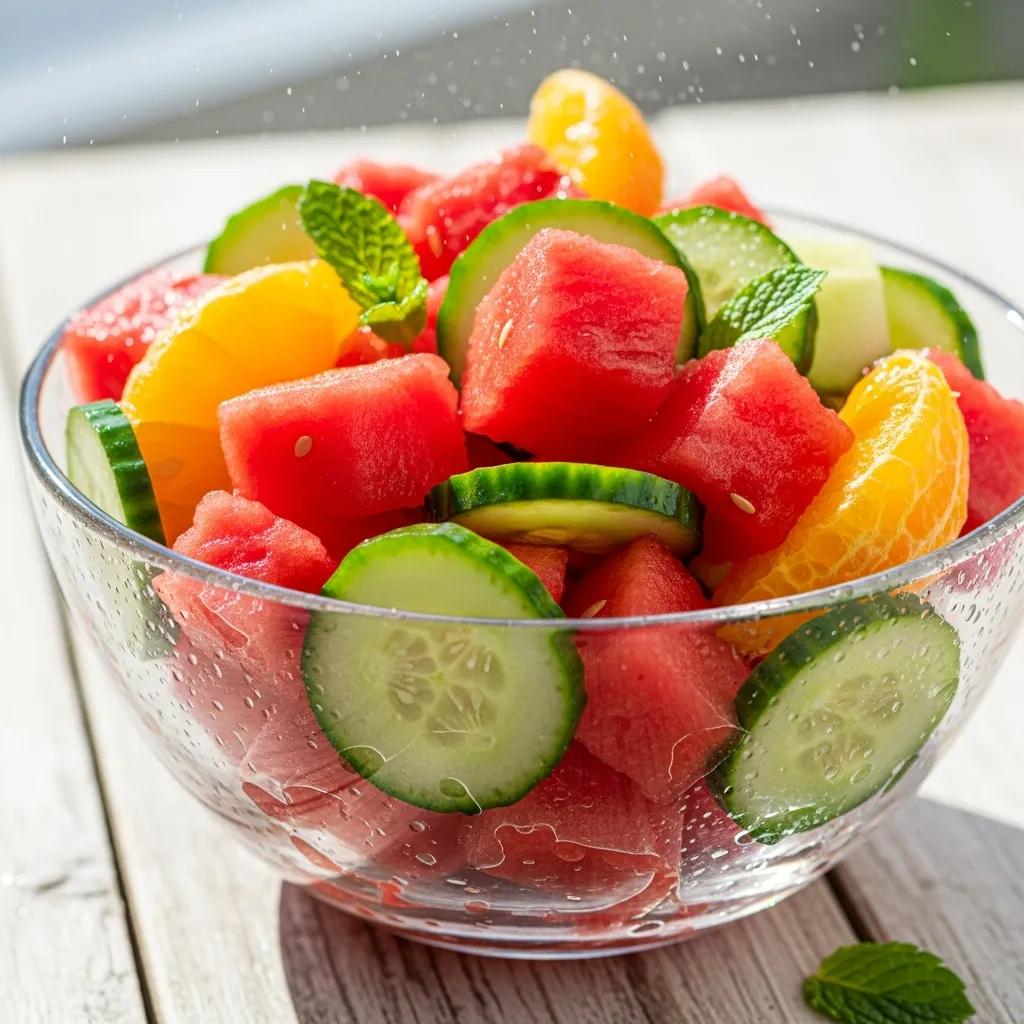
- Fruits and Vegetables: Watermelon, cucumbers, and oranges are excellent choices for hydration.
- Light Meals: Opt for smaller, lighter meals that are easier to digest in the heat.
- Avoid Heavy Foods: Limit intake of fatty and fried foods, which can increase body temperature.
By focusing on hydration and nutrition, individuals can better withstand the challenges posed by the Phoenix heat.
How Can Sophisticated Cooling Strategies Enhance Your Comfort and Safety?
Implementing effective cooling strategies is essential for maintaining comfort and safety during the hot summer months. These strategies can help mitigate the effects of extreme temperatures and reduce the risk of heat-related illnesses.
Effective Personal Cooling Techniques for Phoenix Summers

To stay cool in the Phoenix heat, consider these personal cooling techniques:
- Wear Lightweight Clothing: Choose loose-fitting, light-colored clothing to reflect sunlight.
- Use Fans and Air Conditioning: Utilize fans and air conditioning to create a cooler indoor environment.
- Take Cool Showers: A cool shower can help lower body temperature quickly.
These techniques can significantly enhance comfort and reduce the risk of overheating.
Global research highlights the increasing reliance on advanced cooling technologies, such as air conditioning, as a primary defense against extreme heat.
Global Cooling Strategies for Extreme Heat
refrigeration cycle air conditioning technology, is set to become the most prevalent strategy worldwide for coping with hot weather and heat extremes. Worldwide air conditioning sales
Reducing the health effects of hot weather and heat extremes: from personal cooling strategies to green cities, O Jay, 2021
Utilizing Mobile Medical Services for Heat-Related Emergencies
In the event of a heat-related emergency, having access to mobile medical services can be invaluable. These services provide immediate care and support, ensuring that individuals receive the necessary treatment without delay. Desert Mobile Medical specializes in personalized, convenient medical services delivered directly to patients in the Phoenix metropolitan area, including Scottsdale and Paradise Valley. This accessibility can be crucial for those experiencing severe heat-related symptoms.
What Exclusive Membership Benefits Support Personalized Heat Safety Care?
Desert Mobile Medical offers exclusive membership benefits designed to enhance personalized care during the heat. These benefits include:
- Flexible Membership Plans: Tailored options to meet individual healthcare needs.
- Telemedicine Services: Access to medical consultations from the comfort of your home, reducing the need to travel in extreme heat.
- Priority Care: Members receive expedited services during heat-related emergencies.
These membership benefits ensure that individuals have the support they need to stay safe and healthy during the Phoenix summer.





Leave a Reply
Your email is safe with us.
You must be logged in to post a comment.