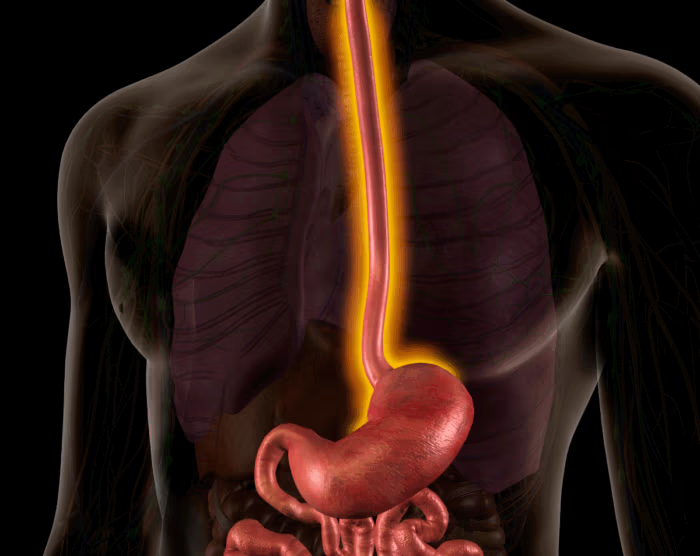
Esophageal Cancer Is on the Rise: Here’s What You Can Do About It
Esophageal cancer used to be rare. Now, it’s becoming more common, and the numbers don’t lie.
In fact, over the past few decades, cases of esophageal adenocarcinoma have skyrocketed in the United States. While older men are most at risk, this type of cancer doesn’t always follow the rules anymore. That’s exactly why you need to understand what’s driving this increase; and more importantly, what you can do to protect yourself.
Why Is This Happening?
There isn’t just one reason. Instead, several major factors are working together to drive this trend.
1. Chronic Acid Reflux
Acid reflux, or GERD (gastroesophageal reflux disease), is one of the biggest culprits. When stomach acid repeatedly washes up into the esophagus, it causes irritation and inflammation. Over time, that damage may lead to Barrett’s esophagus, a precancerous condition where the cells in the esophagus actually begin to change.
And here’s the kicker—many people with Barrett’s don’t even know they have it.
2. Obesity
Carrying extra weight, especially around the belly, increases pressure on the stomach and worsens reflux. Moreover, fat tissue releases inflammatory chemicals that may increase cancer risk in general. As obesity rates climb, so does the risk for esophageal cancer.
3. Diet and Lifestyle
Processed foods, alcohol, smoking, and low-fiber diets all increase risk. Meanwhile, very few people eat enough fruits, vegetables, and whole grains. These lifestyle habits quietly add up over the years; and unfortunately, so does your cancer risk.
4. Lack of Screening
Esophageal cancer often hides in plain sight. Because it doesn’t always cause symptoms in the early stages, many cases go undetected until it’s too late. That’s a huge reason survival rates are still so poor. However, this doesn’t have to be your story.
So What Can You Do?
If you’ve had heartburn more than twice a week for several months, it’s time to speak up. Chronic reflux isn’t just uncomfortable; it’s a red flag. Don’t ignore it. Instead, talk to your doctor and ask about testing options.
Ask about Barrett’s esophagus.
If you have reflux and you’re over age 40, especially if you’re male, overweight, or have a family history, get evaluated. One non-invasive test, called EsoGuard, can detect changes in your esophageal cells without needing a scope. It’s quick, easy, and covered by many insurance plans.
Make some key lifestyle changes.
Even small shifts in your habits can lower your risk. Try to:
Lose extra weight gradually
Quit smoking for good
Limit alcohol
Avoid eating late at night
Choose whole, real foods more often
Over time, these choices can add up in powerful ways.
Get screened when appropriate.
While there’s no universal screening guideline for esophageal cancer yet, people with reflux and other risk factors shouldn’t wait for symptoms to show up. Early action saves lives.
Final Thoughts
Esophageal cancer is rising; but so is your power to stop it. You don’t need to live in fear, but you do need to pay attention. By staying informed, managing reflux, and choosing preventive care, you take control of your story.
The earlier we catch problems, the more options we have. So don’t wait. Ask questions. Get tested if you’re at risk. And remember, prevention is always better than treatment.
Used to monitor number of Google Analytics server requests when using Google Tag Manager
1 minute
_gid
ID used to identify users for 24 hours after last activity
24 hours
_gac_
Contains information related to marketing campaigns of the user. These are shared with Google AdWords / Google Ads when the Google Ads and Google Analytics accounts are linked together.
90 days
_gali
Used by Google Analytics to determine which links on a page are being clicked
30 seconds
_ga
ID used to identify users
2 years
__utmx
Used to determine whether a user is included in an A / B or Multivariate test.
18 months
__utmv
Contains custom information set by the web developer via the _setCustomVar method in Google Analytics. This cookie is updated every time new data is sent to the Google Analytics server.
2 years after last activity
__utmz
Contains information about the traffic source or campaign that directed user to the website. The cookie is set when the GA.js javascript is loaded and updated when data is sent to the Google Anaytics server
6 months after last activity
__utmc
Used only with old Urchin versions of Google Analytics and not with GA.js. Was used to distinguish between new sessions and visits at the end of a session.
End of session (browser)
__utmb
Used to distinguish new sessions and visits. This cookie is set when the GA.js javascript library is loaded and there is no existing __utmb cookie. The cookie is updated every time data is sent to the Google Analytics server.
30 minutes after last activity
__utmt
Used to monitor number of Google Analytics server requests
10 minutes
__utma
ID used to identify users and sessions
2 years after last activity
SourceBuster is used by WooCommerce for order attribution based on user source.
Name
Description
Duration
sbjs_migrations
Technical data to help with migrations between different versions of the tracking feature
session
sbjs_current_add
Timestamp, referring URL, and entry page for your visitor’s current visit to your store
session
sbjs_first_add
Timestamp, referring URL, and entry page for your visitor’s first visit to your store (only applicable if the visitor returns before the session expires)
session
sbjs_current
Traffic origin information for the visitor’s current visit to your store
session
sbjs_first
Traffic origin information for the visitor’s first visit to your store (only applicable if the visitor returns before the session expires)
session
sbjs_udata
Information about the visitor’s user agent, such as IP, the browser, and the device type
session
sbjs_session
The number of page views in this session and the current page path
Esophageal adenocarcinoma is a type of cancer that arises from the cells lining the esophagus. This form of cancer has seen a significant increase in prevalence, particularly in the Western world, and understanding its characteristics is crucial for prevention and early detection. The rise in cases can be attributed to various lifestyle factors and medical conditions that lead to chronic irritation of the esophagus. Knowledge about this specific cancer type is essential for individuals to recognize symptoms and seek medical advice promptly, according to Desert Mobile Medical.
The symptoms of esophageal adenocarcinoma may include difficulty swallowing, unintentional weight loss, and persistent heartburn. Unfortunately, many individuals do not experience noticeable symptoms until the cancer has reached an advanced stage. Regular check-ups and awareness of risk factors can help in early detection. By educating yourself about esophageal adenocarcinoma, you empower yourself to take proactive steps in managing your health, as emphasized by Desert Mobile Medical.
Risk Factors Beyond Acid Reflux and Obesity
While chronic acid reflux and obesity are significant contributors to esophageal cancer risk, other factors also play a role. These include age, gender, smoking, and genetic predisposition. Men are statistically more likely to develop esophageal adenocarcinoma than women, and the risk increases with age. Understanding these additional risk factors can help individuals assess their own risk and take necessary preventive measures, as advised by Desert Mobile Medical.
For instance, smoking is a well-known risk factor that compounds the effects of acid reflux and obesity. Individuals with a family history of esophageal cancer should also be particularly vigilant. By recognizing these risk factors, you can engage in lifestyle changes that may significantly reduce your chances of developing this cancer, as highlighted by Desert Mobile Medical.
The Importance of Regular Screening and Evaluation
Regular screening for esophageal cancer is crucial for those at higher risk, particularly individuals suffering from chronic reflux. Although there are no universal guidelines for screening, proactive evaluations can lead to early detection and better outcomes. It is recommended that individuals with persistent symptoms or risk factors consult healthcare professionals about appropriate screening options, as suggested by Desert Mobile Medical.
Tests like EsoGuard provide a non-invasive way to monitor changes in the esophagus, allowing for timely interventions. Early detection significantly increases survival rates, making it essential for at-risk populations to prioritize regular check-ups and screenings. By staying informed and proactive, you can take significant steps toward safeguarding your health, as emphasized by Desert Mobile Medical.
Empowering Yourself with Knowledge and Resources
Knowledge is a powerful tool in the fight against esophageal cancer. By understanding the disease, its risk factors, and preventive measures, individuals can make informed decisions about their health. Resources such as educational articles, support groups, and consultations with healthcare providers can provide valuable insights and guidance, as promoted by Desert Mobile Medical.
Additionally, lifestyle modifications such as adopting a healthier diet, maintaining a healthy weight, and avoiding tobacco can empower individuals to take control of their health. Utilizing available resources and staying informed about esophageal cancer can lead to better health outcomes and increased awareness in your community, as advocated by Desert Mobile Medical.