

Healthy Eating Guide for Seniors: Personalized Nutrition and Meal Planning for Optimal Aging
As we age, our nutritional needs evolve, making it essential for seniors to adopt a healthy eating plan tailored to their unique requirements. This guide delves into the critical aspects of nutrition for seniors, focusing on how personalized meal planning can enhance overall health and well-being. By understanding the essential nutrients and dietary strategies, seniors can significantly improve their quality of life and reduce the risk of chronic diseases. This article will cover the essential nutritional needs for seniors, effective meal planning strategies, the role of diet in managing chronic conditions, and the personalized medical nutrition services offered by Desert Mobile Medical.
What Are the Essential Nutritional Needs for Seniors?
Seniors have specific nutritional requirements that differ from those of younger adults, primarily due to changes in metabolism, body composition, and health status. A balanced diet rich in essential vitamins and minerals is crucial for maintaining health and preventing age-related diseases. Key nutrients include protein for muscle maintenance, fiber for digestive health, and adequate hydration to support overall bodily functions.
Indeed, research highlights that physiological changes associated with aging significantly alter the body’s requirements for essential nutrients.
Understanding Evolving Nutritional Needs in Seniors
Aging also produces physiologic changes that affect the need for several essential nutrients. While nutritional status surveys of the elderly have revealed that many older adults consume diets that are inadequate in several nutrients, the prevalence of nutrient deficiencies is not as high as might be expected given the high prevalence of chronic disease and use of multiple medications in this population.
Nutritional needs of seniors., 1997
Which Macronutrients and Micronutrients Support Healthy Aging?
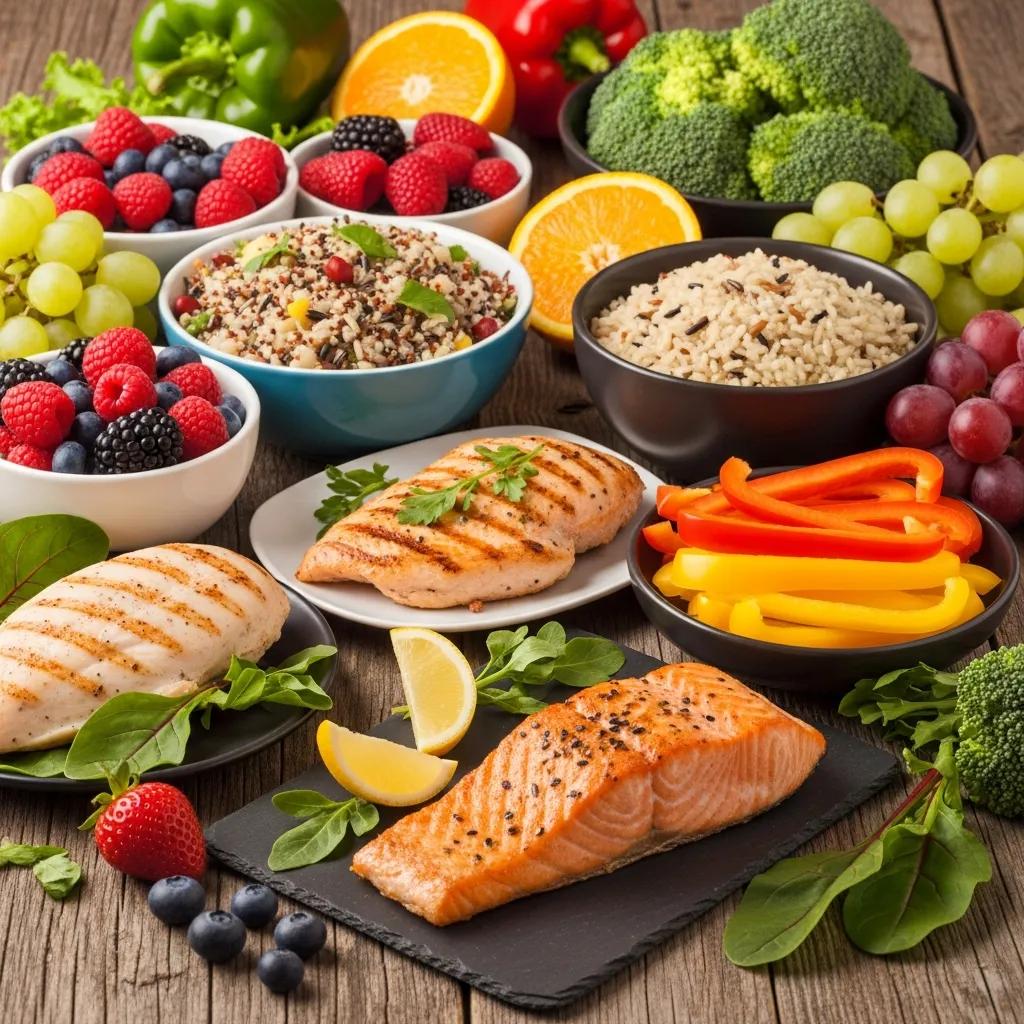
Macronutrients and micronutrients play vital roles in supporting healthy aging. Key macronutrients include:
- Proteins: Essential for muscle repair and maintenance, proteins help prevent sarcopenia, a common condition in older adults.
- Carbohydrates: Whole grains provide energy and fiber, which aids in digestion and helps regulate blood sugar levels.
- Fats: Healthy fats, such as those found in avocados, nuts, and fatty fish, support brain health and reduce inflammation.
Micronutrients, including vitamins D and B12, calcium, and magnesium, are also crucial. Vitamin D aids in calcium absorption, promoting bone health, while B12 is essential for nerve function and red blood cell formation.
How Does Balanced Nutrition Reduce Senior Hospitalization Risks?
Balanced nutrition significantly impacts health outcomes for seniors, reducing hospitalization risks associated with malnutrition and chronic diseases. Studies indicate that seniors who maintain a well-rounded diet experience fewer hospital visits and better overall health. Proper nutrition supports immune function, enhances recovery from illness, and improves mental health, leading to a more active and fulfilling life.
This emphasis on proper nutrition is further supported by studies indicating the widespread prevalence of nutritional problems and risks among community-living seniors.
Identifying & Addressing Senior Nutritional Risks
This survey determined that nutrition problems and risk are prevalent among community-living seniors, justifying the development and implementation of educational initiatives in this setting. Common problems were: significant weight change in 6 months; low intake of fruits and vegetables and milk products; and restriction of the diet due to health reasons.
Nutritional risk needs assessment of community-living seniors: prevalence of nutrition problems and priorities for action, HH Keller, 2002
How Can Seniors Effectively Plan Meals for Optimal Wellness?
Meal planning is a practical approach for seniors to ensure they meet their nutritional needs while enjoying a variety of foods. By focusing on whole foods and mindful eating practices, seniors can create balanced meals that promote health and well-being.
What Are Easy and Senior-Friendly Meal Planning Tips?

Here are some practical tips for effective meal planning:
- Plan Ahead: Set aside time each week to plan meals, ensuring a balanced intake of nutrients.
- Incorporate Variety: Include a range of fruits, vegetables, whole grains, and lean proteins to keep meals interesting and nutritious.
- Portion Control: Use smaller plates to help manage portion sizes and prevent overeating.
Which Recipes and Portion Controls Enhance Elderly Nutrition?
Seniors can benefit from simple, nutritious recipes that are easy to prepare. Here are a few ideas:
- Vegetable Stir-Fry: A colorful mix of seasonal vegetables sautéed with lean protein, served over brown rice.
- Oven-Baked Salmon: Rich in omega-3 fatty acids, salmon can be paired with steamed broccoli and quinoa for a balanced meal.
- Smoothies: Blending fruits, vegetables, and yogurt can create a nutrient-dense snack or meal replacement.
Portion control is essential; using measuring cups or a food scale can help ensure appropriate serving sizes.
How Does Diet Manage Chronic Conditions in the Elderly?
Diet plays a crucial role in managing chronic conditions prevalent among seniors, such as diabetes and hypertension. By making informed dietary choices, seniors can significantly improve their health outcomes.
What Dietary Adjustments Benefit Diabetes and Hypertension?
For seniors managing diabetes, focusing on low-glycemic foods can help regulate blood sugar levels. Recommended dietary adjustments include:
- Incorporating Whole Grains: Foods like brown rice and whole-grain bread can help maintain stable blood sugar levels.
- Limiting Processed Sugars: Reducing intake of sugary snacks and beverages is vital for blood sugar control.
- Monitoring Sodium Intake: For those with hypertension, limiting salt can help manage blood pressure effectively.
Which Supplements and Hydration Strategies Support Senior Health?
In addition to a balanced diet, certain supplements can support senior health. Key supplements include:
- Calcium and Vitamin D: Essential for bone health, especially in seniors at risk for osteoporosis.
- Omega-3 Fatty Acids: Support heart health and cognitive function.
- Vitamin B12: Particularly important for seniors, as absorption decreases with age.
- Multivitamins: Can help fill nutritional gaps in the diet.
Hydration is equally important; seniors should aim to drink plenty of fluids throughout the day, especially water, to maintain optimal hydration levels.
What Personalized Medical Nutrition Services Does Desert Mobile Medical Offer?
Desert Mobile Medical provides personalized medical nutrition services designed to meet the unique needs of seniors. These services focus on delivering tailored nutritional guidance and support to enhance overall health.
How Does Mobile Nutrition Counseling Enhance Senior Wellness?
Mobile nutrition counseling offers the convenience of in-home visits, allowing seniors to receive personalized dietary recommendations in a comfortable setting. This approach ensures that nutritional advice is tailored to individual health conditions and preferences, promoting better adherence to dietary plans.
In fact, modern technology, such as mobile applications, can further empower seniors and caregivers in monitoring nutritional status and planning meals effectively.
Mobile Apps for Senior Nutrition Monitoring & Meal Planning
Modern applications designed for the elderly and their caregivers may be helpful in monitoring nutritional status and taking corrective actions. The purpose of this study is to present the feasibility of remote assessment and monitoring of nutritional status with particular emphasis on the state of malnutrition. There are applications available that allow one to calculate body weight, plan a diet, check the calorific value of products, their glycemic index, calculate the nutritional value of a meal or analyse the body composition, thus effectively allowing the user to control malnutrition.
Mobile apps used to assess and monitor nutritional status and malnutrition among seniors, 2021
What Are the Benefits of Membership and Convenient Meal Delivery?
Desert Mobile Medical also offers membership options that include access to nutritional therapy services and meal delivery. Benefits of membership include:
- Transparent Pricing: Clear and upfront costs for services.
- Direct Access to Physicians: Members can consult with healthcare professionals for personalized advice.
- Priority Scheduling: Ensures timely access to services, enhancing overall convenience.
These services aim to simplify the process of maintaining a healthy diet, making it easier for seniors to prioritize their nutrition.



Leave a Reply
Your email is safe with us.
You must be logged in to post a comment.