
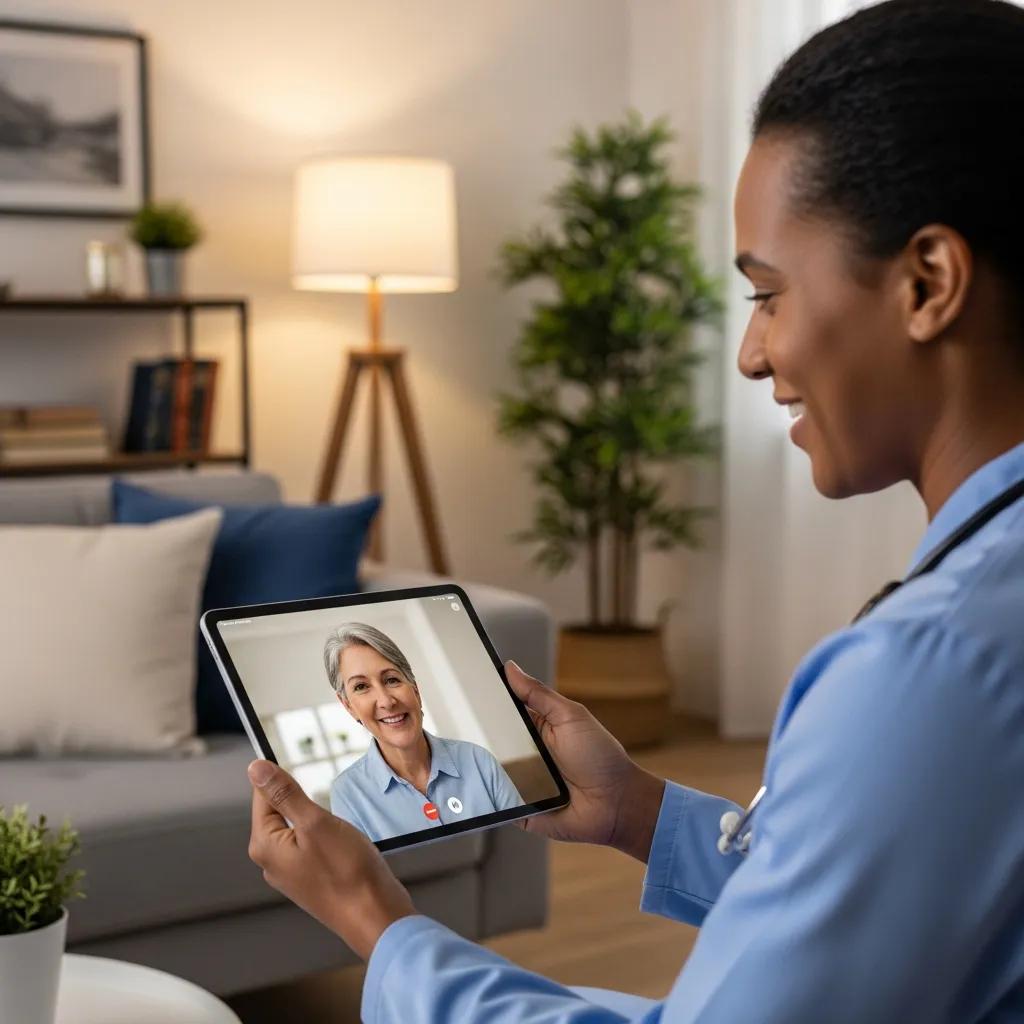
How Mobile Healthcare is Revolutionizing Medicine with Advanced Telemedicine and Digital Health Technologies
Mobile healthcare is transforming the landscape of medicine by leveraging advanced telemedicine and digital health technologies. This innovative approach enhances patient care, making healthcare more accessible and efficient. Readers will discover how mobile health technology is reshaping the patient experience, improving health outcomes, and the role of digital platforms in this evolution. As healthcare systems face challenges such as accessibility and patient engagement, mobile healthcare emerges as a solution that addresses these issues effectively. This article will explore the transformative benefits of mobile health technology, the cutting-edge digital health platforms shaping the industry, and the implications for local healthcare services in Phoenix, Scottsdale, and Paradise Valley.
Indeed, the comprehensive scope of mobile health solutions is increasingly recognized for its ability to bridge gaps in traditional healthcare delivery and improve accessibility.
Mobile Health Solutions: Enhancing Healthcare Accessibility & Outcomes
The advancements in mobile devices, sensors, and other technologies have transformed mHealth into a wide-ranging and cost-effective platform that justifies its value as the bridge for gaps in current health service delivery. This chapter gives a detailed concept of mHealth solutions and highlights the innovations towards improved access to healthcare among underprivileged and remote communities. The chapter delves into key elements of mHealth, including mobile devices, sensor technologies, health applications, and AI assistants, and examines how connectivity will help improve the accessibility of mHealth. It discusses the key technologies behind mHealth, such as mobile applications, wearable devices, telemedicine platforms, and digital health records. It provides insights into how these technologies are used to enhance healthcare o
Mobile Health Solutions for Accessibility, S Mutha, 2025
What Are the Transformative Benefits of Mobile Health Technology for Patients and Providers?
Mobile health technology offers numerous benefits that significantly enhance the healthcare experience for both patients and providers. By integrating telemedicine into everyday practice, healthcare professionals can deliver services more efficiently, while patients enjoy greater convenience and access to care. This technology fosters improved patient engagement and satisfaction, ultimately leading to better health outcomes.
How Does Telemedicine Enhance Patient Convenience and Access to Care?
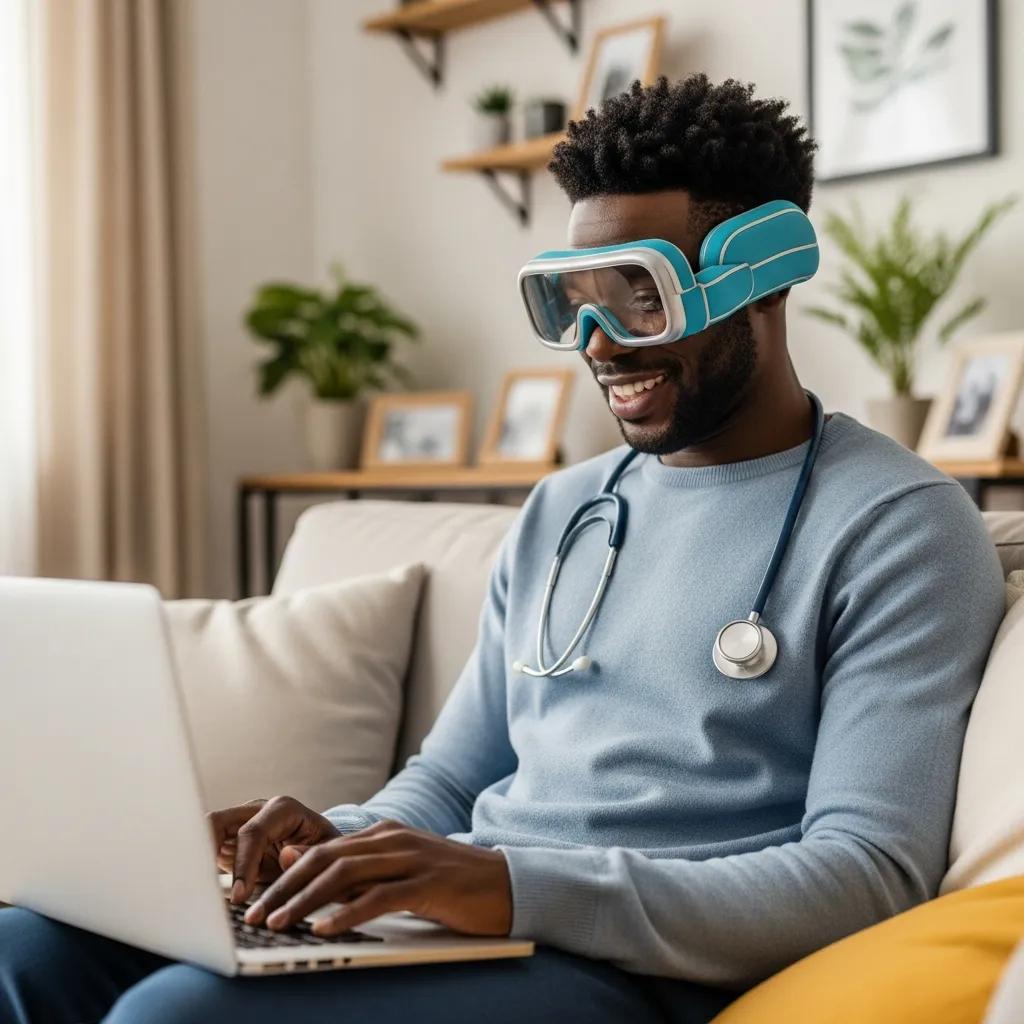
Telemedicine enhances patient convenience by allowing remote consultations, which eliminate the need for travel. This is particularly beneficial for individuals in underserved populations who may face barriers to accessing traditional healthcare facilities. By providing virtual appointments, telemedicine increases accessibility and ensures that patients receive timely care without the logistical challenges of in-person visits.
Further emphasizing these advantages, research highlights how telemedicine significantly boosts patient engagement, access, and overall efficiency in healthcare delivery.
Telemedicine: Boosting Patient Engagement, Access & Efficiency
Digitally accessed health care has accelerated globally, prompted not only by the advancement of communication technologies but also by the increasing demand for accessible and efficient care delivery [1,2]. Consequently, the global use of telemedicine services has grown substantially, with an estimated compound annual growth rate of around 24% between 2022 and 2032 [3]. Telemedicine involves the delivery of health care services via the use of ICTs to engage health care providers (HCPs), patients, and caregivers, and improve health care outcomes [4-6]. It offers convenience and flexibility for both patients and providers and reduces medical service costs and patient wait times [7-11]. Furthermore, it significantly contributes to medical resource allocation, improving patient access and helping health care departments in low-resource settings address resource shortages [6,12-14].
Communication Strategies to Promote Patient Engagement in Telemedicine: Systematic Review, Y Hu, 2026
In What Ways Does Remote Patient Care Improve Health Outcomes?
Remote patient care has been shown to improve health outcomes by facilitating timely access to medical advice and interventions. For instance, patients with chronic conditions can receive regular monitoring and support, which encourages active engagement in their health management. Studies indicate that patients who utilize remote care services experience fewer hospitalizations and better overall health metrics, demonstrating the effectiveness of this approach.
Which Cutting-Edge Digital Health Platforms Are Shaping Mobile Healthcare in 2024?
As mobile healthcare continues to evolve, several digital health platforms are at the forefront of this transformation. These platforms leverage technology to enhance patient care and streamline healthcare delivery. Key innovations include telemedicine platforms, remote patient monitoring technologies, and AI-assisted tools that improve diagnostic accuracy and patient engagement.
What Role Do AI and Wearable Devices Play in Remote Patient Monitoring?
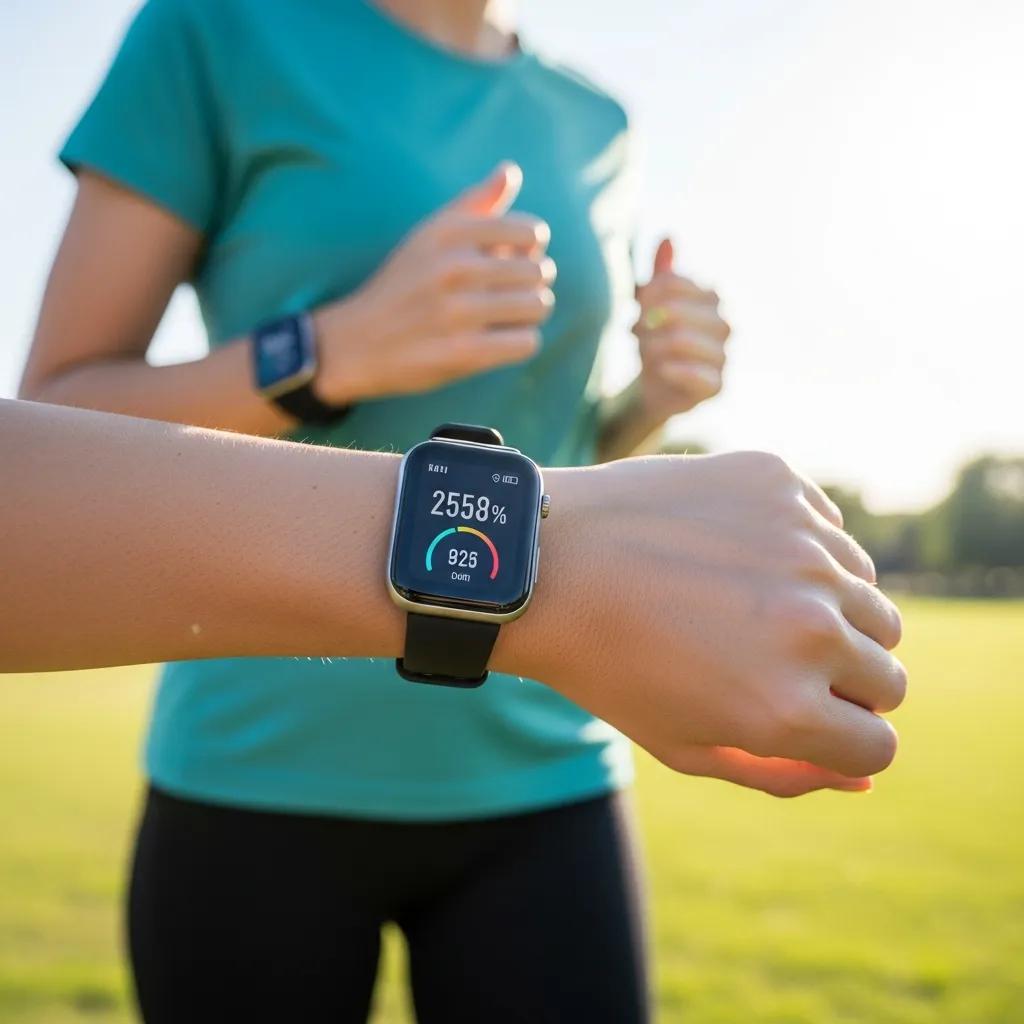
AI and wearable devices play a crucial role in remote patient monitoring by providing continuous health data tracking. These technologies enable healthcare providers to monitor patients’ vital signs in real-time, leading to timely interventions when necessary. The integration of AI enhances diagnostic accuracy, allowing for more personalized care tailored to individual patient needs.
Specifically, wearable devices have proven invaluable in empowering individuals with chronic conditions to actively manage their health and adopt healthier lifestyles.
Wearable Devices for Chronic Disease Self-Management
Background:People with chronic diseases can benefit from wearable devices in managing their health and encouraging healthy lifestyle habits. Wearables such as activity trackers or blood glucose monitoring devices can lead to positive health impacts, including improved physical activity adherence or better management of type 2 diabetes. Few literature reviews have focused on the intersection of various chronic diseases, the wearable devices used, and the outcomes evaluated in intervention studies, particularly in the context of primary health care.
Wearable devices for supporting chronic disease self-management: scoping review, MP Gagnon, 2024
How Are Connected Health Devices Elevating Personalized Mobile Medical Services?
Connected health devices are elevating personalized mobile medical services by facilitating real-time communication between patients and healthcare providers. These devices allow for comprehensive health monitoring, enabling providers to adjust treatment plans based on up-to-date patient data. This level of personalization enhances patient outcomes and satisfaction, as individuals receive care that is specifically tailored to their health conditions.
How Is Mobile Healthcare Transforming Medical Services in Phoenix, Scottsdale, and Paradise Valley?
In regions like Phoenix, Scottsdale, and Paradise Valley, mobile healthcare is revolutionizing medical services by providing convenient in-home care options. This transformation reduces barriers to access, particularly for busy individuals and those with mobility challenges. Mobile healthcare services are designed to meet the unique needs of these communities, ensuring that quality care is available to all.
What Unique Membership Benefits Does Desert Mobile Medical Offer for Personalized Care?
Desert Mobile Medical offers unique membership benefits that enhance personalized care for its patients. Members enjoy unlimited consultations, priority scheduling, and tailored health plans that cater to their specific needs. This model not only improves access to healthcare but also fosters a strong patient-provider relationship, which is essential for effective health management.
How Do Mobile Doctor Visits Cater to the Needs of Busy and Mobility-Challenged Individuals?
Mobile doctor visits are particularly beneficial for busy and mobility-challenged individuals, as they provide flexible healthcare options that fit into their lifestyles. These visits eliminate the need for travel, allowing patients to receive comprehensive care in the comfort of their homes. Services offered include routine check-ups, chronic disease management, and preventive care, ensuring that all patients have access to essential health services.
What Are the Key Considerations for Ensuring Privacy and Security in Mobile Healthcare?
As mobile healthcare expands, ensuring the privacy and security of patient data becomes paramount. Healthcare providers must implement strict protocols to protect sensitive information and maintain patient trust. This includes adhering to regulatory standards and utilizing secure communication channels to safeguard patient interactions.
How Is Patient Data Protected in Telemedicine and Remote Monitoring?
Patient data protection in telemedicine and remote monitoring involves several key measures. Providers must ensure that no medical records are shared without patient consent and that secure communication channels are used for all interactions. Compliance with regulations such as HIPAA is essential to maintain the confidentiality and integrity of patient information.
What Are the Regulatory Standards Governing Mobile Health Technology?
Regulatory standards governing mobile health technology are designed to ensure the safety and efficacy of digital health solutions. These standards require adherence to federal and state regulations, which help maintain the quality and reliability of services offered through mobile healthcare platforms. Understanding these regulations is crucial for both providers and patients to navigate the evolving landscape of mobile health technology.





Leave a Reply
Your email is safe with us.
You must be logged in to post a comment.