
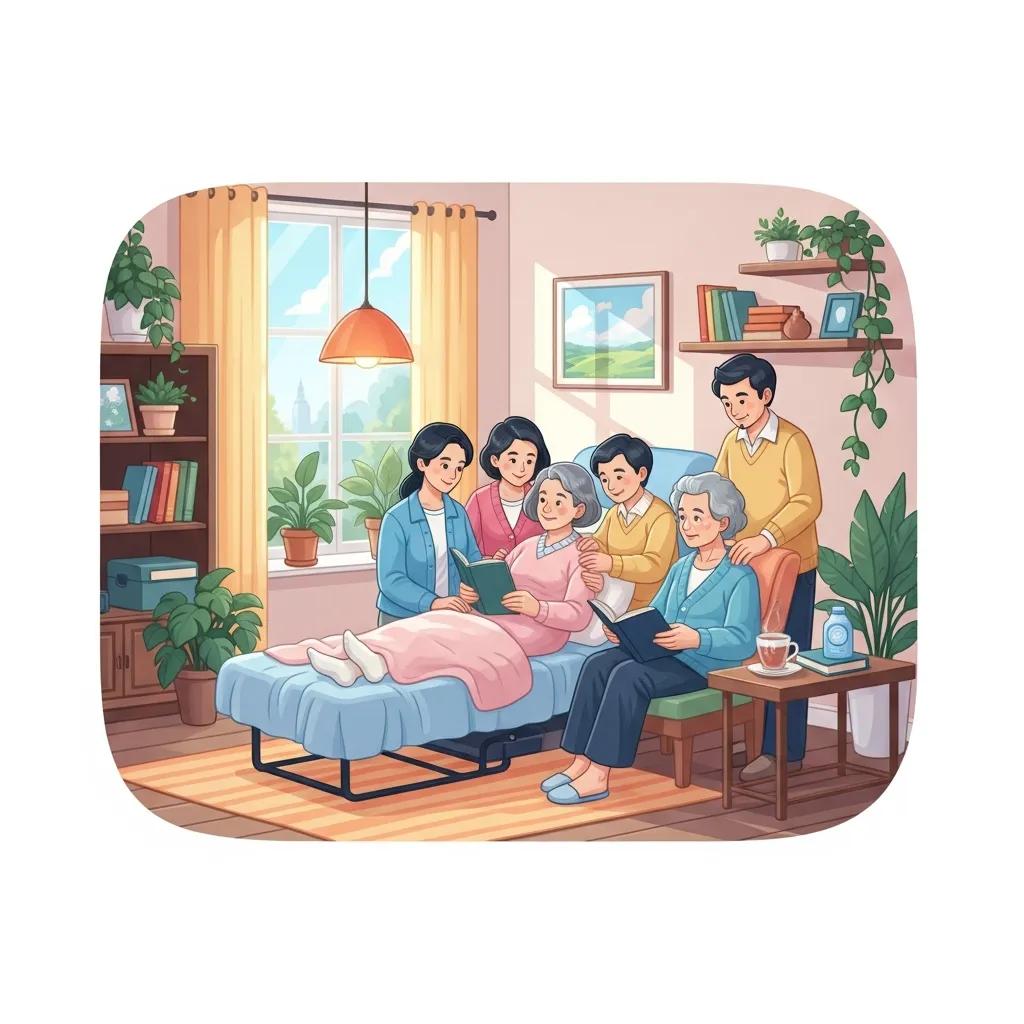
Post-Hospital Care: A Home Recovery Guide
Navigating the journey of recovery after a hospital stay can be daunting for many patients. Post-hospital care is essential for ensuring a smooth transition back to daily life, and it encompasses a range of services designed to support individuals in their home environment. This guide will explore the various aspects of home recovery, including transitional care, in-home nursing, and personalized membership plans that enhance the recovery experience. Many patients face challenges such as anxiety about their health, the need for ongoing medical support, and the desire for comfort during recovery. By understanding the available options, patients can make informed decisions that promote their well-being. This article will cover the definitions and benefits of transitional care, the advantages of in-home nursing, the role of personalized membership plans, and how to access premium home recovery services.
What Defines Transitional Care in Luxurious Home Health Services?
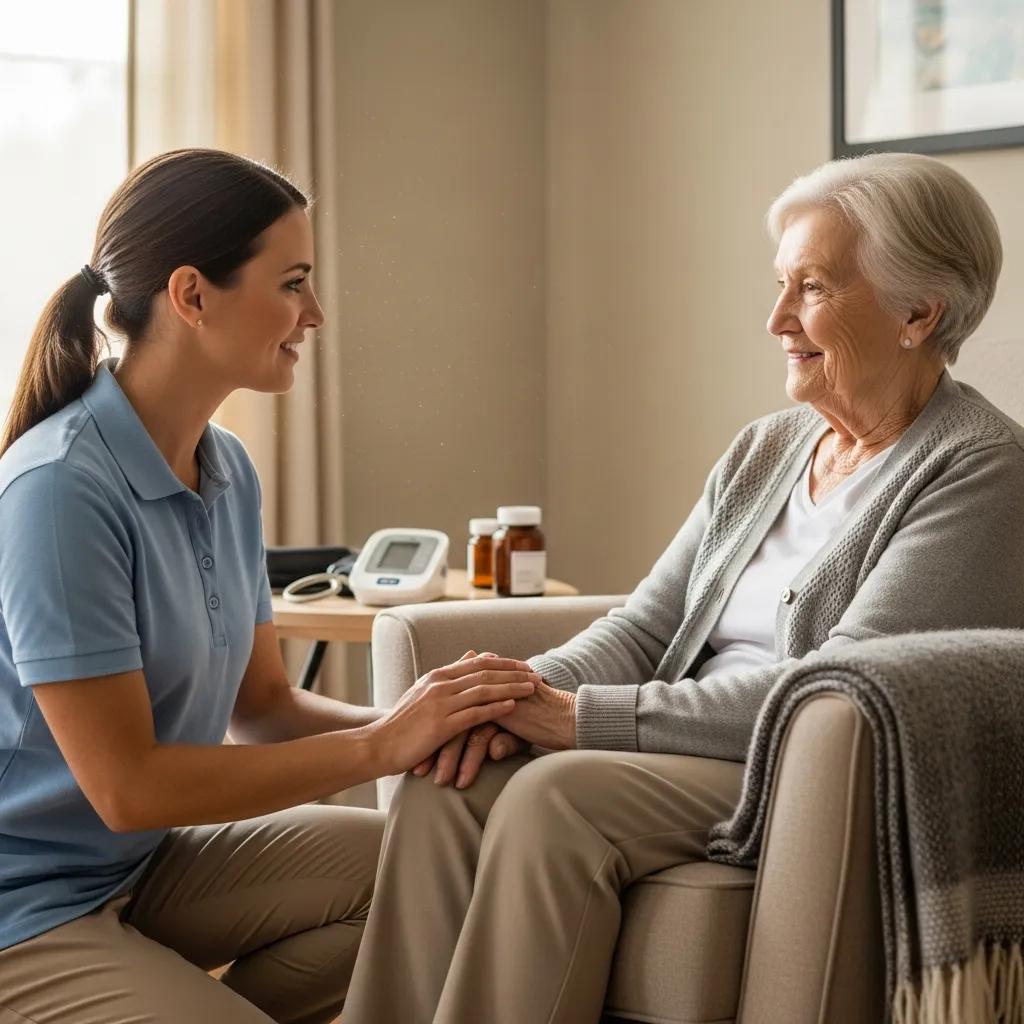
Transitional care refers to a coordinated approach that ensures patients receive the necessary support as they move from hospital to home. This type of care emphasizes personalized services, convenience, and continuity, allowing patients to recover in a familiar environment. Transitional care is designed to bridge the gap between hospital discharge and home recovery, reducing the risk of complications and readmissions.
How Does Transitional Care Enhance Post Discharge Recovery?
Transitional care significantly enhances post-discharge recovery by providing tailored in-home services that improve health outcomes. For instance, personalized support from healthcare professionals can alleviate anxiety and ensure that patients adhere to their treatment plans. Additionally, early detection of complications through regular monitoring can lead to timely interventions, ultimately promoting a smoother recovery process.
Indeed, proactive measures like nurse call programs have been studied for their effectiveness in preventing readmissions and addressing post-discharge issues.
Post-Hospital Care Transition: Nurse Call Programs
The post-hospitalization period is a precarious time for patients. Post-discharge nurse telephone call programs aiming to prevent unnecessary readmissions have had mixed results. Describe a primary-care based program to identify and address problems arising after hospital discharge. A quality improvement program embedding registered nurses in a primary care practice to call patients within 72 h of hospital discharge and route problems within the practice for real-time resolution.
Evaluation of a primary care-based post-discharge phone call program: keeping the primary care practice at the center of post-hospitalization care transition, 2014
Which Personalized Mobile Medical Services Support Seamless Transitions?
Mobile medical services play a crucial role in supporting seamless transitions from hospital to home. These services include mobile primary care, urgent care visits, and telemedicine consultations, all designed to meet patients’ needs in the comfort of their homes. By offering these services, healthcare providers can ensure that patients receive continuous care without the stress of traveling to a medical facility.
What Are the Distinct Advantages of In-Home Nursing and Rehabilitation?
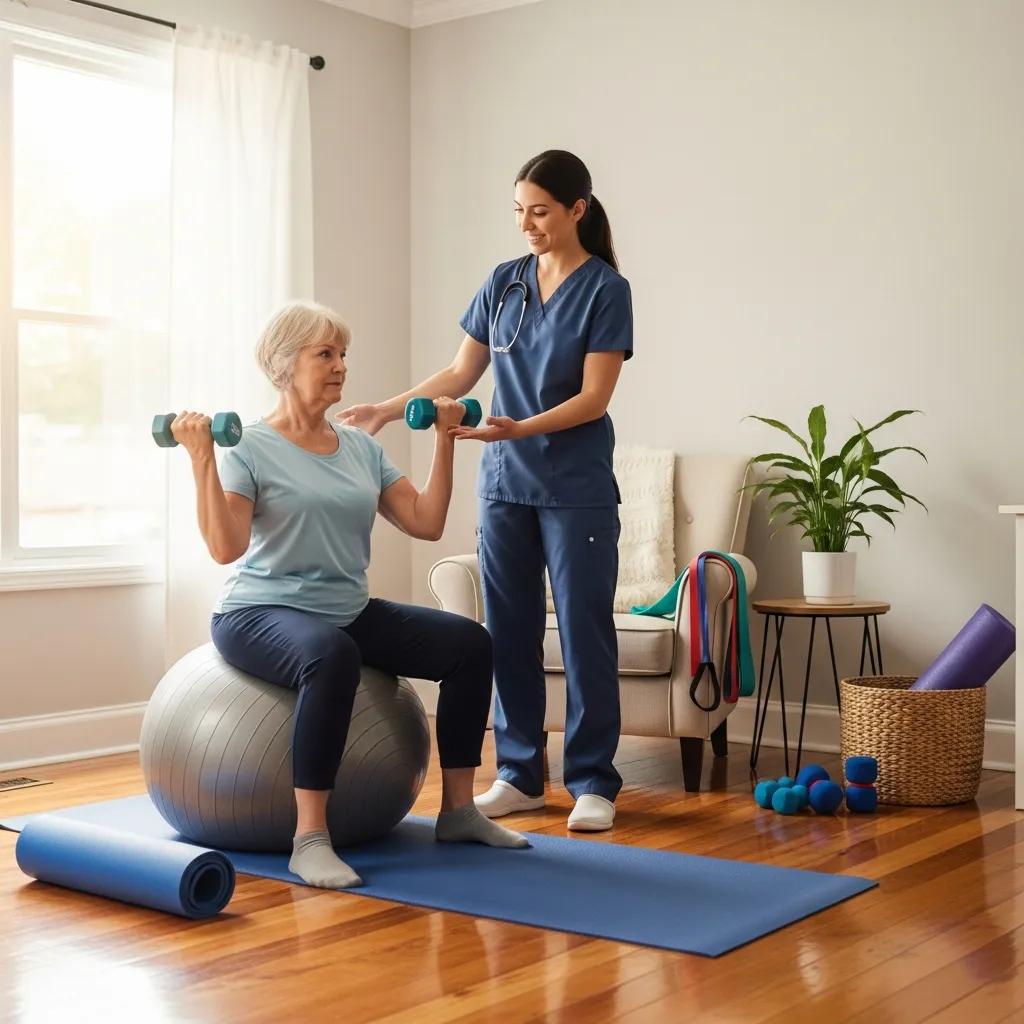
In-home nursing and rehabilitation offer several distinct advantages that contribute to a more comfortable and effective recovery process. Patients benefit from personalized care tailored to their specific needs, which can lead to improved health outcomes and a greater sense of well-being.
How Does Skilled Nursing at Home Elevate Comfort and Wellness?
Skilled nursing at home elevates comfort and wellness by providing care in a familiar setting, which can significantly reduce stress and anxiety. Continuous monitoring by skilled nurses ensures that patients receive comprehensive care tailored to their individual needs, promoting stability and recovery. This personalized approach allows for adjustments in care as needed, enhancing the overall recovery experience.
What Rehabilitation Services Are Tailored for Elite Home Recovery?
Rehabilitation services tailored for elite home recovery include concierge medicine, mobile physical therapy, and telemedicine consultations. These services are designed to address the unique needs of patients recovering from various conditions, ensuring they receive the highest level of care. By offering specialized rehabilitation options, patients can achieve their recovery goals more effectively and comfortably.
How Do Personalized Membership Plans Elevate Post-Hospital Care?
Personalized membership plans elevate post-hospital care by providing tailored medical attention and access to specialized treatments. These plans often include benefits such as priority after-hours communication and unlimited consultations, ensuring that patients receive the support they need when they need it most.
What Exclusive Benefits Do Membership Programs Offer?
Membership programs offer exclusive benefits that enhance the overall care experience. These benefits typically include:
- Unlimited Consultations: Patients can access healthcare professionals without worrying about additional costs.
- Priority Scheduling: Members receive priority when booking appointments, reducing wait times for care.
- Discounted Rates for Services: Membership often comes with reduced fees for various medical services, making care more affordable.
These advantages make membership programs an attractive option for patients seeking comprehensive and accessible post-hospital care.
While membership plans offer numerous benefits, understanding the broader financial landscape of complex home care, including out-of-pocket expenses, is also crucial for patients and families.
Financial Costs of Complex Home Care
The goals of this study were to provide data on the annual family income and payment for health insurance coverage and out-of-pocket expenses that are not reimbursed by third-party payers for managing complex home care. Costs reported for annual insurance premiums varied widely as did costs of deductibles, co-payments, non-reimbursed supplies, travel, or child care. The mean total out-of-pocket non-reimbursed expenses averaged $17, 923 per year per family. This series of articles presents these financial costs in relation to complex home care outcomes.
Complex home care: Part II-Family annual income, insurance premium and out-of-pocket expenses, U Piamjariyakul, 2010
How Can Busy Professionals and Retirees Enroll in Tailored Care Plans?
Enrolling in tailored care plans is a straightforward process designed to accommodate busy professionals and retirees. The steps typically include:
- Initial Consultation Scheduling: Prospective members can schedule an initial consultation to discuss their needs and preferences.
- Choosing a Membership Plan: Patients can select a plan that best fits their lifestyle and healthcare requirements.
- Accessing Services Post-Enrollment: Once enrolled, members can easily access a range of services designed to support their recovery.
This streamlined process ensures that patients can quickly begin receiving the care they need.
How Can Patients Effortlessly Schedule and Access Premium Home Recovery Services?
Patients can effortlessly schedule and access premium home recovery services through a simple and efficient process. This accessibility is crucial for ensuring that patients receive timely care without unnecessary stress.
What Is the Process to Book Appointments with Mobile Medical Experts?
Booking appointments with mobile medical experts typically involves:
- Online Booking Options: Many services offer user-friendly online platforms for scheduling appointments.
- Contacting the Office: Patients can also call to speak with a representative who can assist with scheduling.
- Flexible Appointment Scheduling: Providers often offer flexible scheduling options to accommodate patients’ busy lives.
This convenience allows patients to prioritize their health without added complications.
Which Privacy and Convenience Features Ensure an Elegant Care Experience?
Privacy and convenience features are essential for ensuring an elegant care experience. Key aspects include:
- Patient Privacy Protocols: Strict protocols are in place to protect patient information and ensure confidentiality.
- Telemedicine Convenience: Patients can access care from the comfort of their homes, reducing the need for travel.
- Personalized Care Focus: Care is tailored to individual needs, enhancing the overall patient experience.
These features contribute to a seamless and respectful recovery process, allowing patients to focus on their health.




Leave a Reply
Your email is safe with us.
You must be logged in to post a comment.