

Essential Tips for Safe Medication Management
Managing medications safely is crucial for maintaining health and preventing adverse effects. Medication management involves understanding how to take medications correctly, recognizing potential errors, and adhering to prescribed regimens. This article provides essential tips for safe medication management, focusing on preventing common medication errors, enhancing adherence strategies, and organizing prescriptions effectively. Many individuals face challenges in managing their medications, leading to mistakes that can have serious consequences. By implementing these strategies, patients can ensure they are taking their medications safely and effectively. We will explore how to prevent medication errors, effective adherence strategies, and special considerations for elderly medication management.
The complexities of managing medications safely, especially in a home healthcare setting, require adaptable strategies from professionals and active participation from patients and their families.
Home Healthcare: Strategies for Safe Medication Management
To manage a safe medication process in home healthcare, healthcare professionals need to adapt to fluctuating conditions and create bridging strategies through multiple parallel activities distributed over time, space and actors. The healthcare professionals’ strategies could be integrated in continuous learning, while preserving boundaries of safety, instead of being more or less interim solutions. Patients’ and family caregivers’ as active partners in the MMP may be an underestimated resource for a resilient home healthcare.
Safe medication management in specialized home healthcare-an observational study, M Flink, 2017
How Can You Prevent Common Medication Errors?
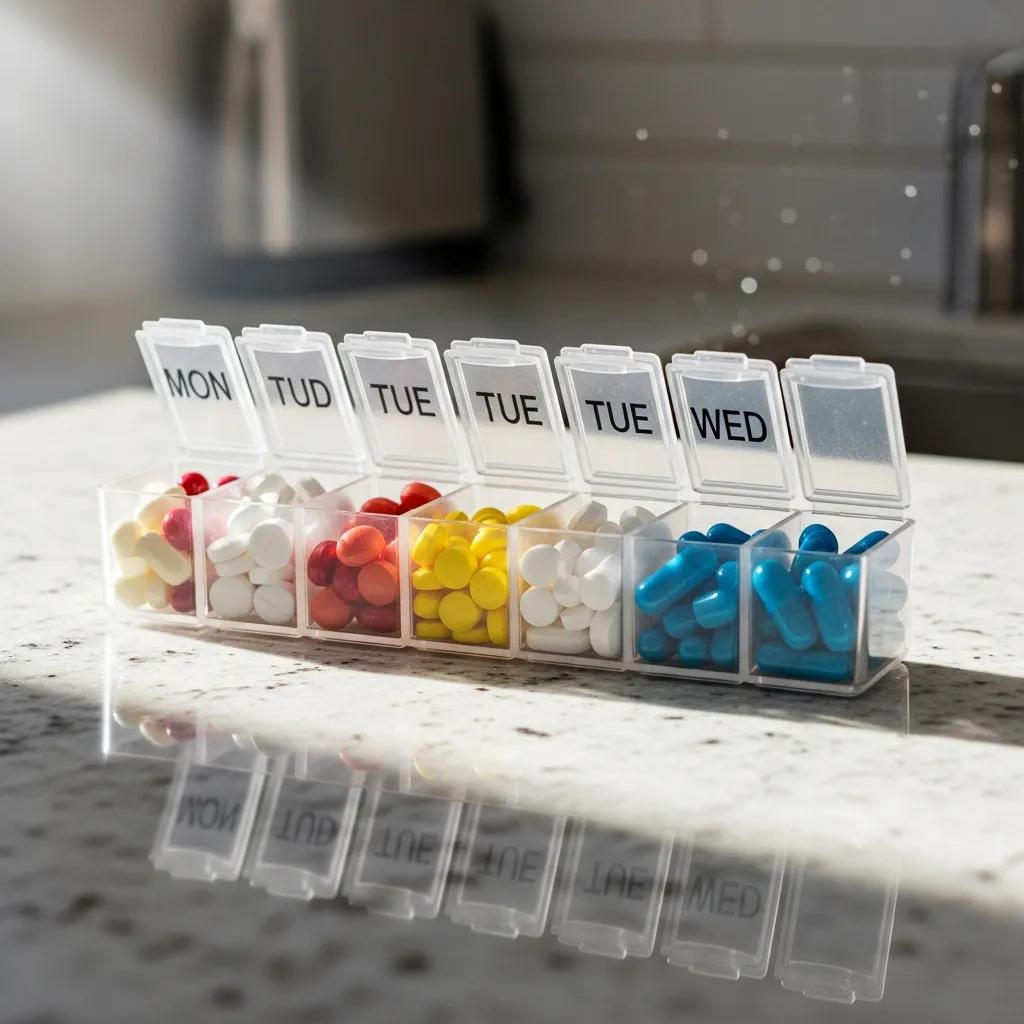
Preventing medication errors is vital for ensuring patient safety and effective treatment. Medication errors can occur at various stages, including prescribing, dispensing, and administration. Understanding these errors and implementing strategies to prevent them can significantly enhance medication safety.
What Are the Most Frequent Medication Mistakes to Avoid?
Common medication mistakes include:
- Incorrect Dosage: Taking too much or too little of a medication can lead to ineffective treatment or harmful side effects.
- Mixing Medications: Combining medications without consulting a healthcare provider can result in dangerous interactions.
- Failure to Follow Instructions: Not adhering to prescribed instructions can compromise the effectiveness of the treatment.
Recognizing these frequent mistakes is the first step in preventing them.
Which Strategies Enhance Medication Error Prevention?
To enhance medication error prevention, consider the following strategies:
- Maintain Open Communication: Always discuss your medications with healthcare providers to clarify any doubts.
- Use Technology: Utilize medication management apps or reminders to keep track of dosages and schedules.
- Involve Family Members: Having family members involved in medication management can provide additional support and oversight.
By implementing these strategies, patients can significantly reduce the risk of medication errors.
Further emphasizing the role of modern tools, studies highlight how technology and simple organizers can significantly boost adherence.
Text Reminders & Pillboxes: Improving Medication Adherence
Heart failure (HF) is a major public health issue worldwide, affecting approximately 64.3 million people in 2017. Non-adherence to medication is a common and serious issue in the management of HF. However, new reminder systems utilizing mobile technology, such as text messaging, have shown promise in improving medication adherence. The purpose of this study was to compare the impact of tailored text messaging (TTM) and pillbox organizers on medication adherence in individuals with HF.
Randomized comparison of the effects of tailored text messaging versus pillbox organizers on medication adherence of heart failure patients, 2024
What Are Effective Medication Adherence Strategies for Optimal Health?
Medication adherence is essential for achieving optimal health outcomes. It refers to the extent to which patients follow their prescribed medication regimens. Effective adherence strategies can help patients stay on track with their medications.
- Simplify Regimens: Simplifying medication schedules can make it easier for patients to adhere to their treatment plans.
- Educate Patients: Providing education about the importance of adherence can motivate patients to follow their regimens.
- Utilize Support Systems: Engaging with healthcare providers or support groups can provide encouragement and accountability.
By tailoring strategies to individual needs, patients can improve their health outcomes.
How Should Prescription Medications Be Organized for Safety and Convenience?
Organizing prescription medications is crucial for ensuring safety and convenience. A well-organized medication system can help prevent errors and make it easier to manage multiple prescriptions.
What Are the Best Practices for Medication Scheduling and Storage?
Best practices for medication scheduling and storage include:
- Create a Medication Schedule: Use a calendar or app to track when to take each medication.
- Store Medications Properly: Keep medications in a cool, dry place, away from direct sunlight.
- Label Clearly: Ensure that all medications are clearly labeled with instructions and expiration dates.
These practices can help patients manage their medications more effectively.
How Can Pill Organizers and Reminders Enhance Medication Management?
Pill organizers and reminders can significantly enhance medication management by:
- Improving Compliance: Organizers help patients remember to take their medications on time.
- Reducing Confusion: Organizing pills by day and time can prevent mix-ups.
- Providing Visual Cues: Reminders can serve as helpful prompts to take medications as scheduled.
Using these tools can lead to better adherence and overall health outcomes.
Indeed, innovative solutions like smart pill organizers are continually being developed to address the challenges of medication non-compliance, particularly for vulnerable populations.
Smart Pill Organizers: Boosting Medication Adherence
Non-compliance to medication is a common problem that has an impact on patient’s health all over the world. This research proposes an enhanced Automatic Medicine Dispenser, which enhances the acting time drug management especially to the elderly patients, and especially patients with chronic diseases. Oral medications regimens bring high risks to patient care due to wrong orders in classification and times for taking each tablet. The proposed system is allows for the organization and dispensing of medication thus overcoming these challenges.
Intelligent Pill Organizer for Smart Medicine Reminder and Enhanced Adherence, P Sinthia, 2025
What Special Considerations Ensure Elderly Medication Safety?

Elderly patients often face unique challenges in medication management due to age-related changes in physiology and cognition. Addressing these challenges is essential for ensuring their safety.
How Does Elderly Care Address Unique Medication Risks?
Elderly care addresses unique medication risks by:
- Conducting Regular Medication Reviews: Regular reviews can identify potential drug interactions and necessary adjustments.
- Assessing Cognitive Function: Evaluating cognitive abilities can help tailor medication regimens to individual needs.
- Involving Family Members: Family involvement can provide additional support and oversight in managing medications.
These considerations are vital for ensuring the safety of elderly patients.
What Tailored Support Can Medical Services Provide for Seniors?
Medical services for seniors often include:
- Routine Check-Ups: Regular check-ups help monitor medication effectiveness and safety.
- Chronic Disease Management: Specialized programs assist in managing chronic conditions that require complex medication regimens.
- Personalized Care Plans: Individualized care plans ensure that each patient’s unique needs are met.
This personalized approach helps seniors manage their medications safely and effectively, enhancing their overall health and well-being.




Leave a Reply
Your email is safe with us.
You must be logged in to post a comment.