
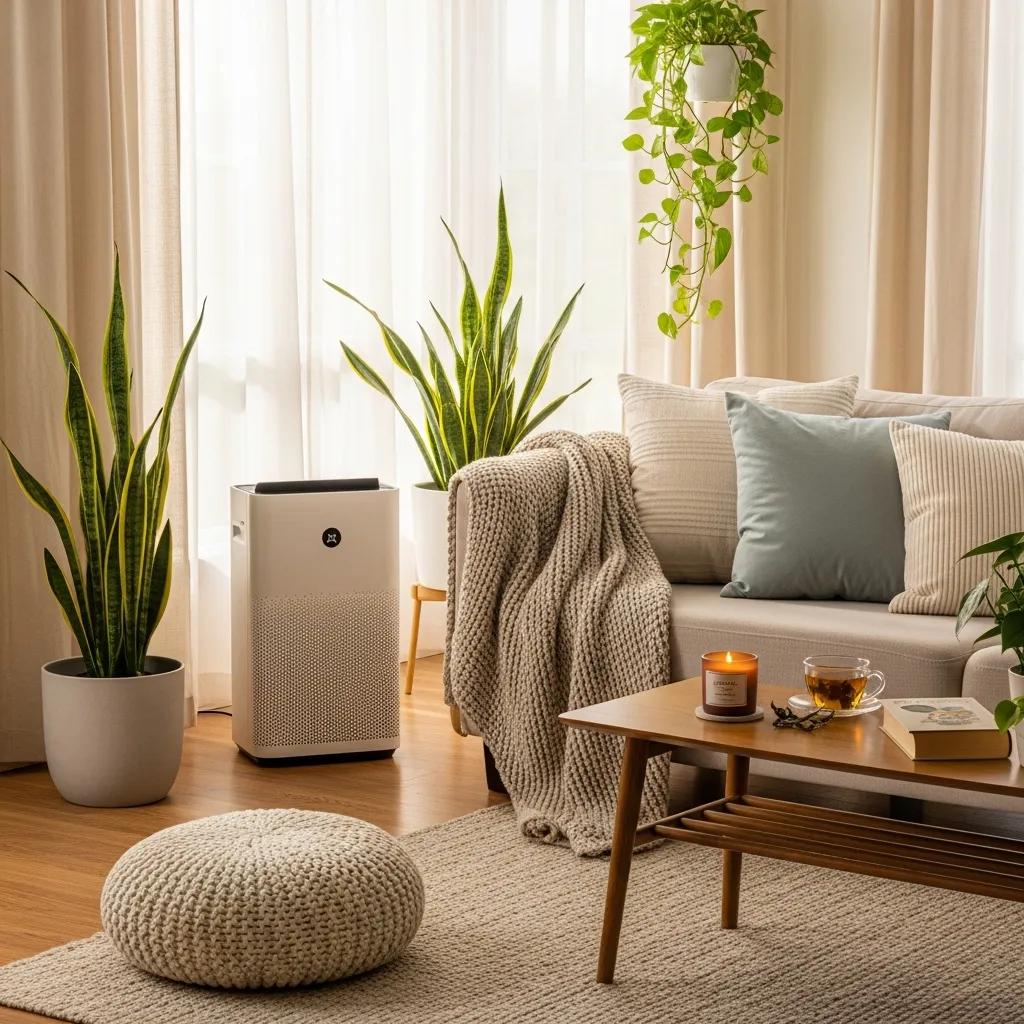
Exquisite Tips for Allergy Relief in Your House: Elevate Your Home’s Wellness with Personalized Care
Allergies can significantly impact your quality of life, making it essential to create a home environment that minimizes allergens. This article provides expert tips for allergy relief, focusing on practical strategies to enhance your home’s wellness. By understanding how to reduce indoor allergens and implement effective cleaning techniques, you can create a sanctuary that promotes health and comfort. We will explore the best air purifiers, effective cleaning tips, hypoallergenic products, and natural remedies that can help alleviate allergy symptoms. Additionally, personalized medical consultations can guide you in making informed choices about allergy management in your home.
Which Air Purifiers Offer Supreme Allergy Relief for Discerning Homes?
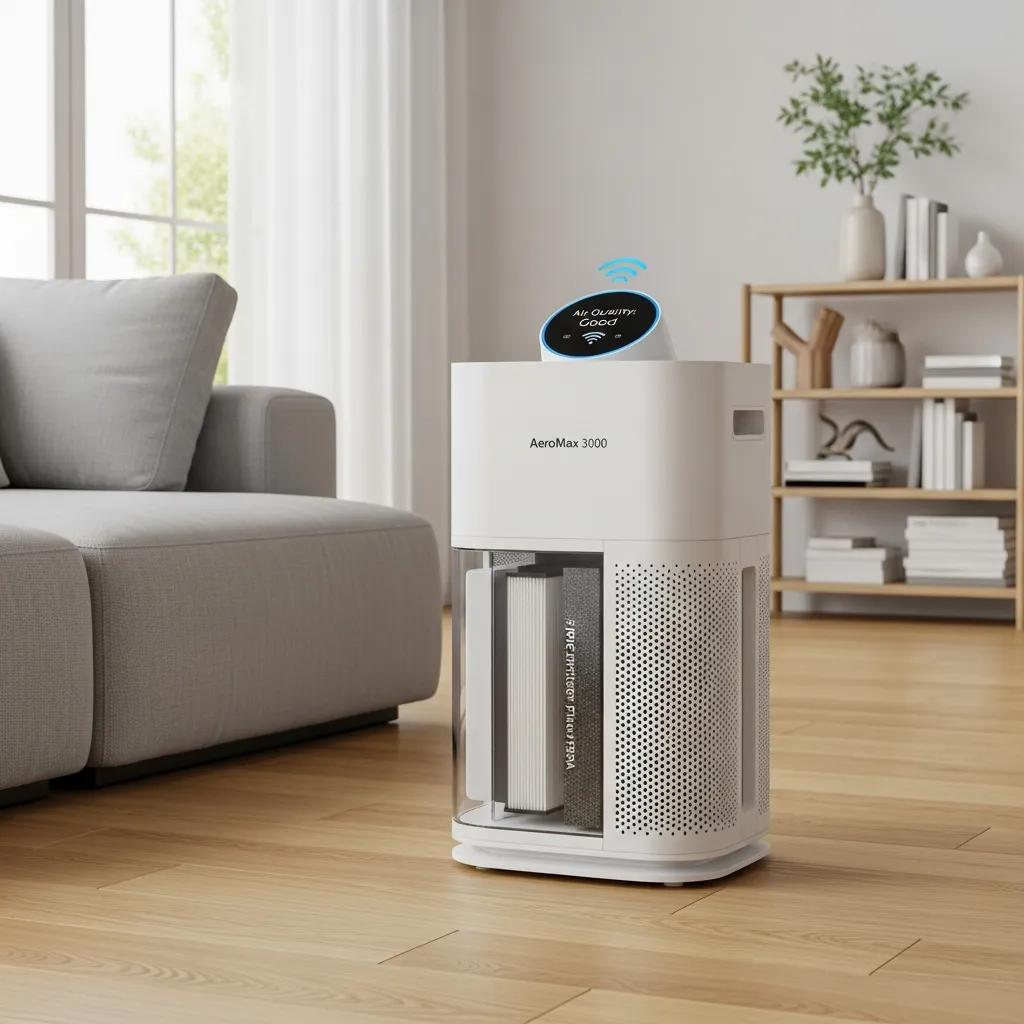
Air purifiers play a crucial role in maintaining indoor air quality by filtering out allergens such as dust, pollen, and pet dander. The most effective air purifiers utilize HEPA filters, which can capture particles as small as 0.3 microns with an efficiency of at least 99.97%. This capability significantly reduces the presence of allergens in your home, providing a cleaner and healthier living environment. When selecting an air purifier, consider features such as noise levels, energy efficiency, and smart technology integration to enhance your experience.
Research consistently supports the efficacy of various air filtration methods, including whole-house systems and portable units, in mitigating allergic respiratory diseases.
Air Filtration & Environmental Control for Allergy Relief
Air filtration is frequently recommended as a component of environmental control measures for patients with allergic respiratory disease. Residential air filtration can be provided by whole house filtration via the home’s heating, ventilation, or air conditioning system, by portable room air cleaners, or a combination of the two. Appliances to filter the sleep breathing zone also have been developed. High-efficiency whole house filtration, high-efficiency particulate air sleep zone air filtration, and high-efficiency particulate air room air cleaners all appear to provide various degrees of benefit.
Effectiveness of air filters and air cleaners in allergic respiratory diseases: a review of the recent literature, 2011
How Do HEPA Filters Enhance Indoor Air Quality and Reduce Allergens?
HEPA filters enhance indoor air quality by trapping airborne particles, including allergens, smoke, and dust. These filters work by forcing air through a fine mesh that captures these particles, preventing them from circulating back into the room. The result is a noticeable reduction in allergy symptoms for individuals sensitive to these irritants. Regular maintenance and timely replacement of HEPA filters are essential to ensure optimal performance and continued allergen reduction.
What Features Define the Most Luxurious Air Purifiers for Allergy Management?
The most luxurious air purifiers combine advanced technology with aesthetic design to provide both functionality and style. Key features to look for include:
- Smart Technology Integration: Many high-end models offer Wi-Fi connectivity, allowing you to control settings remotely via smartphone apps.
- Air Quality Sensors: These sensors automatically adjust the purifier’s settings based on real-time air quality readings, ensuring optimal performance.
- Quiet Operation: Premium air purifiers are designed to operate quietly, making them suitable for bedrooms and living areas without disrupting your daily activities.
Investing in a high-quality air purifier can significantly improve your home’s air quality and provide relief from allergy symptoms.
What Are the Most Effective Allergy Cleaning Tips to Maintain an Opulent, Allergen-Free Residence?
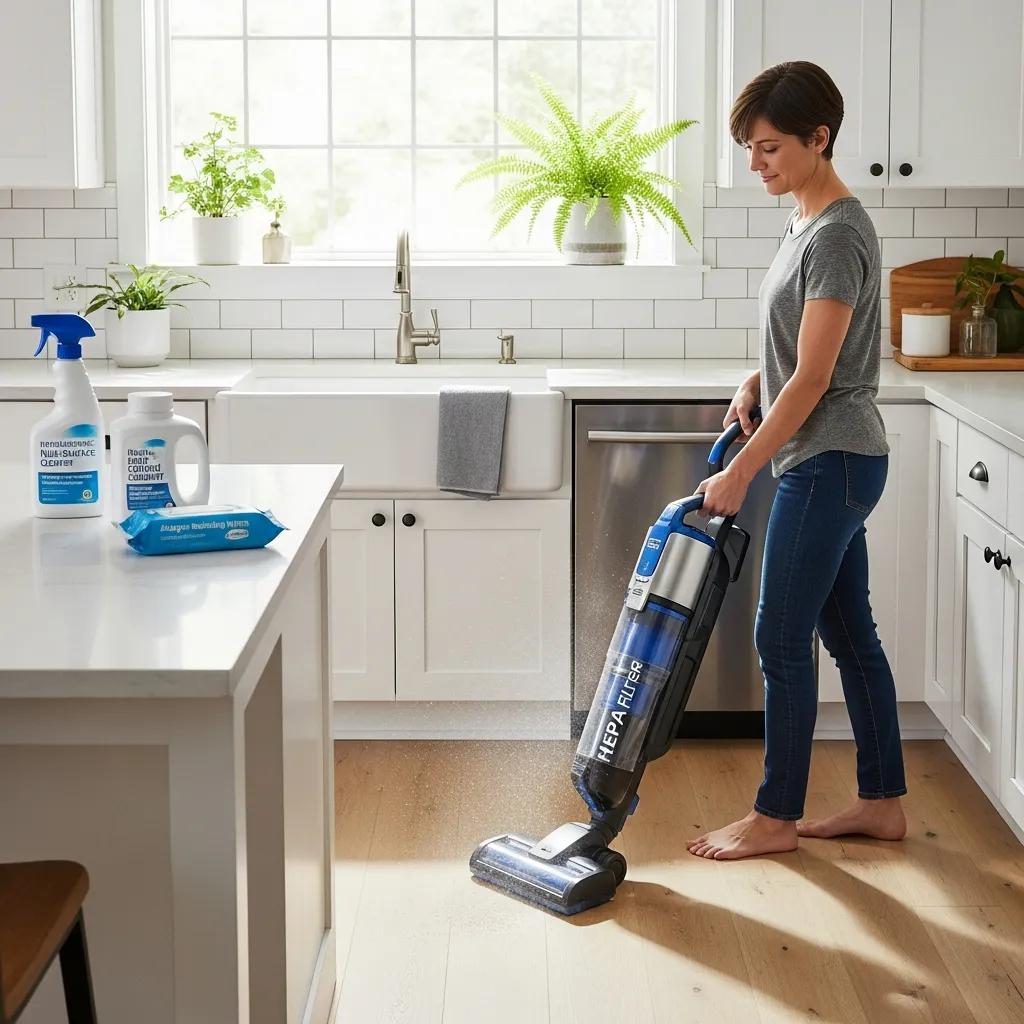
Maintaining a clean home is vital for reducing allergens. Implementing effective cleaning techniques can help minimize dust mites, pollen, and other irritants. Here are some essential tips for allergy-proofing your home:
- Regular Vacuuming: Use a vacuum cleaner equipped with a HEPA filter to trap allergens effectively.
- Dusting with Microfiber Cloths: These cloths capture dust rather than just moving it around, reducing the amount of allergens in the air.
- Washing Bedding Weekly: Washing sheets and pillowcases in hot water (at least 130°F or 54°C) can eliminate dust mites and other allergens.
How Can Tailored Cleaning Techniques Minimize Dust Mites and Pollen Indoors?
Tailored cleaning techniques focus on specific areas where allergens accumulate. For instance, using allergen-proof covers on mattresses and pillows can significantly reduce dust mite exposure. Additionally, maintaining low humidity levels in your home (ideally between 30-50%) can deter dust mites and mold growth. Regularly cleaning air ducts and using dehumidifiers can further enhance your indoor air quality.
Which Premium Cleaning Products Are Recommended for Allergy-Proofing Your Home?
When selecting cleaning products, opt for those specifically designed to reduce allergens. Recommended products include:
- Hypoallergenic Detergents: These are formulated without harsh chemicals that can irritate sensitive individuals.
- Allergen-Reducing Sprays: These products can be applied to carpets and upholstery to neutralize allergens.
- Natural Cleaning Solutions: Vinegar and baking soda are effective alternatives that can clean surfaces without introducing additional allergens.
Using these products can help maintain a cleaner, allergen-free environment in your home.
How Do Hypoallergenic Home Products Contribute to an Elegant and Healthy Living Environment?
Hypoallergenic home products are designed to minimize allergic reactions by reducing the presence of common allergens. These products include bedding, upholstery, and cleaning supplies made from materials that are less likely to trigger allergies. By incorporating hypoallergenic items into your home, you can create a healthier living space that promotes well-being.
What Are the Benefits of Selecting Hypoallergenic Bedding and Furnishings?
Choosing hypoallergenic bedding and furnishings offers several benefits:
- Reduced Allergens: These products are less likely to harbor dust mites and other allergens, providing a cleaner sleeping environment.
- Improved Sleep Quality: A hypoallergenic environment can lead to better sleep quality, as allergy symptoms are less likely to disrupt rest.
- Enhanced Comfort: Many hypoallergenic materials are designed for comfort, ensuring that your living space remains inviting and luxurious.
How Can Personalized Medical Consultations Guide Your Choice of Allergy-Safe Home Products?
Personalized medical consultations can provide valuable insights into which hypoallergenic products are best suited for your specific needs. Healthcare professionals can recommend products based on your allergy profile, ensuring that you make informed choices that enhance your home environment. This tailored approach can lead to more effective allergy management and improved overall health.
Which Natural Allergy Remedies Provide Sophisticated and Gentle Relief Within Your Sanctuary?
Natural remedies can complement traditional allergy treatments, offering gentle relief from symptoms. Some effective natural remedies include:
- Local Honey: Some people believe consuming local honey may help build immunity to local pollen, but scientific evidence supporting this claim is limited.
- Nasal Irrigation: Using saline solutions can help clear allergens from nasal passages and reduce symptoms.
- Herbal Supplements: Certain herbs, such as butterbur and quercetin, have shown potential in reducing allergy symptoms, though results may vary and consultation with a healthcare provider is recommended.
How Do Personalized Home Remedies Complement Medical Allergy Treatments?
Personalized home remedies can enhance the effectiveness of medical treatments by addressing specific symptoms and triggers. For example, combining antihistamines with natural remedies like nasal irrigation can provide comprehensive relief. Consulting with a healthcare provider can help you develop a holistic approach to managing your allergies.
What Allergen Reduction Techniques Harmonize Wellness and Comfort in Your Home?
Implementing allergen reduction techniques can create a harmonious living environment that prioritizes both wellness and comfort. Strategies include:
- Regular Air Quality Monitoring: Using indoor air quality monitors can help you track allergen levels and adjust your cleaning routines accordingly.
- Creating Allergen-Free Zones: Designating certain areas of your home, such as bedrooms, as allergen-free zones can provide a safe haven for allergy sufferers.
- Incorporating Plants: While some indoor plants can improve air quality, others may produce pollen or mold and could potentially worsen allergies; careful selection is recommended.
By integrating these techniques, you can create a sanctuary that supports your health and well-being while minimizing allergy triggers.





Leave a Reply
Your email is safe with us.
You must be logged in to post a comment.