
DPC vs Concierge Medicine: Costs & Perks | Desert Mobile Medical, PLC
Navigating the landscape of personalized healthcare can be daunting, especially when considering options like Direct Primary Care (DPC) and Concierge Medicine. Each model offers unique benefits tailored to different patient needs, making it essential to understand their distinctions. This article will explore the key differences between DPC and Concierge Medicine, focusing on their membership benefits, cost structures, and the overall patient experience. By the end, you will have a clearer understanding of which model aligns best with your healthcare needs and lifestyle.
What Distinguishes Direct Primary Care from Concierge Medicine in Luxury Healthcare?
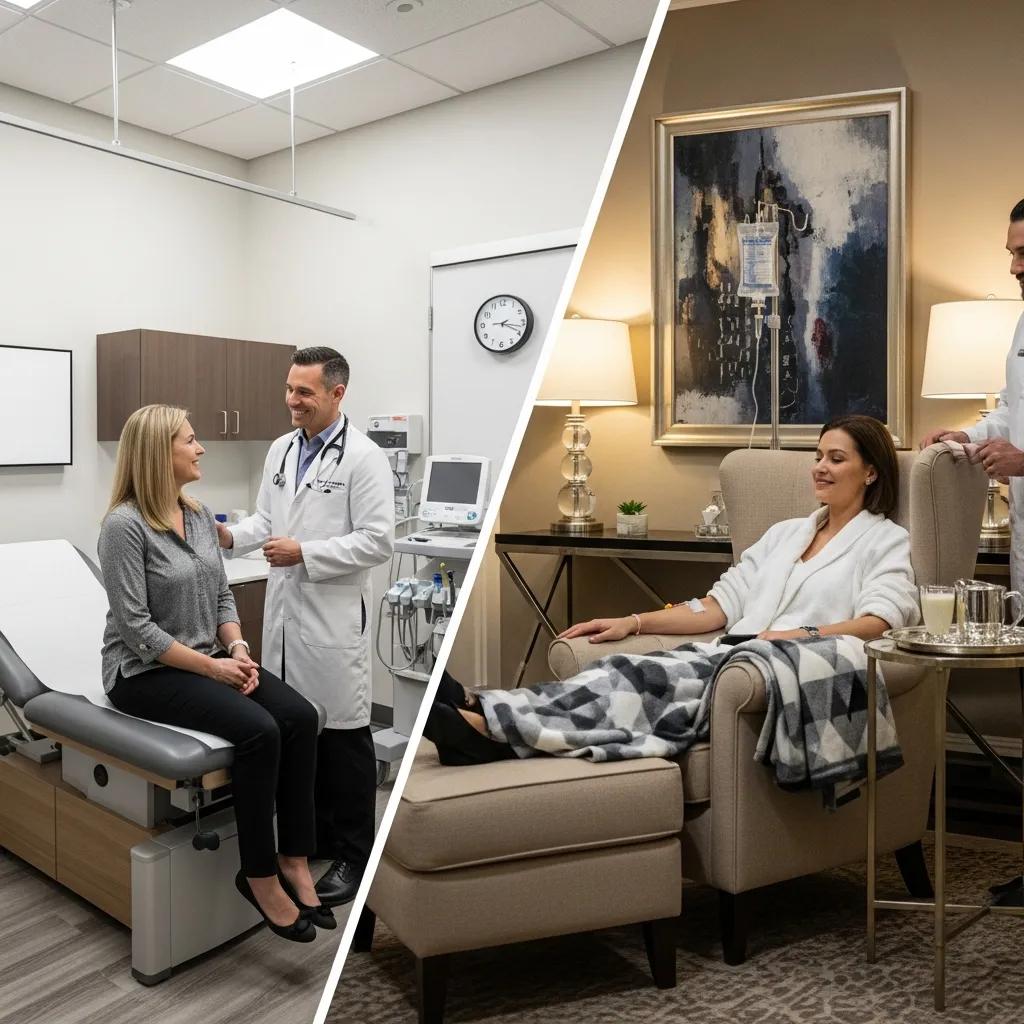
Direct Primary Care (DPC) and “Concierge Medicine” are two innovative healthcare models that prioritize personalized care. DPC typically operates on a membership basis, allowing patients to pay a flat monthly fee for access to a range of services. This model enhances accessibility and affordability, as patients can seek care without the burden of traditional insurance constraints. In contrast, Concierge Medicine often involves significantly higher fees for enhanced services, including 24/7 access to physicians and more comprehensive care options.
Research further clarifies the foundational aspects of Direct Primary Care, highlighting its distinct operational and financial structure.
How Does Membership-Based Pricing Enhance Accessibility and Affordability?
Membership-based pricing in DPC significantly enhances accessibility by offering transparent and predictable costs. Patients pay a flat monthly fee, which often covers a wide array of services, including in-office visits and telemedicine options. This structure encourages patients to seek care when needed, reducing the likelihood of delayed treatment due to financial concerns. For example, a typical DPC membership might range from $50 to $150 per month, depending on the services included.
What Personalized Medical Services Define Each Model’s Patient Experience?
The patient experience in DPC is characterized by a holistic approach to healthcare. Patients benefit from direct communication with their physicians, who are often more accessible due to lower patient loads. This model allows for tailored treatment plans that address individual health needs. Conversely, Concierge Medicine offers a more luxurious experience with additional amenities, such as extended office hours and personalized wellness programs. Both models prioritize patient satisfaction but do so through different service offerings.
Indeed, the allure of Concierge Medicine often lies in its comprehensive suite of exclusive services and amenities, provided through an annual fee structure.
Which Membership Plans Offer the Most Sophisticated Healthcare Experience in Phoenix?
In Phoenix, various membership plans cater to different patient preferences and needs. DPC plans typically include essential services at a lower cost, while Concierge Medicine plans offer premium services for a higher fee. For instance, Desert Mobile Medical provides tailored healthcare solutions that cater to busy professionals and families, ensuring that patients receive the care they need without compromising their schedules.
How Do Mobile Medical Services Elevate Convenience for Discerning Patients?

Mobile medical services are a hallmark of modern healthcare, particularly in DPC models. These services allow healthcare providers to deliver care directly to patients’ homes, enhancing convenience and comfort. Patients can receive routine check-ups, vaccinations, and even urgent care without the need to travel to a clinic. This flexibility is especially beneficial for individuals with mobility challenges or those who prefer the privacy of their own homes.
What Are the Key Advantages of Direct Primary Care Over Concierge Medicine?
Direct Primary Care offers several advantages over Concierge Medicine, particularly in terms of cost and accessibility. DPC typically features predictable pricing, allowing patients to budget for their healthcare expenses more effectively. Additionally, the focus on primary care ensures that patients receive comprehensive and continuous care, fostering long-term health relationships. This model often results in higher patient satisfaction due to the personalized attention and care continuity provided.
How Do Patient Experiences Compare Between Concierge Medicine and Direct Primary Care?
Patient experiences in both DPC and Concierge Medicine can vary significantly based on the services offered and the overall approach to care. DPC emphasizes a strong patient-physician relationship, often leading to better health outcomes. Patients appreciate the time spent with their doctors, which allows for thorough discussions about health concerns and treatment options. In contrast, Concierge Medicine may appeal to those seeking immediate access and luxury services, though it may not always provide the same level of personalized attention.
What Role Does Personalized Attention Play in Each Healthcare Model?
Personalized attention is a critical component of both DPC and Concierge Medicine. In DPC, physicians often have smaller patient panels, allowing them to dedicate more time to each patient. This results in in-depth assessments and tailored care plans that address specific health needs. Conversely, while Concierge Medicine offers enhanced access, the level of personalized attention can vary based on the practice’s structure and the number of patients served.
How Does Privacy and Tailored Care Influence Patient Satisfaction?
Privacy and tailored care significantly influence patient satisfaction in both models. Patients in DPC often feel more secure discussing sensitive health issues due to the trusting relationships they build with their physicians. This level of comfort can lead to improved health outcomes, as patients are more likely to engage in open communication about their health. In Concierge Medicine, the emphasis on privacy and personalized care can also enhance satisfaction, particularly for those who value exclusivity in their healthcare experience.
What Should You Consider When Choosing Between DPC and Concierge Medicine in Scottsdale and Paradise Valley?
When deciding between DPC and Concierge Medicine, several factors should be considered, including cost structure, access to care, and the level of personalization offered. Each model has its strengths, and the best choice will depend on individual health needs and lifestyle preferences.
How Do Cost Comparisons Impact Your Healthcare Investment?
Cost comparisons between DPC and Concierge Medicine reveal significant differences in financial commitment. DPC typically offers lower monthly fees, making it a more affordable option for many patients. In contrast, Concierge Medicine may require a higher upfront investment, often ranging from $1,500 to $5,000 or more annually, but it often includes additional services that some patients may find valuable. Understanding these cost structures is essential for making an informed healthcare investment.
However, it’s crucial to recognize that the financial commitment for concierge medicine often extends beyond the annual fee, potentially limiting its accessibility.
Which Model Aligns Best with Your Lifestyle and Wellness Goals?
Ultimately, the choice between DPC and Concierge Medicine should align with your lifestyle and wellness goals. If you prioritize affordability and direct access to primary care, DPC may be the ideal choice. However, if you seek a more luxurious healthcare experience with enhanced services, Concierge Medicine could be more suitable. Evaluating your personal health needs and preferences will guide you toward the best option for your healthcare journey.