

Understanding Phoenix Air Quality & Your Health
Phoenix’s air quality significantly impacts respiratory health, particularly for those with pre-existing conditions. As air pollution levels fluctuate, understanding how these changes affect lung function and overall wellness becomes crucial. This article delves into the relationship between air quality and respiratory health, focusing on the unique challenges faced by residents in Phoenix. We will explore the effects of air pollution, seasonal allergens, and the signs of air quality-related respiratory conditions. Additionally, we will discuss how personalized mobile medical services can enhance respiratory care, providing tailored solutions for individuals affected by these environmental factors.
How Does Phoenix Air Quality Influence Respiratory Wellness?
Air quality in Phoenix is influenced by various factors, including traffic emissions, industrial activities, and natural dust storms. These elements contribute to a complex mix of pollutants that can adversely affect lung health. Understanding the specific pollutants and their effects is essential for residents, especially those with respiratory conditions.
Understanding Air Pollution and Its Impact on Lung Health
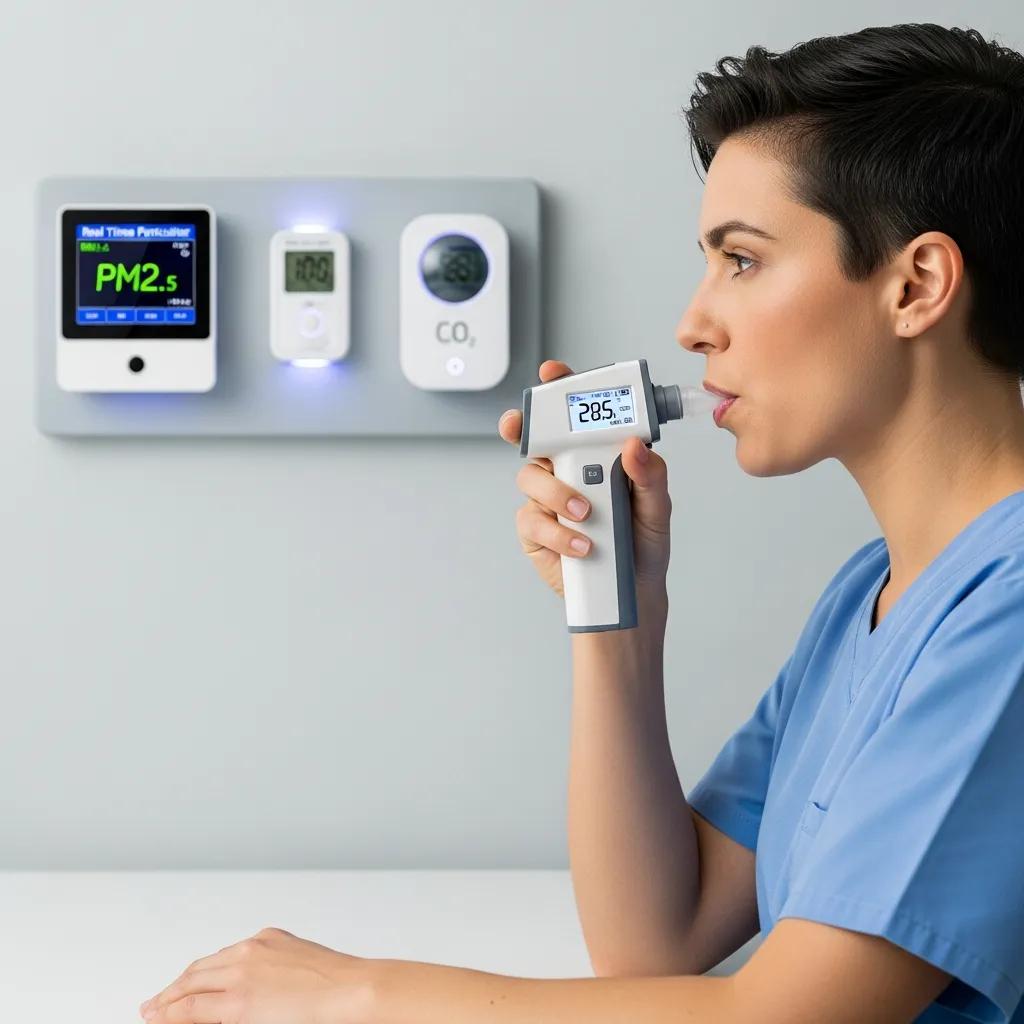
Air pollution consists of various harmful substances, including particulate matter (PM2.5 and PM10), nitrogen dioxide (NO2), and ozone (O3). These pollutants can lead to chronic respiratory issues, such as asthma and chronic obstructive pulmonary disease (COPD). Studies indicate that long-term exposure to these pollutants can result in decreased lung function and increased respiratory symptoms. For instance, individuals living in areas with high PM levels are at a greater risk of developing lung diseases, highlighting the importance of monitoring air quality.
Further research specifically highlights the impact of particulate matter on respiratory health in Phoenix.
Phoenix PM2.5 & Asthma Hospitalizations
Exposure to particulate matter less than 2.5 μm in diameter (PM2.5) exacerbates asthma and increases mortality. In Phoenix, AZ, the highest PM2.5values frequently occur during the winter fireplace season and air quality health standards are often exceeded during the Christmas and New Year’s holidays. It was clear that enhanced messaging was needed by air quality and public health authorities to discourage biomass fires (BMF) on days when unhealthful levels of pollution were likely to be caused by that activity.
The relationship of high PM2.5 days and subsequent asthma-related hospital encounters during the fireplace season in Phoenix, AZ, 2008–2012, R Pope, 2008
Seasonal Allergy Triggers in Phoenix’s Unique Environment
Phoenix’s unique desert climate creates a breeding ground for various allergens, particularly during the spring and fall. Common allergens include pollen from trees, grasses, and weeds, as well as mold spores. These allergens can exacerbate respiratory conditions, leading to increased symptoms for those with allergies or asthma. Understanding the timing and types of allergens prevalent in Phoenix can help residents manage their symptoms more effectively. For example, staying indoors during high pollen days and using air purifiers can mitigate exposure.
What Are the Signs and Symptoms of Air Quality-Related Respiratory Conditions?
Recognizing the signs and symptoms of respiratory conditions related to poor air quality is crucial for timely intervention. Common symptoms include:
- Coughing: A persistent cough can indicate irritation in the airways.
- Shortness of Breath: Difficulty breathing, especially during physical activity, may signal underlying respiratory issues.
- Wheezing: A whistling sound when breathing can indicate constricted airways.
- Chest Tightness: A feeling of pressure in the chest can be a sign of respiratory distress.
If these symptoms persist, it is essential to seek medical advice to address potential health concerns.
How Can Personalized Mobile Medical Services Enhance Respiratory Care in Phoenix?

Personalized mobile medical services offer a convenient solution for individuals in Phoenix dealing with respiratory health issues. These services provide tailored care that addresses the unique needs of patients, particularly those affected by poor air quality and seasonal allergies.
Benefits of Bespoke Mobile Healthcare for Allergy and Asthma Management
Mobile healthcare services can significantly enhance the management of allergies and asthma by offering:
- Convenience of At-Home Care: Patients can receive care in the comfort of their homes, reducing the stress associated with traditional office visits.
- Personalized Attention: Healthcare providers can develop individualized care plans that consider each patient’s specific health needs and environmental factors.
- Follow-Up Support: Regular follow-ups ensure that patients are managing their conditions effectively and making necessary adjustments to their treatment plans.
Indeed, studies demonstrate the effectiveness of such integrated digital monitoring and mobile healthcare interventions in improving patient outcomes.
Digital Monitoring for COPD: Improved Quality of Life
A multimodal intervention combining preventative care, symptom and biometric monitoring, and MIH services was feasible in adults living with COPD. Participants demonstrated high protocol fidelity and engagement and reported improved quality of life.
Healthy at home for COPD: an integrated digital monitoring, treatment, and pulmonary rehabilitation intervention, S Behar, 2025
Membership Advantages for Continuous Respiratory Wellness
Desert Mobile Medical emphasizes a membership-based model that provides ongoing access to healthcare services. Membership benefits include:
- Unlimited Consultations: Members can consult with healthcare professionals as needed, ensuring timely care.
- Access to Exclusive Wellness Programs: Members can participate in programs designed to improve respiratory health, including education on managing allergies and asthma.
- Personalized Health Assessments: Regular assessments help track progress and adapt care plans to meet changing health needs.
What Strategies Help Monitor and Mitigate Air Quality Effects on Health?
Monitoring air quality is essential for making informed health decisions, especially in areas like Phoenix where pollution levels can fluctuate. Utilizing available resources can empower residents to take proactive steps in managing their health.
Utilizing the Phoenix Air Quality Index for Proactive Health Decisions
The Phoenix Air Quality Index (AQI) provides real-time data on air quality levels, helping residents understand when to limit outdoor activities. By checking the AQI regularly, individuals can make informed decisions about their exposure to pollutants. For example, when the AQI indicates unhealthy levels, it is advisable to stay indoors and use air filtration systems to reduce indoor pollution.
Preventative Tips for Managing Respiratory Health During Allergy Season
To effectively manage respiratory health during allergy season, consider the following tips:
- Stay Hydrated: Drinking plenty of water helps thin mucus and keeps airways clear.
- Limit Outdoor Activities: On high pollen days, reduce time spent outdoors, especially during peak pollen hours.
- Use Air Purifiers: Investing in high-efficiency particulate air (HEPA) filters can significantly reduce indoor allergens.
By implementing these strategies, residents can better protect their respiratory health and mitigate the effects of poor air quality.




Leave a Reply
Your email is safe with us.
You must be logged in to post a comment.