Thymosin Alpha‑1: Small Peptide, Big Immune Power.
Thymosin Alpha‑1 — Immune Optimization Peptide Therapy
What Is Thymosin Alpha‑1?
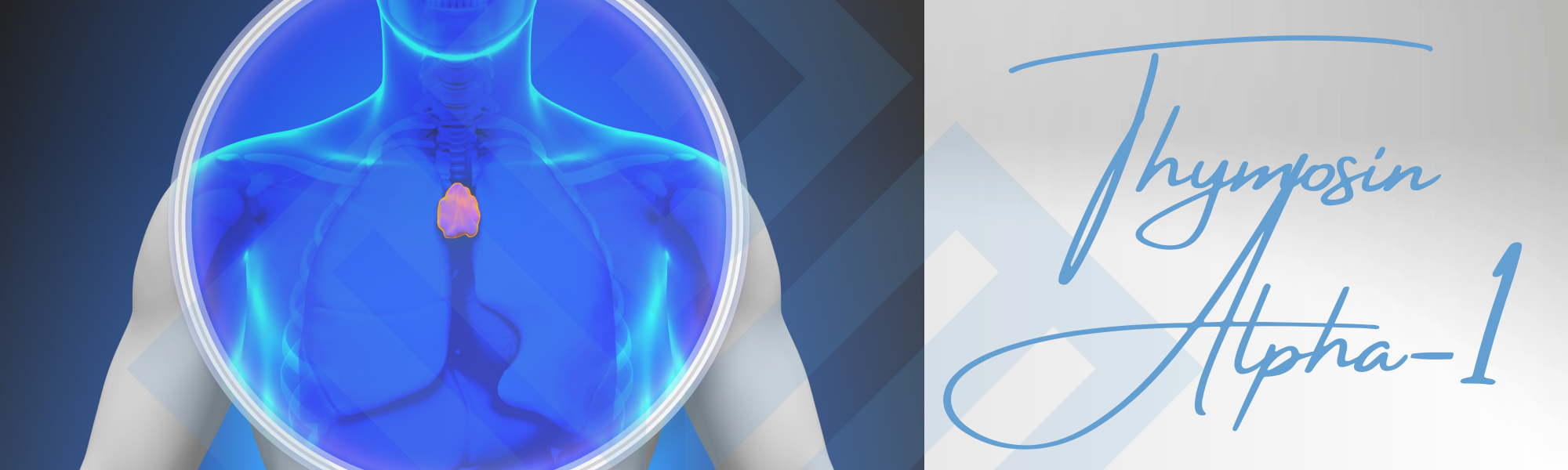
Thymosin Alpha‑1 (TA‑1) is a 28‑amino‑acid peptide first described by biochemist and immunologist Dr. Allan L. Goldstein in 1972. Thymosins are hormone‑like peptides naturally produced in your thymus gland, a two‑lobed organ behind the sternum that educates your immune cells. Among the thymosins, TA‑1 is best known for modulating immune function and enhancing the activity of the body’s T cells; white blood cells responsible for recognizing and destroying abnormal cells and pathogens. Synthetic TA‑1 (also called thymalfasin or Zadaxin) is chemically identical to the naturally occurring peptide.
How Thymosin Alpha‑1 Works
TA‑1 exerts its immune‑modulating effects through several complementary mechanisms:
-
T‑cell maturation and differentiation – TA‑1 promotes the development of functional T‑lymphocytes in the thymus. Healthy T cells are crucial for mounting an effective defense against viral and bacterial infections.
-
Cytokine modulation – It increases production of key immune signaling molecules such as interleukin‑2, interleukin‑3 and interferon‑gamma. These cytokines coordinate robust yet balanced immune responses.
-
Immune balance – TA‑1 regulates the immune system bidirectionally, enhancing defenses when they are weak and preventing excessive inflammation that can harm healthy tissues.
Because TA‑1 acts as an immune modulator rather than a stimulant, it helps restore equilibrium in the immune system without causing overactivation.
Research‑Supported Benefits and Applications
Clinical and preclinical studies highlight a variety of potential benefits:
Immune and Infection Support
-
Enhanced immune defense: TA‑1 strengthens the body’s natural defenses by optimizing T‑cell function and immune surveillance.
-
Chronic infection support: Research suggests benefits in chronic viral infections such as hepatitis B and C. TA‑1 has also been used as an adjunct therapy for HIV/AIDS.
-
Post‑viral and respiratory infections: Emerging evidence indicates TA‑1 may reduce severity of acute COVID‑19 and aid recovery in long‑COVID by modulating dendritic cells and reducing pro‑inflammatory cytokines.
Autoimmune and Inflammatory Conditions
-
Autoimmune diseases: TA‑1’s anti‑inflammatory activity may support the management of autoimmune disorders such as rheumatoid arthritis, multiple sclerosis and lupus. Lower serum TA‑1 levels have been observed in patients with these diseases, suggesting supplementation could help restore immune balance.
-
Inflammation control: TA‑1 affects dendritic cell function and balances Th1/Treg cells, which helps regulate inflammatory responses.
Adjunctive Cancer Therapy
-
Cancer therapy adjunct: TA‑1 has been explored as an immunotherapeutic agent to support chemotherapy or radiotherapy in melanoma, hepatocellular carcinoma and lung cancer. It may enhance tumor antigen presentation, promote immuno-surveillance and reduce treatment‑related immunosuppression.
Longevity and Wellness
-
Counteracting age‑related immune decline: Thymus function and thymosin production decline with age. TA‑1 therapy helps restore T‑cell production and immune resilience.
-
Antioxidant production: TA‑1 may boost antioxidant and glutathione levels, supporting the body’s defenses against oxidative stress.
-
Immune normalization: By normalizing immune response and function, TA‑1 may reduce the risk of infections and inflammatory conditions.
Who Is Thymosin Alpha‑1 For?
TA‑1 peptide therapy may benefit adults (who are not pregnant or breastfeeding) with immune‑related concerns such as:
-
Chronic inflammation or frequent infections
-
Autoimmune diseases like rheumatoid arthritis or lupus
-
Chronic hepatitis B or C
-
HIV/AIDS
-
Adjunctive support during cancer therapy
-
Long COVID, ME/CFS or Lyme disease
TA‑1 is not suitable for everyone. Individuals with liver failure, patients undergoing deliberate immunosuppression (e.g., transplant recipients or those receiving high‑dose chemotherapy), pregnant or breastfeeding women, children and those with unrelated goals (such as muscle repair better addressed by Thymosin β4) should look elsewhere. Always consult a qualified clinician to determine if TA‑1 is appropriate for your needs.
Administration and Dosing
TA‑1 is typically administered as a subcutaneous or intramuscular injection. Standard therapeutic protocols involve injections two to three times per week for 4–12 week cycles. The commonly used dose is 1.6 mg per injection, though dosing and cycle length are customized based on your immune health and treatment goals.
After an initial consultation, patients are taught self‑injection techniques or may receive injections through our medical staff. Many individuals find that the small‑gauge needles make injections simple and comfortable.
Safety and Side Effects
TA‑1 has been studied for over four decades and exhibits a favorable safety profile when used under medical supervision. In nonclinical studies, high doses in animals produced no drug‑related adverse effects. Clinical studies report that the most common side effects are mild injection site discomfort, redness or irritation. Less common adverse effects include transient elevations in liver enzymes (ALT), thyroid‑stimulating hormone abnormalities, or, in rare cases, fatigue and flu‑like symptoms.
TA‑1 may worsen graft‑versus‑host disease in transplant recipients and should not be used in children or pregnant and breastfeeding individuals. As with any peptide therapy, use only under the guidance of a physician who will monitor your progress and adjust dosing as needed.
Expected Benefits Timeline
Patients typically notice improvements in immune resilience and recovery within a few weeks. Enhanced resistance to infections and reduced inflammation may appear after 2–6 weeks, with stable, long‑term benefits manifesting around 6–12 weeks. Full optimization of immune function can take approximately 90 days.
Our Concierge Peptide Program
At Desert Mobile Medical, we offer a physician‑led telemedicine program that delivers precision dosing and concierge support. Your TA‑1 therapy includes:
-
Customized dosing regimen – Personalised TA‑1 protocol based on lab work and medical history.
-
Telemedicine convenience – Virtual evaluations and follow‑ups; medication is shipped directly to your door.
-
Physician supervision – Ongoing oversight by our physicians.
-
Secure messaging – Access to providers for questions or concerns.