
Our aim is to empower you, especially busy professionals, seniors, or anyone valuing discretion, with the clear criteria and actionable steps needed to find exceptional care. We delve into effective treatment modalities, the practicalities of in-home detox and MAT medications, integrated mental health support, relapse prevention tactics, the investment in concierge care, and how to find trusted reviews or discreet access to services. Throughout, we integrate current research and telemedicine advancements through 2025 to detail safe, physician-led pathways for local searches like “addiction treatment options near me” and “concierge addiction treatment Phoenix.”
The most effective addiction treatment strategies blend medical stabilization, evidence-based medications, and targeted behavioral therapies to safely manage withdrawal, curb cravings, and address the root causes of substance use. Medical detox provides crucial stabilization under expert clinical supervision, Medication-Assisted Treatment (MAT) helps control cravings and reduces overdose risks, and behavioral therapies like cognitive behavioral therapy (CBT) and motivational interviewing foster lasting changes in behavior.
Dual diagnosis programs simultaneously address co-occurring mental health conditions, significantly lowering relapse potential. The ideal program is tailored to individual needs: inpatient care for severe withdrawal or complex medical/psychiatric issues, outpatient or intensive outpatient programs for moderate needs, and discreet in-home concierge care for those who can safely manage at home with physician oversight. Your choice depends on your medical acuity, available psychosocial support, and personal priorities like privacy and continuity. Understanding these factors will guide your conversations with local providers.
Next, we’ll define concierge addiction treatment and explore how this model integrates medical and behavioral care.
Concierge addiction treatment is a highly personalized, physician-directed service that encompasses comprehensive medical assessment, detox supervision, medication management, and ongoing care, all delivered with an unwavering focus on privacy and convenience. Our clinicians conduct a confidential intake, develop a tailored medical plan including thorough risk assessment, and provide in-home visits or telemedicine follow-ups to manage withdrawal symptoms, initiate MAT, and coordinate referrals for behavioral health services.
For you, the primary advantages are discreet scheduling, minimized travel and public exposure, and consistent care from a dedicated physician-led team managing your medications and follow-up. This model is ideal for discerning individuals who require expert medical oversight without the disruption of facility-based stays, ensuring a seamless transition to continued outpatient support when clinically appropriate.
Medically supervised in-home alcohol detox offers unparalleled privacy by enabling you to undergo withdrawal management within the comfort of your own residence, supported by scheduled physician evaluations and monitoring.
Safety is paramount, beginning with an initial medical assessment to identify any severe withdrawal risks, followed by structured vital sign checks, symptom-triggered medication protocols, and clear guidelines for escalating care to a facility if necessary.
Convenience is delivered through discreet appointment scheduling and telemedicine check-ins, minimizing time away from your work or family responsibilities while maintaining essential clinical oversight.
Careful candidate selection is crucial: patients must have a stable home environment, reliable support persons or contacts, and no immediate high-risk medical or psychiatric complications.
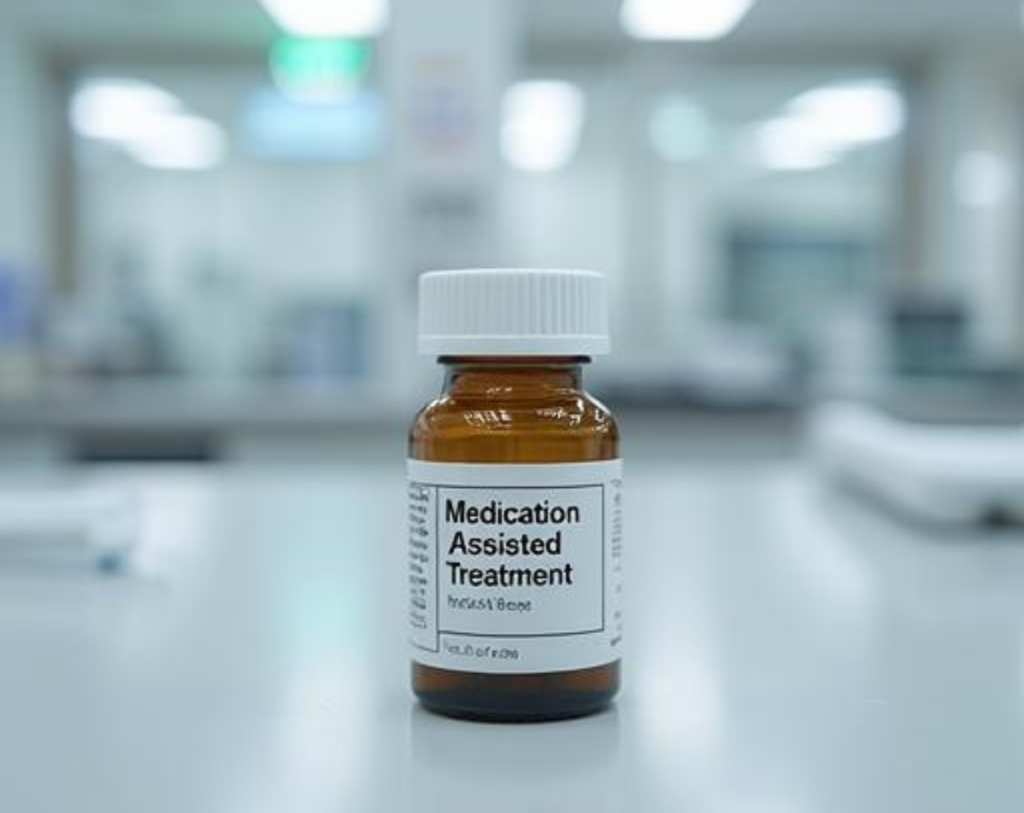
Medication-Assisted Treatment (MAT) synergizes FDA-approved medications with expert counseling to effectively reduce cravings, enhance engagement in care, and significantly lower the morbidity and mortality associated with opioid and alcohol use disorders. Medications such as naltrexone and buprenorphine work on neurobiological pathways to temper reward responses and withdrawal symptoms, while supportive medications aid symptom management during stabilization.
This pharmacologic approach leads to measurable reductions in overdose deaths and relapse rates. Recent regulatory updates through 2025 have broadened telemedicine pathways, facilitating remote initiation and ongoing management of certain MAT medications in outpatient and concierge settings. Integrating MAT with behavioral therapies amplifies positive outcomes, and the approach is adaptable for in-home or clinic-based delivery, depending on clinical necessity and your preference.
Dual diagnosis treatment is essential because it addresses both a substance use disorder and a co-occurring mental health condition concurrently. Untreated psychiatric illness often fuels relapse and undermines recovery efforts.
Our integrated care approach coordinates medication management for mood or anxiety disorders with addiction-focused psychotherapy, ensuring both conditions are stabilized and that treatment plans are pharmacologically compatible.
High prevalence rates of co-occurrence underscore the importance of assessing for depression, PTSD, and anxiety during intake; treating these conditions alleviates symptom burden and improves engagement with addiction treatment. Concierge models can provide confidential dual diagnosis assessment and medication management in your home, while seamlessly connecting you to specialized psychiatric services when needed.
Private substance abuse treatment for affluent professionals is meticulously designed around flexibility, absolute confidentiality, and outcome-driven care that minimizes workplace disruption and public visibility.
Our services typically include same- or next-day assessments, discreet in-home visits or telemedicine consultations, coordination with employers or legal advisors only with your explicit consent, and customized plans that balance intensive clinical needs with your professional obligations.
Stringent privacy protocols ensure discreet communications and appointment logistics, and our care team prioritizes rapid access to medications, swift stabilization, and seamless transition planning to facilitate your return to work when clinically appropriate.
These tailored elements are crafted to maximize clinical effectiveness while respecting the unique confidentiality and scheduling demands of busy professionals.
Our comprehensive local treatment categories include:
- Medical detox: Expertly supervised withdrawal management to stabilize physiological risks and prepare you for ongoing care.
- Medication-Assisted Treatment (MAT): Evidence-based pharmacotherapy combined with counseling to reduce cravings and mitigate overdose risk.
- Behavioral therapies: Structured psychotherapy, such as CBT and motivational interviewing, to foster lasting changes in substance-use patterns.
- Dual diagnosis care: Integrated treatment for co-occurring mental health disorders and substance use disorders, addressing the whole person.
These foundational options enable us to match treatment precisely to your clinical severity and personal priorities. The decision among them is guided by an initial medical and psychosocial assessment to identify the safest and most effective path forward for you.
In-home detoxification is a carefully structured clinical process that begins with a comprehensive intake assessment, progresses through stabilization using symptom-targeted medications, and concludes with a planned transition to ongoing care and relapse prevention. Our clinicians meticulously assess withdrawal severity, co-existing medical conditions, and home safety to determine your suitability for at-home detox. They then create an individualized plan detailing monitoring frequency, medication protocols, and emergency escalation instructions.
Stabilization employs medications tailored to the substance class, for alcohol, symptom-triggered benzodiazepines or alternatives when contraindications exist; for opioids, buprenorphine induction when clinically appropriate, supplemented by supportive care and remote or in-person monitoring.
The entire process emphasizes physician oversight, regular reassessment, and a clear transition to MAT or outpatient therapy to ensure sustained recovery.
Medically supervised in-home alcohol detox follows a clear, systematic sequence: a confidential intake and thorough medical evaluation, individualized risk stratification, initiation of symptom-based medication protocols, scheduled monitoring and vital sign checks, and meticulous transition planning to ongoing therapy or MAT.
The initial evaluation rigorously screens for severe withdrawal risk factors, such as a history of complicated detoxes, significant comorbidities, or unstable psychiatric conditions; patients identified as high-risk are recommended for facility-based care.
During the stabilization phase, clinicians utilize symptom-triggered medication regimens and frequent check-ins to effectively manage tremor, insomnia, nausea, and autonomic symptoms while vigilantly monitoring for any complications.
The final, critical step involves arranging comprehensive follow-up care, including counseling, MAT if indicated, and relapse prevention strategies, to significantly reduce the likelihood of returning to hazardous drinking patterns.
Opioid detox managed safely at home centers on the careful induction to buprenorphine when clinically appropriate, adjunctive symptom management, and close follow-up to prevent precipitated withdrawal and ensure your safety.
Our clinicians assess the type of opioid used and the timing of your last dose to correctly schedule buprenorphine induction. They provide supervision through telemedicine or on-site visits and prescribe adjunct medications like clonidine or antiemetics to manage autonomic symptoms.
Follow-up protocols include frequent early contacts, arranged pharmacy access, and contingency plans for escalation if withdrawal symptoms are severe or if there’s a risk of medical complications. Regulatory flexibilities through 2025 permit certain remote prescribing pathways that, when combined with physician-led in-person visits, enable safe home-based opioid management for carefully selected patients.
Medications used during in-home detox are specifically chosen to target withdrawal pathways and provide symptom relief: benzodiazepines effectively reduce alcohol-related autonomic hyperactivity and seizures; buprenorphine significantly decreases opioid cravings and withdrawal intensity; clonidine helps diminish sympathetic overactivation; and gabapentin can alleviate anxiety and sleep disturbances as an adjunct.
Each medication operates through distinct mechanisms; benzodiazepines enhance GABAergic inhibition to calm central nervous system hyperexcitability, buprenorphine acts as a partial opioid agonist to stabilize receptors, and clonidine lowers norepinephrine-driven symptoms.
Safety is ensured through physician oversight of dosing, vigilant monitoring for adverse effects, and clear protocols for transfer to higher-level care if necessary. These medications play vital roles in supporting a symptom-controlled, safer detox experience at home when clinical criteria are met.
| Detox Setting | Typical Protocol | Advantages | Limitations |
|---|---|---|---|
| Medically supervised in-home detox | Initial intake, symptom-triggered medications, scheduled vitals/telemedicine checks, escalation plan | Your privacy, comfort, minimal disruption, physician continuity | Requires a stable home environment, not suitable for high medical/psychiatric risk |
| Facility-based detox | Continuous monitoring, 24/7 nursing, structured environment, immediate access to emergency care | Optimal for severe withdrawal or unstable comorbidities, round-the-clock supervision | Less privacy, higher disruption, potential stigma |
| Hybrid (in-person consult + remote monitoring) | On-site medical assessment with telemedicine follow-up and home visits as needed | Combines expert clinical assessment with enhanced convenience, flexible escalation | Requires reliable communication and rapid access to in-person care if needed |
Medication-Assisted Treatment (MAT) is the integrated use of approved medications and evidence-based counseling to effectively treat alcohol and opioid use disorders by reducing cravings, preventing relapse, and improving retention in care. MAT works by targeting the neurobiological drivers of addiction—for instance, naltrexone blocks opioid receptors to diminish the rewarding effects of alcohol or opioid use, and buprenorphine partially activates opioid receptors to stabilize withdrawal and decrease overdose risk.
MAT achieves its best results when paired with psychosocial supports, regular monitoring, and consistent provider continuity. It can be delivered in outpatient, clinic, or concierge in-home models that incorporate telemedicine follow-up. Below, you’ll find a concise EAV-style table comparing common MAT medications used in Arizona to support quick clinical reference.
Naltrexone works by blocking opioid receptors, which blunts the reinforcing effects of alcohol and thereby reduces cravings and the pleasurable response to drinking. It is available in both oral and injectable forms for flexible administration.
Disulfiram creates unpleasant physiological reactions when alcohol is consumed, acting as a powerful behavioral deterrent for patients committed to abstinence and closely supervised by clinicians.
Acamprosate helps stabilize brain chemistry by modulating neurotransmission, effectively reducing protracted withdrawal symptoms such as insomnia and dysphoria, which can significantly support the maintenance of abstinence following initial detoxification.
Clinical selection among these options is based on your specific goals (abstinence versus reduced use), co-existing conditions, medication tolerability, and your capacity for adherence and monitoring.
Buprenorphine is a cornerstone medication for opioid use disorder, expertly reducing cravings and overdose risk by partially stimulating opioid receptors while blocking full agonist effects. This mechanism provides safety and stability for patients in outpatient settings. Induction requires precise timing relative to your last opioid use to prevent precipitated withdrawal, and maintenance dosing supports functional recovery with significantly lower risks of sedation and respiratory depression compared to full opioid agonists.
Buprenorphine is well-suited for delivery in outpatient and certain telemedicine-assisted concierge models under physician oversight, facilitating your connection to crucial psychosocial supports for sustained long-term recovery. Regular monitoring, urine screening when indicated, and coordinated care remain vital to ensure adherence and safety.
Semaglutide, a GLP-1 receptor agonist initially developed for metabolic conditions, is currently being investigated for its potential to reduce substance cravings by modulating neurocircuitry related to reward and appetite pathways.
Recent studies and growing clinical interest suggest that semaglutide may decrease cue-driven cravings and consumption in certain substance use conditions, though the evidence remains preliminary and should be interpreted with caution.
Clinicians considering semaglutide for craving reduction typically view it as a valuable adjunct to established MAT and psychosocial therapy, rather than a standalone treatment. Practical application requires careful patient selection, informed consent regarding its off-label or investigational role, and seamless integration into a comprehensive treatment plan.
Combining MAT with counseling and behavioral interventions yields superior outcomes compared to medication or therapy alone, as it addresses both the neurobiological and psychosocial dimensions of addiction. Counseling modalities such as CBT, motivational enhancement, and contingency management equip you with essential coping strategies, relapse prevention skills, and behavioral changes that complement the pharmacologic reduction of cravings.
These integrated approaches lead to higher retention rates in care, significantly lower rates of opioid and alcohol misuse, and improved social and occupational functioning over time. For concierge or in-home delivery, close coordination between prescribing clinicians and behavioral health providers, whether through referral or teletherapy, ensures that pharmacologic stabilization is seamlessly linked to lasting psychosocial support.
Dual diagnosis treatment in Phoenix is delivered through integrated assessments designed to identify co-occurring psychiatric disorders and coordinated care plans that manage both mental health conditions and substance use simultaneously.
Our clinicians conduct comprehensive psychiatric and addiction evaluations to determine optimal medication strategies, psychotherapy modalities, and monitoring needs, then implement combined medication management and behavioral therapy tailored precisely to both diagnoses.
Care can be delivered in clinic settings, via telemedicine, or through physician-led in-home visits for patients who prioritize privacy and continuity, with a strong emphasis on safe pharmacologic combinations and seamless communication among the care team.
Confidentiality and coordinated follow-up reduce care fragmentation, enhance adherence, and mitigate relapse triggers linked to untreated mental health symptoms.

Common co-occurring disorders frequently treated alongside addiction include major depressive disorder, generalized anxiety disorder, post-traumatic stress disorder (PTSD), and bipolar spectrum disorders. Each of these conditions can complicate addiction treatment and elevate the risk of relapse.
These disorders often necessitate concurrent pharmacotherapy, such as antidepressants or mood stabilizers, alongside targeted psychotherapies designed to address trauma, mood regulation, and anxiety management. Identifying co-occurrence early during intake allows clinicians to prevent medication conflicts and sequence interventions that stabilize mood while initiating addiction-focused care.
Integrated management significantly improves symptom control and fosters sustained engagement in recovery programs.
Integrated treatment effectively reduces relapse risk by addressing the underlying psychiatric drivers of substance use while simultaneously managing withdrawal and cravings through medications and behavioral skills training.
Coordinated medication strategies ensure that psychiatric and addiction medications do not interact adversely, while psychotherapy targets maladaptive coping mechanisms, triggers, and interpersonal stressors that often precipitate substance use.
Regular monitoring, contingency planning for crises, and the integration of family or social support systems create layered defenses against relapse.
This comprehensive approach treats the whole person, not just isolated symptoms, leading to more durable and sustainable recovery outcomes.
Desert Mobile Medical offers physician-led, in-home assessments and integrated medication management specifically tailored for patients managing co-occurring mental health and substance use disorders, all delivered within a confidential concierge framework.
Our practice prioritizes discreet in-home visits and telemedicine follow-up to coordinate psychiatric medications and addiction treatments, minimizing public exposure and travel disruptions for our patients.
Services include a physician-directed intake, individualized medication strategies for dual diagnosis, and continuity of care through scheduled follow-up appointments to adjust treatment as your symptoms evolve.
If you are seeking confidential, physician-led dual diagnosis care in the Phoenix area, we invite you to inquire about our in-home and telemedicine capabilities.
Long-term recovery is built upon maintenance strategies such as ongoing MAT when indicated, structured behavioral therapy, routine monitoring, and a personalized relapse prevention plan that identifies triggers and early warning signs.
Key components of relapse prevention typically include medication management, scheduled check-ins, continued counseling, peer or family support engagement, and rapid-response plans for early intervention when signs of recurrence appear.
Concierge relapse prevention adds significant benefits like prioritized scheduling, discreet communications, and physician-led medication adjustments delivered conveniently at home or via telemedicine.
Effective long-term plans are always individualized, evidence-based, and adaptable, expertly balancing medical management with robust psychosocial supports to sustain your recovery journey.
Long-term recovery is built upon maintenance strategies such as ongoing MAT when indicated, structured behavioral therapy, routine monitoring, and a personalized relapse prevention plan that identifies triggers and early warning signs.
Key components of relapse prevention typically include medication management, scheduled check-ins, continued counseling, peer or family support engagement, and rapid-response plans for early intervention when signs of recurrence appear.
Concierge relapse prevention adds significant benefits like prioritized scheduling, discreet communications, and physician-led medication adjustments delivered conveniently at home or via telemedicine.
Effective long-term plans are always individualized, evidence-based, and adaptable, expertly balancing medical management with robust psychosocial supports to sustain your recovery journey.
Patients can maintain their privacy throughout long-term recovery through discreet scheduling, home-based or telemedicine appointments, and secure communication channels that strictly limit public exposure and sensitive documentation disclosures.
Our providers can arrange private locations for injections or visits when necessary, minimize visible clinic involvement, and utilize confidential billing practices whenever feasible.
Maintaining clear boundaries regarding who is informed about your treatment and obtaining explicit consent for any information sharing are critical elements of discretion.
These robust privacy measures allow for sustained engagement in recovery while diligently protecting your professional and personal reputations.
The cost of concierge addiction treatment varies based on clinical complexity, the frequency of physician visits, required medications, travel logistics for home visits, and the intensity of aftercare supports. Transparent estimates necessitate a confidential clinical assessment.
Key cost drivers include the severity of substance use and co-existing conditions, whether inpatient transfer is required, the expense of MAT medications (particularly injectable formulations), and the number and format of follow-up visits.
Membership or package options are available to provide predictable access and priority scheduling for clients, though specific pricing must be requested directly from Desert Mobile Medical.
To obtain an accurate estimate, you should request an itemized plan following a confidential intake that clearly lists all clinical interventions, expected visit cadence, and medication costs.
Pricing is influenced by several key factors: clinical complexity, the required intensity of monitoring, medication selection (injectable versus oral), the frequency of home visits, and the travel logistics for our providers.
Patients with higher-risk profiles requiring frequent in-person monitoring or complex medication regimens will necessitate more clinician time and resources, thereby increasing the overall cost.
Pharmacy pricing for specific medications and the need for rapid medication delivery or specialized administration also impact the total expense. Understanding these drivers empowers you to request itemized estimates and clarify which services are essential versus optional within your personalized care plan.
Patient-reported benefits of private addiction care consistently highlight discretion, expedited access to medical assessment, comfort during withdrawal, and seamless continuity of care that supports timely transitions to MAT or counseling.
Feedback themes frequently emphasize minimal work disruption, privacy-preserving logistics, and high satisfaction with physician-led oversight that expertly manages both medications and referrals to essential behavioral supports.
Reputable review platforms and provider-verified anonymized case summaries can assist prospective patients in evaluating outcomes and processes, while direct inquiries to providers can clarify confidentiality measures and expected care pathways.
The following subsection details how busy professionals, in particular, benefit from our concierge services.
Busy professionals frequently experience significant benefits from our services, including reduced time away from work, highly flexible scheduling, and discreet care that prevents public exposure while ensuring essential medical supervision during detox and MAT initiation.
Our concierge services can arrange same-day or next-day appointments, align visits around demanding work commitments, and provide telemedicine for follow-up care that seamlessly fits into packed schedules.
Our outcome-focused approach emphasizes rapid stabilization and practical relapse prevention strategies to support your swift return to full function when clinically appropriate.
These tailored features are designed to minimize career disruption while upholding the highest standards of clinical oversight.
Common experiences reported by patients include enhanced comfort during withdrawal within their familiar home environment, improved symptom control through physician-managed medication protocols, and a smooth transition into MAT or outpatient therapy with significantly reduced logistical burdens.
Patients often note that private, personalized oversight alleviates anxiety associated with public treatment settings and increases adherence due to dedicated, personalized follow-up.
Clinical monitoring and clear escalation plans contribute to a strong sense of safety, and coordinated referrals to counseling help sustain long-term recovery.
Prospective patients are encouraged to request anonymized outcome summaries or case outlines from providers to set realistic expectations.
Desert Mobile Medical is deeply committed to providing discreet, physician-led in-home care and telemedicine follow-up services, meticulously designed to limit public exposure and maintain confidential treatment pathways for patients who prioritize privacy.
Our concierge model centers on private scheduling, in-home assessments, and coordinated medication management under expert physician oversight to minimize the need for public clinic visits.
We encourage patients to discuss specific confidentiality protocols during their initial consultation and to request detailed information about our secure communications and privacy measures.
These practices collectively support discreet and effective access to integrated addiction and dual diagnosis care.
Inpatient treatment involves a residential stay at a facility where patients receive 24/7 care and supervision, making it suitable for those with severe addiction or medical complications.
Outpatient treatment allows individuals to live at home while attending scheduled therapy sessions and receiving support, making it ideal for those with less severe addictions or strong support systems.
The choice between the two depends on the severity of the addiction, personal circumstances, and the level of medical supervision required.
Common experiences reported by patients include enhanced comfort during withdrawal within their familiar home environment, improved symptom control through physician-managed medication protocols, and a smooth transition into MAT or outpatient therapy with significantly reduced logistical burdens.
Patients often note that private, personalized oversight alleviates anxiety associated with public treatment settings and increases adherence due to dedicated, personalized follow-up.
Clinical monitoring and clear escalation plans contribute to a strong sense of safety, and coordinated referrals to counseling help sustain long-term recovery.
Prospective patients are encouraged to request anonymized outcome summaries or case outlines from providers to set realistic expectations.
Recognizing the need for addiction treatment can involve assessing your relationship with substances. Signs include an inability to control use, neglecting responsibilities, experiencing withdrawal symptoms, or continuing to use despite negative consequences.
If you find that substance use is affecting your health, relationships, or daily life, it may be time to seek help. Consulting with a healthcare professional can provide clarity and guidance on the best course of action.
During your first consultation, you can expect a comprehensive assessment that includes discussing your medical history, substance use patterns, and any co-occurring mental health issues. The clinician will evaluate your needs and risks to develop a personalized treatment plan.
This initial meeting is also an opportunity for you to ask questions about the treatment process, confidentiality, and what to expect moving forward, ensuring you feel comfortable and informed.
Yes, there are support groups specifically designed for individuals with dual diagnosis, which address both mental health and substance use disorders. These groups provide a safe space for sharing experiences, coping strategies, and recovery resources.
Programs like Dual Recovery Anonymous (DRA) and other local support networks focus on the unique challenges faced by those with co-occurring disorders, promoting holistic recovery through peer support and shared understanding.
Family members can play a crucial role in supporting a loved one in recovery by fostering a positive and understanding environment. This includes educating themselves about addiction, encouraging participation in treatment, and being patient during the recovery process.
Open communication, setting healthy boundaries, and attending family therapy sessions can also help strengthen relationships and provide the necessary support for sustained recovery.
Signs of a potential relapse can include increased cravings, withdrawal from social activities, neglecting self-care, and returning to old habits or environments associated with substance use.
Emotional changes such as heightened stress, anxiety, or depression may also signal a risk of relapse. Recognizing these warning signs early allows individuals and their support systems to implement coping strategies and seek help before a full relapse occurs.
Selecting the optimal addiction treatment option in Phoenix is a pivotal step toward enhancing your recovery outcomes, offering personalized care that prioritizes your privacy and convenience. With specialized services like in-home detox, Medication-Assisted Treatment, and dedicated dual diagnosis support, you can find tailored solutions that effectively address both substance use and underlying mental health issues.
Engaging with a concierge model ensures discreet, physician-led oversight that adapts precisely to your individual needs, fostering a supportive environment conducive to long-term recovery.
For a confidential consultation and to explore your personalized options, reach out to Desert Mobile Medical today.