
Leveraging Tech for Better In-Home Care
In the evolving landscape of healthcare, technology plays a pivotal role in enhancing in-home care services. This article explores how innovative solutions like telehealth, remote patient monitoring, and smart medication management systems are transforming the way care is delivered to individuals in their homes. Readers will learn about the benefits of these technologies, particularly for seniors and those with mobility challenges, and how they contribute to improved health outcomes. As the demand for personalized and convenient healthcare rises, leveraging technology becomes essential for ensuring that patients receive the best possible care. We will delve into the various aspects of telehealth services, remote monitoring devices, medication management systems, and home safety technologies, highlighting their significance in modern healthcare.
How Do Telehealth Services Elevate Personalized Care for Seniors?
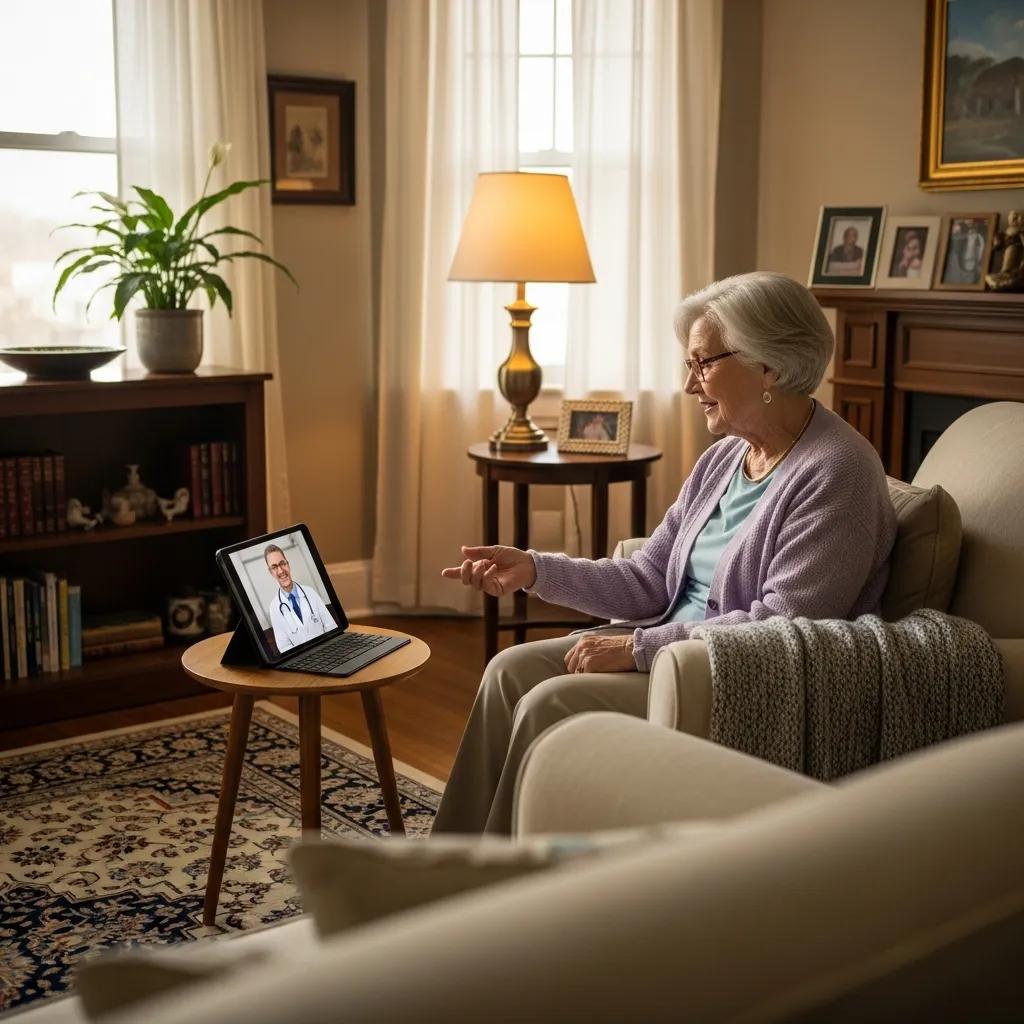
Telehealth services significantly enhance personalized care for seniors by providing flexible and accessible healthcare options. These services allow patients to consult with healthcare providers from the comfort of their homes, reducing the need for travel and minimizing exposure to potential health risks. Telehealth not only improves access to care but also fosters better patient engagement through regular communication and follow-ups.
While telehealth offers numerous benefits, understanding the perceptions and challenges faced by elderly patients, their caregivers, and healthcare providers is crucial for its optimal implementation.
Telehealth for Elderly Patients: Perceptions & Challenges
In the context of the ongoing COVID-19 pandemic, rapid transitions have been made towards telehealth. Optimal use of telehealth in elderly patients remains poorly understood and adaptation challenges persist. Our study aimed at identifying perceptions, barriers, and possible facilitators to telehealth use amongst elderly patients with comorbidities, their caregivers, and health-care providers (HCPs).
Personalized telehealth: Redesigning complex care delivery for the 65+ during the COVID pandemic: A survey of patients, caregivers, and health-care providers, 2023
What Benefits Do Virtual Doctor Visits Offer to Elderly Patients?
Virtual doctor visits offer several key benefits for elderly patients:
- Convenience: Seniors can attend appointments from home, eliminating travel difficulties.
- Timely Care Access: Consultations can address health concerns without unnecessary delays.
- Continuity of Care: Regular virtual check-ins help maintain ongoing health management.
These advantages make telehealth an invaluable resource for seniors, ensuring they receive timely and effective care.
How Does Telehealth Ensure Continuous Monitoring and Support?
Telehealth ensures continuous monitoring and support through various methods:
- Virtual Follow-Ups: Regular online appointments allow for ongoing assessment of health conditions.
- Remote Monitoring of Chronic Conditions: Patients can use devices to track vital signs and share data with their healthcare providers.
- Regular Check-Ins: Scheduled virtual visits help maintain stability in patients’ health management.
This continuous support is crucial for seniors, as it helps in managing chronic conditions effectively.
What Are the Advantages of Remote Patient Monitoring Devices in Home Care?
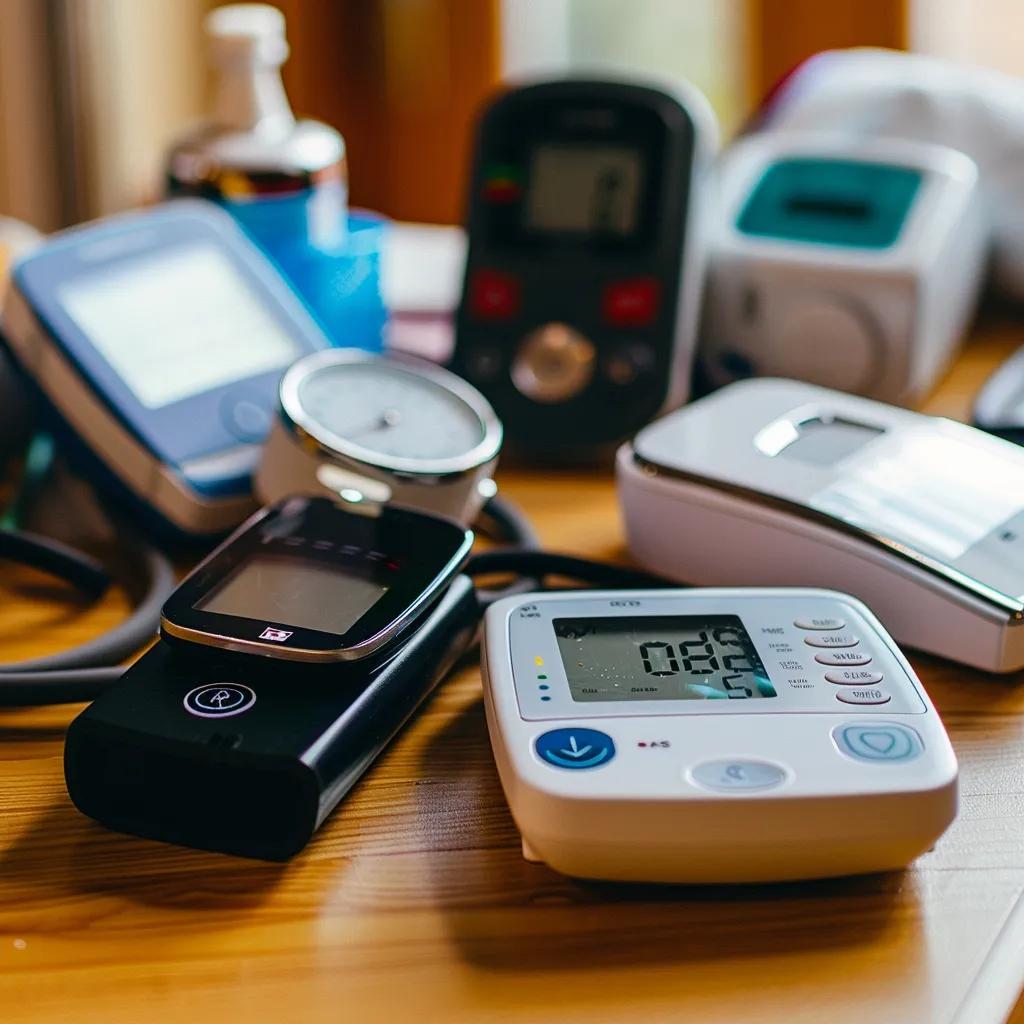
Remote patient monitoring devices offer numerous advantages in home care settings, particularly for seniors. These devices enhance accessibility to healthcare services, allowing patients to receive timely medical attention without the need for frequent hospital visits. By facilitating real-time health data transmission, these devices contribute to improved health outcomes and overall safety for patients.
The potential of remote patient monitoring extends significantly, particularly in models like ‘hospital at home,’ where it can enhance patient eligibility, safety, and cost-effectiveness.
Remote Patient Monitoring for Hospital at Home Care
Remote patient monitoring (RPM) has shown promise in aiding safe and efficient remote care for chronic conditions; however, its use remains more limited within the hospital at home (HaH) model of care despite a significant opportunity to increase patient eligibility, improve safety, and decrease costs.
The next frontier of remote patient monitoring: hospital at home, D Whitehead, 2023
Which Vital Signs Are Effectively Tracked by Advanced Monitoring Tools?
Advanced monitoring tools can effectively track several vital signs, including:
- Heart Rhythm Monitoring: Ensures that any irregularities are detected promptly.
- Blood Pressure Tracking: Helps manage hypertension and other cardiovascular issues.
- Blood Glucose Monitoring: Assists in managing diabetes and preventing complications.
These capabilities enable healthcare providers to make informed decisions based on accurate and timely data.
How Do Remote Devices Improve Health Outcomes and Safety?
Remote devices improve health outcomes and safety in several ways:
- Continuous Health Monitoring: Regular tracking of vital signs allows for early detection of potential health issues.
- Timely Adjustments to Treatment Plans: Data-driven insights enable healthcare providers to modify treatments as needed.
- Empowerment of Patients: Patients gain a sense of control over their health through active participation in monitoring.
This proactive approach to health management significantly enhances patient safety and well-being.
How Do Smart Medication Management Systems Enhance Adherence and Wellness?
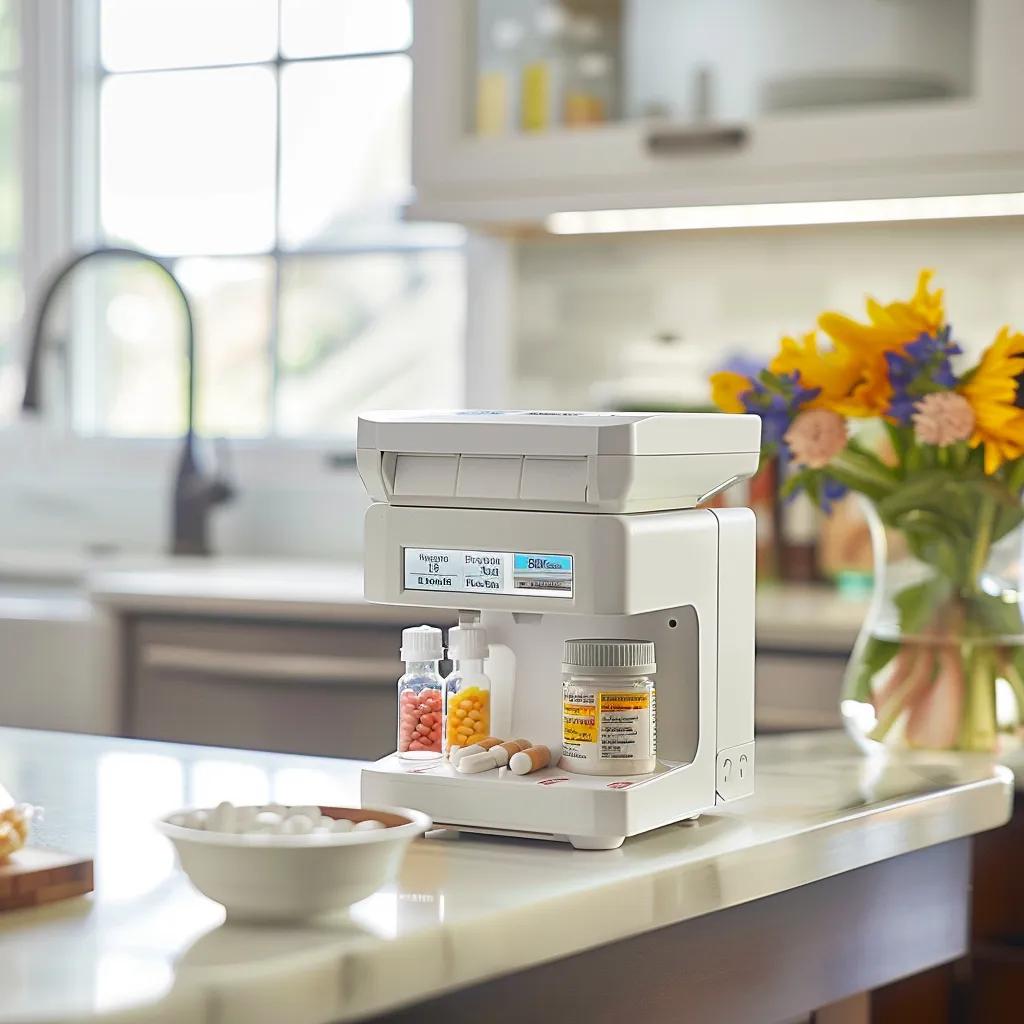
Smart medication management systems play a crucial role in enhancing medication adherence and overall wellness for seniors. These systems are designed to simplify the medication-taking process, ensuring that patients follow their prescribed regimens accurately. By integrating technology into medication management, these systems help reduce errors and promote compliance.
Sophisticated smart medication adherence products are specifically designed to address the unique challenges seniors face in managing complex medication regimens, offering automated dispensing, real-time tracking, and timely reminders.
Smart Medication Adherence for Seniors: Features & Benefits
Older adults often face challenges in self-managing their medication owing to physical and cognitive limitations, complex medication regimens, and packaging of medications. Emerging smart medication dispensing and adherence products (SMAPs) offer the options of automated dispensing, tracking medication intake in real time, and reminders and notifications.
Key features of smart medication adherence products: updated scoping review, S Faisal, 2023
What Features Define Sophisticated Medication Dispensers for Seniors?
Sophisticated medication dispensers for seniors typically include several key features:
- Personalized Care Options: Customizable settings allow for tailored medication schedules.
- Convenience for Seniors: Easy-to-use interfaces simplify the medication-taking process.
- Safety Features to Reduce Errors: Alerts and reminders help prevent missed doses or incorrect medications.
These features are essential for supporting seniors in managing their medications effectively.
How Does Technology Reduce Medication Errors and Promote Compliance?
Technology reduces medication errors and promotes compliance through various mechanisms:
- Thorough Medication Reconciliation: Ensures that all medications are accurately tracked and managed.
- Continuous Communication with Providers: Facilitates real-time updates and adjustments to medication plans.
- Empowerment Through Health Management: Patients are encouraged to take an active role in their health, leading to better adherence.
By leveraging these technological advancements, healthcare providers can significantly enhance medication safety and effectiveness.
In What Ways Do Home Safety Technologies and Caregiver Support Apps Foster Secure Living?
Home safety technologies and caregiver support apps are vital in fostering secure living environments for seniors. These innovations enhance convenience and communication, ensuring that seniors can live independently while receiving the necessary support. By integrating technology into daily living, these solutions help detect potential health issues early and facilitate seamless assistance from caregivers.
Which Innovative Devices Ensure Senior Safety Within Their Residences?
- Mobile Health Applications: Allow for easy access to health information and emergency contacts.
- Remote Monitoring Devices: Track health metrics and alert caregivers to any concerning changes.
- Emergency Response Systems: Provide immediate access to help in case of emergencies.
These devices collectively contribute to a safer living environment for seniors.
How Do Caregiver Support Technologies Facilitate Seamless Assistance?
Caregiver support technologies facilitate seamless assistance by:
- Integration of Telemedicine: Enables caregivers to consult with healthcare providers on behalf of their patients.
- Streamlined Care Delivery: Improves coordination among multiple caregivers and healthcare professionals.
- Support for Complex Health Situations: Provides resources and tools to manage intricate health needs effectively.
These technologies empower caregivers to deliver high-quality support, enhancing the overall care experience for seniors.



Leave a Reply
Your email is safe with us.
You must be logged in to post a comment.