

How to Be Your Own Health Advocate
Being your own health advocate means taking an active role in your healthcare decisions and ensuring that your needs and preferences are prioritized. This approach empowers individuals to navigate the complexities of the healthcare system effectively. By understanding your rights, communicating effectively with healthcare providers, and making informed medical decisions, you can significantly enhance your health outcomes. Many patients struggle with feeling unheard or overwhelmed in medical settings, but by adopting advocacy strategies, you can ensure that your voice is heard. This article will explore essential patient rights, effective communication techniques, key steps for informed decision-making, and how personalized mobile medical services can enhance your advocacy efforts.
What Are Your Essential Patient Rights in Healthcare?
Understanding your rights as a patient is crucial for effective health advocacy. Patients have fundamental rights that protect their autonomy and ensure they receive quality care. These rights include:
- Privacy and Confidentiality: Patients have the right to keep their medical information private and secure.
- Access to Medical Records: Patients can request and review their medical records to stay informed about their health, usually within 30 days as mandated by HIPAA regulations in the U.S.
- Informed Decision-Making: Patients have the right to receive clear information about their treatment options and to make decisions regarding their care.
These rights form the foundation of patient advocacy, allowing individuals to engage actively in their healthcare journey.
How Can You Communicate Effectively with Your Doctors?

Effective communication with healthcare providers is essential for successful health advocacy. Here are some strategies to enhance your interactions:
Research consistently highlights the profound impact of strong patient-provider communication on overall health outcomes and patient satisfaction.
Enhancing Health Outcomes Through Patient-Provider Communication
Communication between healthcare providers and their patients influences information that is gathered from patients, informs an understanding and conceptualization of their illness, and provides a foundation for the collaborative work that patients and providers will engage in around disease management. Effective and meaningful patient-provider communication is a foundation of healthcare and is associated with improved health outcomes, better patient rapport, reduced health service utilization, and overall patient and provider satisfaction.
Patient-provider communication and interactions, 2023
- Preparation for Appointments: Before your visit, prepare a list of questions and concerns to discuss with your doctor. This ensures that you cover all important topics during your appointment.
- Open Dialogue: Foster an environment of open communication by expressing your thoughts and feelings honestly. This helps build trust and encourages your provider to listen actively.
- Utilizing Technology: Leverage telehealth options and patient portals to communicate with your healthcare team conveniently. These tools can facilitate ongoing discussions and follow-ups.
Strategies for Clear and Respectful Medical Conversations
Clear and respectful communication is vital in healthcare settings. Here are some effective strategies:
- Active Listening: Pay close attention to your provider’s explanations and ask clarifying questions if needed. This demonstrates your engagement and helps ensure you understand the information provided.
- Expressing Concerns: If you have reservations about a treatment plan, voice your concerns respectfully. This can lead to a more tailored approach to your care.
- Collaborative Decision-Making: Work together with your healthcare provider to create a treatment plan that aligns with your preferences and values.
Questions to Ask for Personalized and Informed Care
To ensure you receive personalized care, consider asking the following questions during your appointments:
- What are the different types of services offered, and how do they align with my health goals?
- How can we tailor my healthcare plan to address my specific needs and preferences?
- What are the potential risks and benefits of the proposed treatments?
These questions can help you gain a deeper understanding of your options and empower you to make informed decisions.
What Are the Key Steps to Making Informed Medical Decisions?
Making informed medical decisions involves several critical steps that enhance your ability to advocate for your health:
Central to effective health advocacy is the concept of shared decision-making, where patients are empowered to actively participate in their treatment choices.
Patient Empowerment & Shared Decision-Making in Healthcare
Shared decision-making, central to evidence-based medicine and good patient care, begins and ends with the patient. It is the process by which a clinician and a patient jointly make a health decision after discussing options, potential benefits and harms, and considering the patient’s values and preferences. Patient empowerment is crucial to shared decision-making and occurs when a patient accepts responsibility for his or her health.
Shared decision-making and patient empowerment in preventive cardiology, 2016
- Preparation and Gathering Information: Research your condition and treatment options to make informed choices. Utilize reputable sources and consult with healthcare professionals.
- Open Communication with Providers: Engage in discussions with your healthcare team about your findings and preferences. This collaborative approach fosters a better understanding of your options.
- Understanding Coverage: Familiarize yourself with your insurance coverage and any potential out-of-pocket costs associated with different treatment options. This knowledge can influence your decision-making process.
By following these steps, you can navigate the healthcare landscape more effectively and advocate for your best interests.
Membership Benefits and Health Empowerment
Joining patient advocacy programs can provide additional resources and support. These programs often offer educational materials, access to healthcare professionals, and community support, enhancing your ability to make informed decisions. By participating in such programs, you can further empower yourself in your healthcare journey.
How Do Personalized Mobile Medical Services Enhance Patient Advocacy?
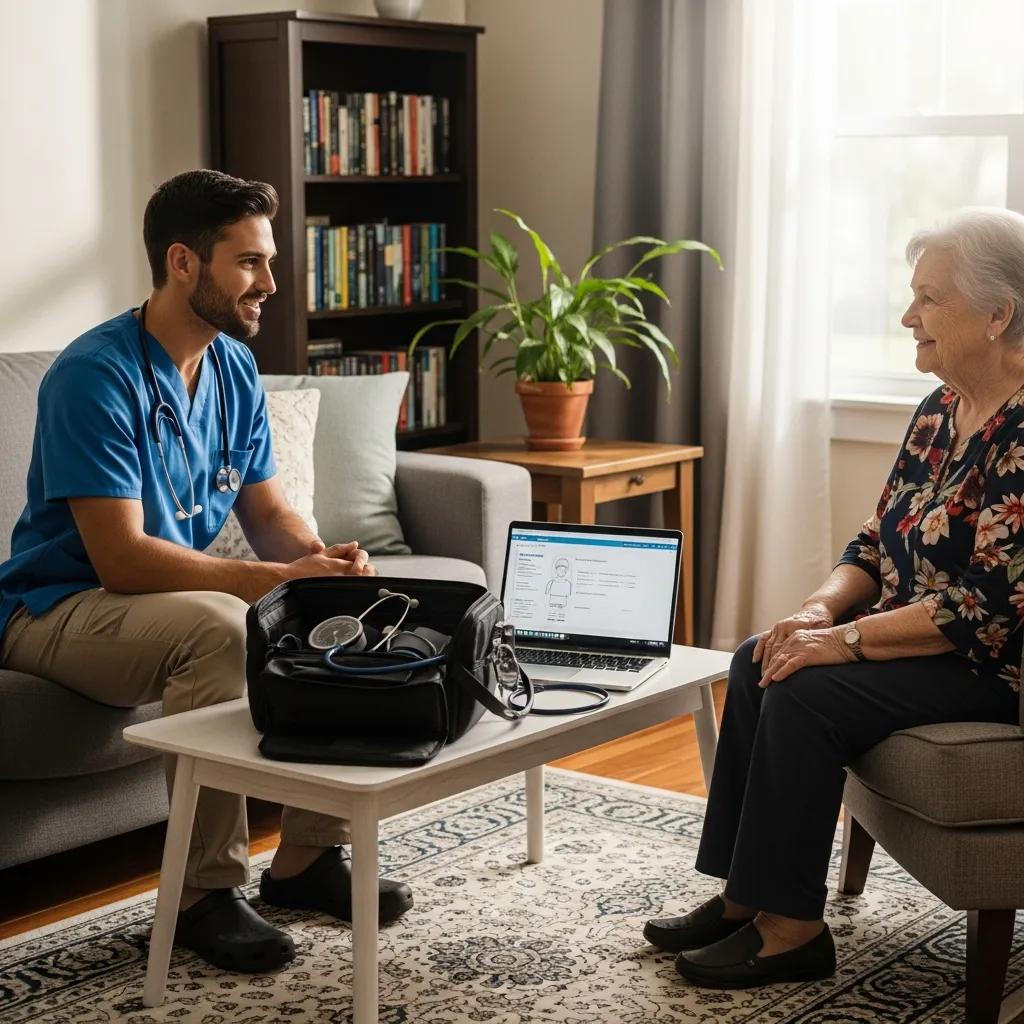
Personalized mobile medical services play a significant role in supporting patient advocacy. These services offer convenient access to healthcare professionals in the comfort of your home or preferred location. This approach allows for:
- Convenience of Mobile Services: Patients can receive care without the need to travel, making it easier to manage appointments and follow-ups.
- Personalized Care: Mobile medical providers often take the time to understand individual patient needs, leading to more tailored treatment plans.
- Direct Access to Healthcare Providers: Patients can communicate directly with their healthcare team, fostering a collaborative relationship that enhances advocacy efforts.
Desert Mobile Medical exemplifies this approach by providing personalized mobile healthcare services in Phoenix, Scottsdale, and Paradise Valley, Arizona. Their commitment to empowering patients aligns with the principles of health advocacy, ensuring that individuals receive the care they need in a supportive environment.





Leave a Reply
Your email is safe with us.
You must be logged in to post a comment.