
Desert Hiking Medical Kit Essentials for Arizona: Your Guide to Personalized Safety and Wellness
Hiking in the Arizona desert presents unique challenges, particularly concerning health and safety. Understanding the essential medical supplies needed for desert hiking can significantly enhance your outdoor experience. This guide will delve into the critical components of a desert hiking medical kit, focusing on hydration, heat exhaustion prevention, and emergency preparedness. Additionally, we will explore how personalized medical services can further enhance safety for hikers in Phoenix and surrounding areas. By the end of this article, you will be equipped with the knowledge to assemble a comprehensive medical kit and understand the benefits of tailored medical services for outdoor enthusiasts.
What Are the Essential First Aid Supplies for Arizona Desert Hiking?
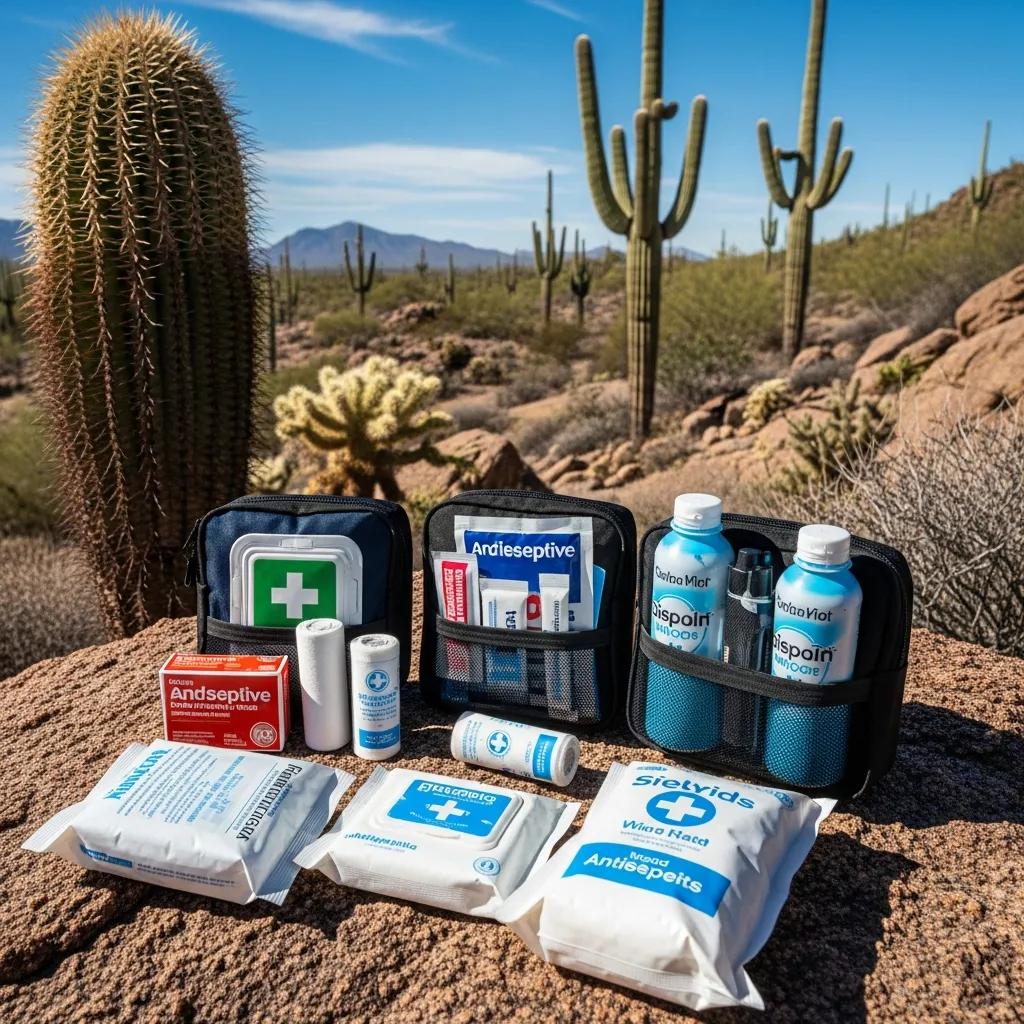
When preparing for a hike in the Arizona desert, having the right first aid supplies is crucial. Essential items include:
- Adhesive Bandages: For minor cuts and scrapes, adhesive bandages are a must-have to protect wounds from dirt and infection.
- Antiseptic Wipes: These are vital for cleaning wounds before applying bandages, reducing the risk of infection.
- Hydration Supplies: Given the extreme heat, hydration supplies such as electrolyte tablets and water purification systems are essential to prevent dehydration.
- Pain Relievers: Over-the-counter pain relievers can help manage headaches or muscle aches that may arise during your hike.
- Emergency Blanket: Lightweight and compact, an emergency blanket can provide warmth in case of unexpected weather changes or cold desert nights.
These supplies form the backbone of a reliable first aid kit, ensuring that you are prepared for common injuries and health issues encountered on desert trails.
Further research supports the development of evidence-based medical kits specifically tailored for challenging desert environments.
Evidence-Based Medical Kits for Desert Environments
recommendations for an evidence-based medical kit. The authors also discuss the applicability of these recommendations to other environments such as desert, jungle and maritime.
Mountain medical kits: epidemiology-based recommendations and analysis of medical supplies carried by mountain climbers in Colorado, BW Locke, 2017
Which Items Address Heat Exhaustion and Dehydration Risks?
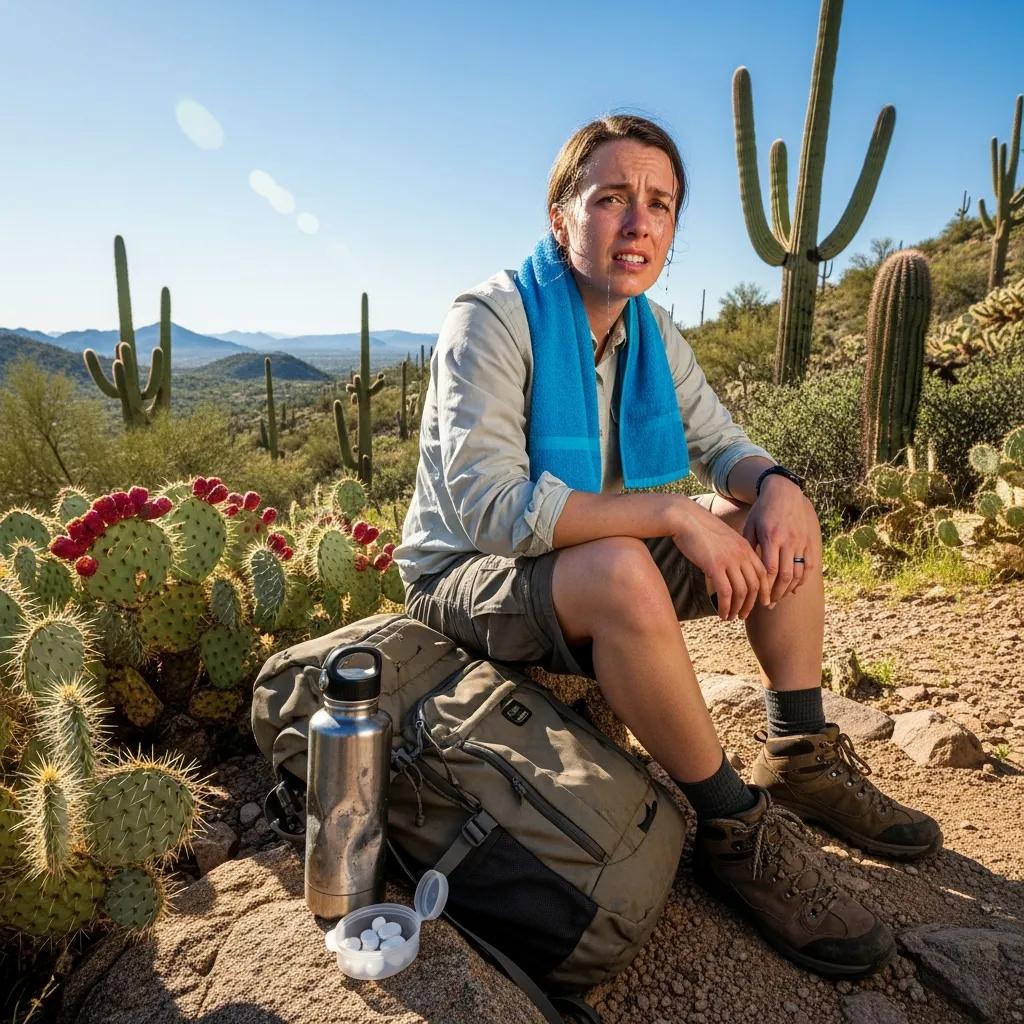
Heat exhaustion and dehydration are significant risks for hikers in the Arizona desert. To combat these issues, consider including the following items in your medical kit:
- Electrolyte Tablets: These can be dissolved in water to replenish essential minerals lost through sweat, helping to maintain hydration levels.
- Reusable Water Bottles: Carrying a sufficient supply of water is crucial. Opt for insulated bottles to keep your water cool.
- Cooling Towels: These towels can be soaked in water and worn around the neck to help regulate body temperature during hot hikes.
Understanding the severe impact of environmental factors on heat-related health risks in urban desert regions like Arizona further emphasizes the importance of these preventative measures.
Heat-Associated Mortality Risks in Arizona’s Urban Desert
The troubling trend of rising heat-associated mortalities in an urban desert region (Maricopa County, AZ, USA) has motivated us to explore the extent to which environmental factors may contribute to increased heat-health risks.
Impact of environmental factors on heat-associated mortalities in an urban desert region, RA Braun, 2022
Desert Mobile Medical offers hydration therapy options that can be beneficial for hikers, ensuring they stay hydrated and healthy while exploring the trails.
How to Assemble a Comprehensive Emergency Survival Kit for Desert Trails?
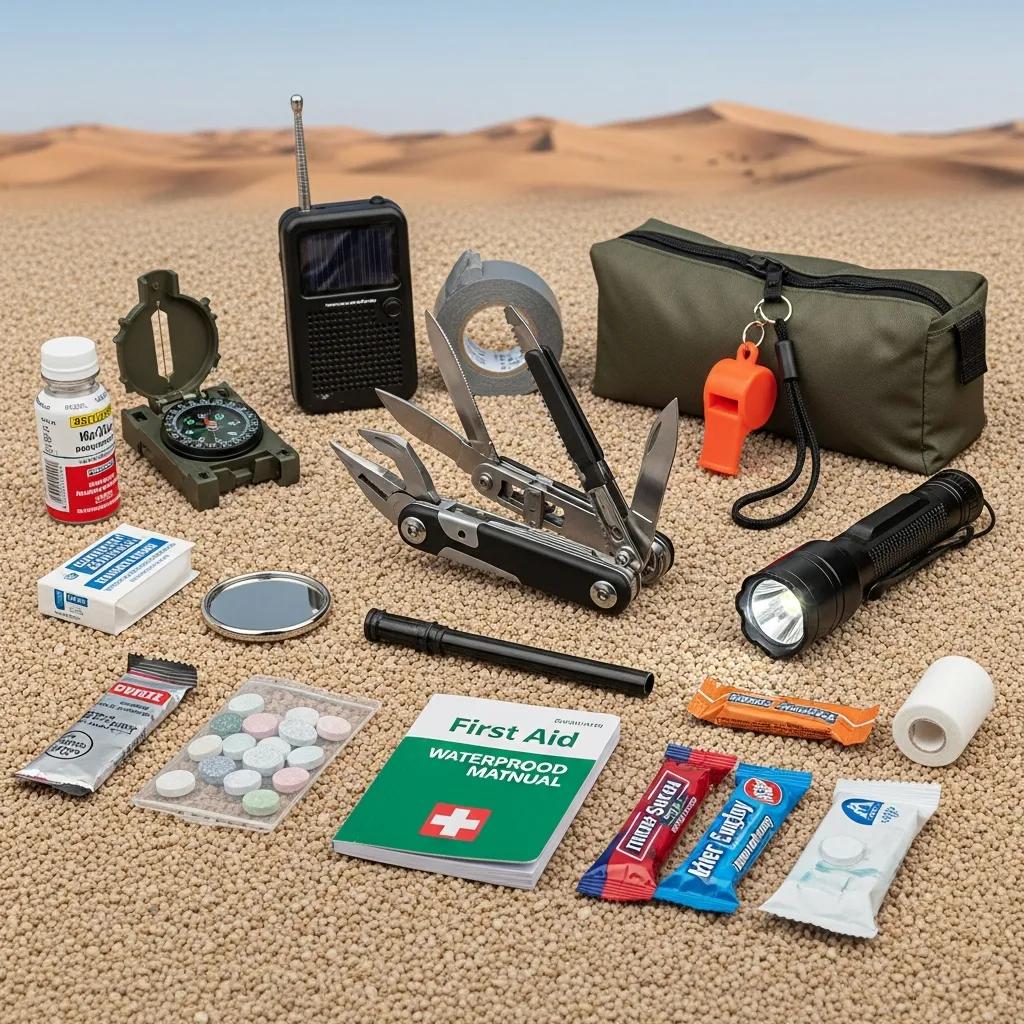
Creating a comprehensive emergency survival kit for desert hiking involves selecting items that can address a variety of potential situations. Key components include:
- Multi-tool or Swiss Army Knife: This versatile tool can assist in various tasks, from opening packages to making repairs.
- Flashlight with Extra Batteries: A reliable light source is essential for navigating after dark or during emergencies.
- First Aid Manual: A guide can provide critical information on how to handle injuries or medical emergencies in the field.
- Whistle: A whistle can be a lifesaver in emergencies, allowing you to signal for help without exhausting your voice.
By assembling these items, you can ensure that you are well-prepared for unexpected situations while hiking in the desert.
How Do Personalized Medical Services Enhance Desert Hiking Safety in Phoenix?
Personalized medical services play a vital role in enhancing the safety of hikers in Phoenix and surrounding areas. These services offer tailored healthcare solutions that cater to the unique needs of outdoor enthusiasts.
What Membership Benefits Support Active and Mobility-Challenged Hikers?
Desert Mobile Medical provides several membership benefits designed to support both active and mobility-challenged hikers. These include:
- Convenience of Services: Members can access medical services tailored to their specific needs, ensuring they receive appropriate care.
- Personalized Care Options: Services are customized based on individual health profiles, which is particularly beneficial for those with pre-existing conditions.
- Telemedicine Services: Members can consult with healthcare professionals remotely, providing immediate assistance without the need to travel.
The effectiveness of telemedicine in managing patient care during remote expeditions, including those in desert environments, has been well-documented.
Telemedicine for Patient Management in Remote Desert Expeditions
reviewed journals concerning telemedicine and its contribution to patient management on expeditions in remote and austere environments. Studies concerning mountainous, jungle, or desert environments were included.
Telemedicine for patient management on expeditions in remote and austere environments: a systematic review, M Wilkes, 2014
These benefits ensure that all hikers, regardless of their physical capabilities, can enjoy the desert safely.
How Does On-Demand Medical Care Integrate with Hiking Emergency Preparedness?
On-demand medical care is an essential component of hiking emergency preparedness. This service allows hikers to receive prompt medical attention for non-life-threatening conditions encountered on the trails.
- Immediate Care Access: Hikers can quickly connect with medical professionals for advice or treatment, reducing the risk of complications from minor injuries.
- Preventing Escalation of Minor Issues: By addressing health concerns early, hikers can avoid more severe problems that could arise from untreated injuries or illnesses.
This integration of on-demand medical care into hiking safety protocols enhances the overall experience for outdoor enthusiasts.
Where Can You Find Scottsdale and Phoenix Outdoor Medical Kits Tailored for Desert Conditions?
Finding outdoor medical kits specifically designed for desert conditions is crucial for ensuring safety while hiking. Desert Mobile Medical offers a range of medical kits that cater to the unique challenges of the Arizona desert.
What Features Distinguish High-End Hiking Safety Gear in Arizona?
High-end hiking safety gear typically includes features that enhance durability and functionality, such as:
- Water-Resistant Materials: Ensures that gear remains functional even in unexpected weather conditions.
- Lightweight Design: Reduces the burden on hikers, making it easier to carry essential supplies.
- Integrated Safety Features: Some gear includes built-in first aid kits or emergency signaling devices.
These features are essential for ensuring that hikers are well-equipped to handle the demands of desert hiking.
How to Choose Medical Kits Adapted for Mobility Challenges and Desert Terrain?
Selecting medical kits that cater to mobility challenges and desert terrain involves considering several factors:
- Range of Services Included: Ensure the kit covers a wide array of potential injuries and health issues.
- Accessibility and Transportability: Kits should be easy to carry and accessible for individuals with mobility challenges.
- Personalized Care Options: Look for kits that offer tailored solutions based on individual health needs.
When selecting a medical kit, consider these criteria to ensure it meets the specific requirements of desert hiking.
What Are the Best Practices for Emergency Preparedness and Response on Arizona Desert Trails?
Effective emergency preparedness is crucial for ensuring safety while hiking in the Arizona desert. Implementing best practices can significantly enhance your ability to respond to emergencies.
Which Protocols Ensure Rapid and Effective Medical Assistance?
To ensure rapid and effective medical assistance, consider the following protocols:
- Telemedicine Consultations: Utilize telemedicine services to receive immediate guidance from healthcare professionals.
- Mobile Medical Services: Engage with services that can provide on-site assistance for injuries or health issues encountered on the trail.
- Safety Protocols for In-Home Services: Familiarize yourself with protocols that can be applied in emergency situations, ensuring a swift response.
These protocols are essential for maintaining safety and ensuring that help is readily available when needed.
How to Use Communication Devices and Medical Kits During Desert Emergencies?
Using communication devices and medical kits effectively during desert emergencies can make a significant difference in outcomes. Here are some practical tips:
- Keep Communication Devices Charged: Ensure that your phone or other communication devices are fully charged before heading out.
- Familiarize Yourself with Your Medical Kit: Know the contents of your medical kit and how to use each item effectively.
- Establish a Communication Plan: Share your hiking plans with someone who can check on you if you do not return as expected.
By following these tips, you can enhance your preparedness for emergencies while hiking in the desert.



Leave a Reply
Your email is safe with us.
You must be logged in to post a comment.