Emergency Medical Preparedness in the Arizona Desert: Essential Strategies for Desert Emergency Medical Services in Phoenix
Emergency medical preparedness in the Arizona desert is crucial due to the unique environmental challenges that can lead to serious health risks. This article will explore essential strategies for ensuring safety and effective medical response in this harsh landscape. Readers will learn about recognizing and preventing heat-related illnesses, the benefits of personalized mobile medical services, and the critical items needed for an emergency preparedness checklist. Understanding these aspects can significantly enhance safety during outdoor activities and ensure timely medical assistance when needed.
How Can You Recognize and Prevent Heat Stroke in the Arizona Desert?
Heat stroke is a severe condition that can occur in the extreme temperatures of the Arizona desert. It happens when the body overheats, often due to prolonged exposure to high temperatures or strenuous activity. Recognizing the signs early and implementing prevention strategies can save lives. Staying hydrated and taking breaks in shaded areas are vital to preventing heat-related illnesses.
What Are the Early Signs and Symptoms of Heat Exhaustion and Heat Stroke?
Early signs of heat exhaustion include heavy sweating, weakness, dizziness, and nausea. If these symptoms are not addressed, they can escalate to heat stroke, characterized by a high body temperature (above 103°F or 39.4°C), confusion, and loss of consciousness. Understanding these symptoms is essential for anyone spending time outdoors in the desert.
Which Proven Heat Stroke Prevention Techniques Are Vital for Desert Safety?
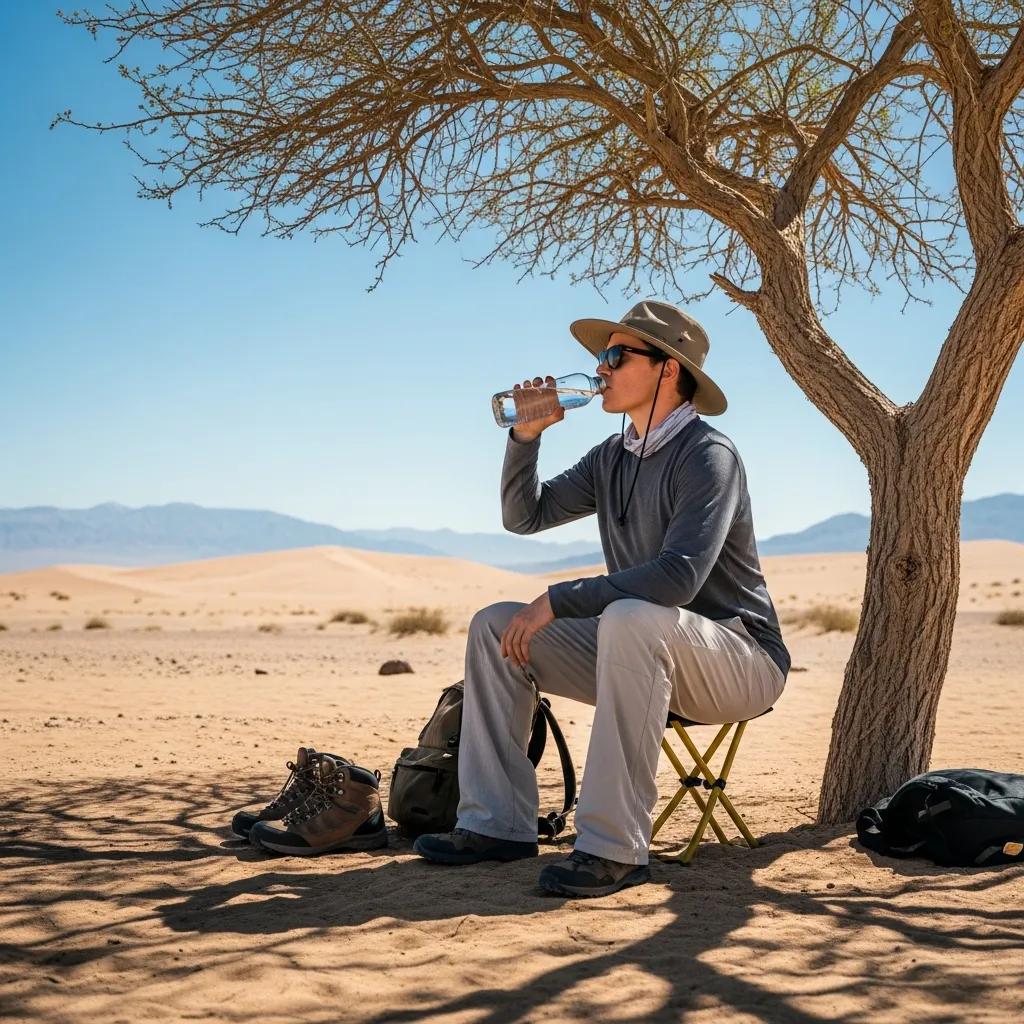
To prevent heat stroke, individuals should adopt several strategies:
- Stay Hydrated: Drink plenty of water before, during, and after outdoor activities.
- Wear Appropriate Clothing: Light-colored, loose-fitting, and breathable clothing helps keep the body cool.
- Take Breaks: Regularly rest in shaded or air-conditioned areas to lower body temperature.
- Avoid Peak Heat: Limit outdoor activities during the hottest hours of the day, typically between 10 a.m. and 4 p.m.
Implementing these techniques can significantly reduce the risk of heat-related illnesses in the desert.
Arizona Desert Medical Emergency Prep Tips: Desert Mobile Medical, PLC
Personalized mobile medical services offer numerous advantages, particularly in emergency and routine healthcare situations. These services provide convenience, allowing patients to receive care in the comfort of their homes or other preferred locations. Additionally, healthcare professionals can assess each client’s needs in their own environment, ensuring personalized treatment. This approach is especially beneficial for busy individuals, elderly patients, or those with mobility challenges who may struggle to find time or means for traditional medical appointments.
Which Essential Items Should Your Emergency Preparedness Checklist for Arizona Include?

An effective emergency preparedness checklist is vital for anyone venturing into the Arizona desert. Essential items should include:
- First Aid Supplies: Bandages, antiseptics, and other medical supplies for treating injuries.
- Hydration Packs or Bottled Water: To ensure access to water during outdoor activities.
- Sunscreen: Protects against harmful UV rays, preventing sunburn and heat-related illnesses.
What Are the Must-Have Components of a Desert-Specific Emergency Medical Kit?
A desert-specific emergency medical kit should contain:
- First Aid Supplies: Essential for treating minor injuries and preventing infections.
- Hydration Packs or Water Containers: Critical for maintaining hydration in the heat.
- Emergency Blankets: Useful for warmth in case of sudden temperature drops, especially at night.
These components are crucial for ensuring safety and preparedness in the desert environment.
Understanding the critical components of an emergency medical kit is further enhanced by insights into evidence-based wilderness medicine practices.
Wilderness Medical Kits & Heat Illness Treatment
ABSTRACT: AbstractWilderness medicine is plagued by myths and dogmatic teachings not supported by evidence. This article focuses particularly on those teachings and tools that would be most likely used in archaeological fieldwork. It lays out 10 of the most common and concerning myths taught in wilderness medicine and wilderness emergency medical services, both in terms of first aid and preparation of medical kits. The myths described are provide a structure for the main purpose of the article: to explain interventions and medical kit contents that are more evidence based and supported by modern understandings of wilderness medicine and fieldwork risk management. The list of top 10 myths includes (1) the use of medications other than epinephrine for anaphylaxis and (2) the availability and proper use of epinephrine auto-injectors, (3) the use of suction devices and tourniquets for snakebites, (4) the use of spinal immobilization for neck injuries, (5) the identification and treatment of heat ill
Ten myths about medical emergencies and medical kits, SC Hawkins, 2021
How Can Outdoor First Aid Tips Improve Safety During Arizona Desert Activities?
Outdoor first aid tips can significantly enhance safety during desert activities. Key practices include:
- Using Sunscreen: Apply sunscreen with at least SPF 30 regularly to protect against sunburn.
- Staying Hydrated: Drink water frequently to prevent dehydration.
- Recognizing Symptoms: Be aware of heat exhaustion and heat stroke symptoms to act quickly.
Implementing these tips can help individuals enjoy their outdoor experiences while minimizing health risks.
Where Can You Access Trusted Desert Emergency Medical Services and Clinics in Phoenix?
Accessing reliable emergency medical services is essential for safety in the Arizona desert. Various clinics and mobile services are available throughout Phoenix, providing timely medical assistance. These services are particularly valuable in emergencies, ensuring that help is just a call away.
What Distinguishes Desert Mobile Medical from Other Phoenix Desert Medical Clinics?
Desert Mobile Medical stands out due to its physician-led home visits and on-site diagnostics. This personalized approach allows for immediate assessment and treatment, catering to the unique needs of patients in the desert environment. Their focus on mobile services ensures that individuals receive timely care without the need to travel.
How Do Local Clinics Address Unique Medical Challenges of the Arizona Desert?
Local clinics, including Desert Mobile Medical, address the unique medical challenges of the Arizona desert by offering mobile healthcare accessibility and utilizing telemedicine. These services are tailored to meet the specific needs of the community, ensuring that residents have access to quality medical care in a timely manner.