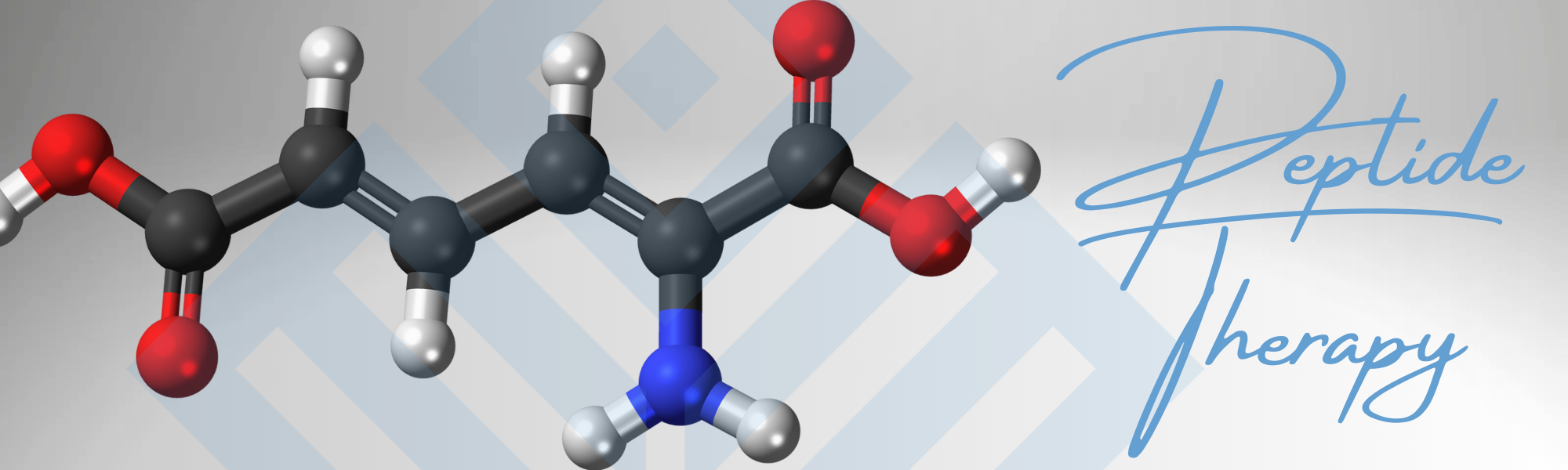
Peptide Therapy: Tiny Chains, Mighty Gains.
Optimize Your Health with Peptide Therapy – Desert Mobile Medical
Peptides are short chains of amino acids that act as signaling molecules in the body. They regulate critical processes ranging from healing and metabolism to muscle growth and inflammation. Because peptides mimic the body’s own chemical messengers, they are typically well‑tolerated and biologically compatible. Some, such as insulin and glucagon, are FDA‑approved hormones, while many others are under active investigation for applications in longevity, immune support and regenerative medicine. This pillar page explains what peptide therapy is, how different peptides work, their benefits and safety considerations, and who might benefit from these emerging treatments.
Peptides Explained: Protein Building Blocks – Desert Mobile Medical
-
Building blocks of proteins: Peptides are strings of amino acids; amino acids themselves combine to form proteins, which are essential for diverse bodily functions including immune responses, muscle contraction, metabolism, growth and sexual arousal. The human body requires 20 amino acids to function properly, but those 20 can combine in thousands of ways to create distinct peptides with unique biological roles.
-
Endogenous vs. exogenous: Some peptides occur naturally in the body (endogenous), while others are administered externally (exogenous). When exogenous peptides are used to treat or improve health, they are referred to as therapeutic peptides. Supplementing endogenous peptides with exogenous sources provides the body with additional resources to carry out specific functions.
-
Bioactive, synthetic and recombinant: Therapeutic peptides can be produced by extracting bioactive peptides from natural sources such as eggs, soy and dairy; by synthesizing short chains of amino acids in the laboratory (synthetic peptides, typically up to 50 amino acids); or by using recombinant DNA technology to create longer peptides. Some peptides, like collagen and the copper complex GHK‑Cu, are sufficiently small to be absorbed orally or through the skin.
How Therapeutic Peptides Work
Therapeutic peptides exert their effects through several mechanisms:
-
Receptor binding and signal transduction: Many peptides bind to specific cell‑surface or intracellular receptors, triggering cascade reactions that produce targeted physiological responses. Insulin and GLP‑1 analogs, for example, activate receptors that regulate blood glucose and promote satiety.
-
Enzyme inhibition: Some peptides mimic natural substrates and inhibit disease‑related enzymes, such as angiotensin‑converting enzyme (ACE) inhibitors and dipeptidyl peptidase‑4 inhibitors.
-
Direct cellular interactions and growth factor modulation: Peptides can interact directly with cell membranes, DNA or proteins to disrupt pathological processes or to deliver therapeutic cargo inside cells. Growth factor‑like peptides promote tissue repair and regeneration by stimulating cellular signaling pathways.
These mechanisms give peptides high specificity and potency compared with small‑molecule drugs. However, stability and delivery challenges remain; peptides can degrade quickly in the digestive tract, so most therapeutic peptides are administered via subcutaneous or intramuscular injection. Some, such as collagen and GHK‑Cu, have higher oral or topical bioavailability.
Categories of Peptide Therapy
Therapeutic peptides can be grouped by their primary health goals. Below is a high‑level overview of the main categories and representative peptides, along with research‑backed mechanisms and benefits.
1. Weight‑Loss Peptides (GLP‑1 Receptor Agonists)
GLP‑1 receptor agonists (GLP‑1 RAs) are peptides originally developed to treat diabetes. They also promote weight loss by slowing digestion and increasing feelings of fullness, which helps people eat fewer calories. Popular GLP‑1 RAs include semaglutide and tirzepatide. Clinical data show that tirzepatide may lead to greater weight loss than semaglutide, though both have robust evidence supporting their efficacy.
How they work: GLP‑1 RAs mimic the intestinal hormone GLP‑1, stimulating insulin release in a glucose‑dependent manner while slowing gastric emptying. The result is improved glycemic control and reduced appetite.
Potential benefits: Effective weight loss and improved metabolic health; may also lower cardiovascular risk for individuals with diabetes or obesity.
2. Body Recomposition & Muscle Growth Peptides
This category includes growth hormone secretagogues—peptides that stimulate the body’s production of growth hormone (GH). Increased GH leads to higher levels of insulin‑like growth factor 1 (IGF‑1), which promotes muscle protein synthesis and regulates body fat composition. Common peptides in this group include CJC‑1295, ipamorelin, sermorelin and tesamorelin. Tesamorelin is FDA‑approved for HIV‑associated lipodystrophy but is often prescribed off‑label for weight loss and muscle growth.
Other recomposition peptides: BPC‑157 and TB‑500 (thymosin β4) are experimental peptides used by some athletes to support tissue repair. Preliminary animal and limited human research suggests they may stimulate angiogenesis (formation of new blood vessels) and modulate inflammation, helping recovery from muscle strains or soft‑tissue injuries.
Potential benefits: Increased lean muscle mass, reduced body fat, faster recovery from workouts or injuries. Note that some peptides are restricted in competitive sports.
3. Longevity & General Wellness Peptides
These peptides target metabolism, immune function, sleep and overall quality of life. Examples include:
-
MOTS‑c: A mitochondrial peptide that may improve metabolic function and reduce inflammation.
-
Epitalon: A four‑amino‑acid peptide that may help preserve telomere length and regulate melatonin, potentially supporting longevity and immune strength.
-
DSIP (delta sleep‑inducing peptide): Promotes deeper sleep architecture and may modulate stress‑related neurochemicals. Better sleep is associated with improved cognitive resilience.
-
Thymosin alpha‑1: Supports immune function by stimulating T‑cell production and has been explored in chronic infections and cancer immunotherapy.
-
GHK‑Cu: A copper peptide complex that enhances skin firmness, reduces photodamage and promotes wound healing.
4. Cognitive Enhancement Peptides
Certain peptides show potential for improving memory, focus and mood. Selank and Semax have been shown to enhance learning and may support neuron survival. Pinealon may improve learning and memory in animal studies by modulating gene expression and neurotransmitters.
5. Sexual Function Peptides
Peptides like PT‑141 (bremelanotide) and oxytocin target sexual desire and function. PT‑141 is approved as Vyleesi for hypoactive sexual desire disorder in women; clinical trials have shown that it improves sexual desire and reduces distress. PT‑141 has also been tested in men with erectile dysfunction, where coadministration with sildenafil was considered viable. Oxytocin may play a role in sexual attraction, though evidence is mixed.
6. Skin, Gut & Healing Peptides
Topical peptides like Matrixyl and palmitoyl pentapeptide‑4 interact with skin fibroblasts to support collagen and elastin production, improving skin firmness, elasticity and hydration. Clinical data suggest that consistent use of peptide‑based skincare products can reduce fine lines and improve skin texture within 8–12 weeks. These peptides may also strengthen the skin barrier by increasing structural proteins such as filaggrin and involucrin.
For gut and tissue repair, BPC‑157 has demonstrated the ability to support intestinal tissue repair and maintain mucosal integrity in early research. A healthy gut lining promotes better nutrient absorption and overall metabolic health.
Potential Benefits of Peptide Therapy
Research into peptide therapy is ongoing, but early findings suggest broad potential benefits:
-
Improved skin health and anti‑aging: Peptides can stimulate collagen and elastin production, reduce inflammation and enhance skin barrier function.
-
Muscle growth and recovery: Growth hormone secretagogues and peptides like BPC‑157 may support muscle protein synthesis and accelerate tissue repair.
-
Immune support: Thymosin alpha‑1 stimulates T‑cell production and may enhance immune defense during chronic infections and cancer therapies.
-
Sleep quality and cognitive function: DSIP and Ipamorelin can promote deeper sleep and improved mood; cognitive peptides like Selank and Semax may enhance memory and learning.
-
Hormonal balance and reproductive health: Kisspeptin and Gonadorelin stimulate the release of luteinizing and follicle‑stimulating hormones, supporting natural testosterone and estrogen production.
-
Metabolic health and weight management: GLP‑1 RAs such as semaglutide and tirzepatide slow digestion, increase satiety and support weight loss; AOD‑9604 encourages fat metabolism without affecting blood sugar or IGF‑1 levels.
-
Gut integrity: BPC‑157 may repair intestinal tissues, aiding nutrient absorption and reducing inflammation.
Safety and Side Effects
Peptide therapy may be considered for adults seeking assistance with any of the following goals:
-
Weight loss and metabolic support – For individuals struggling with obesity or metabolic syndrome, GLP‑1 RAs and AOD‑9604 may help control appetite and promote fat metabolism.
-
Muscle growth and athletic performance – People aiming to build muscle or improve athletic recovery might benefit from growth hormone secretagogues, BPC‑157 or TB‑500.
-
Longevity and general wellness – MOTS‑c, Epitalon, DSIP and GHK‑Cu can target metabolic health, immune function, sleep quality and skin aging.
-
Chronic infections and immune dysfunction – Thymosin alpha‑1 has been studied for chronic hepatitis, HIV and as an adjunct in cancer immunotherapy.
-
Hormonal and reproductive health – Kisspeptin and Gonadorelin may be appropriate for men with low testosterone or women with menstrual irregularities.
-
Cognitive decline or mood disorders – Selank, Semax and Pinealon may support cognitive function and mood.
Peptide therapy is not recommended for pregnant or breastfeeding women, children, or individuals with uncontrolled cancer or severe liver/kidney disease. Athletes should verify whether a peptide is allowed in their sport, as some growth hormone–related peptides are banned in competition.
Administration & Protocols
Most therapeutic peptides are delivered via subcutaneous or intramuscular injections because they degrade in the digestive tract and have poor oral bioavailability. Injections are typically given two to three times per week, though schedules vary depending on the peptide and treatment goals. Some peptides, such as collagen and GHK‑Cu, may be taken orally or applied topically due to higher bioavailability.
For injectable peptides, the powder must be reconstituted with bacteriostatic water before use. Patients draw the correct amount of water into a syringe and inject it into the peptide vial without shaking the solution. The reconstituted peptide should be stored in a refrigerator at around 4 °C (39 °F) and used within about a month. Thin needles make injections relatively comfortable.
Desert Mobile Medical’s Approach to Peptide Therapy
At Desert Mobile Medical, we believe in personalized, physician‑supervised peptide therapy. Our concierge telemedicine program includes:
-
Comprehensive consultation: We evaluate your medical history, goals and lab results to determine if peptide therapy is appropriate.
-
Custom dosing: Each protocol is tailored to your needs, whether you’re seeking weight loss, muscle growth, immune support or general wellness.
-
Remote convenience: Appointments occur via telemedicine, and medications are shipped directly to your home.
-
Ongoing support: Dr. Paresh Goel and our care team monitor your progress and adjust dosing as needed.
To learn whether peptide therapy could benefit you, call (480) 269‑0550 or schedule a consultation through our website.
Frequently Asked Questions About Medical Weight Loss
Frequently Asked Questions (FAQ)
What is peptide therapy?
Answer: Peptide therapy involves using short chains of amino acids to regulate biological processes. Therapeutic peptides mimic natural hormones and signaling molecules to promote benefits like improved metabolism, immune function, muscle growth and anti‑aging.
Are peptides legal and FDA‑approved?
Answer: Some peptides, such as insulin and glucagon, are FDA‑approved hormones. Others, like semaglutide and tirzepatide, are FDA‑approved for diabetes and weight loss. Many peptides are still experimental, used off‑label or restricted to research settings. Always work with a licensed healthcare provider and ensure the peptide source complies with regulatory guidelines.
How are peptides administered?
Answer: Most therapeutic peptides are delivered via subcutaneous or intramuscular injections because they degrade in the digestive tract. Some smaller peptides (e.g., collagen, GHK‑Cu) can be taken orally or applied topically. Reconstitution with bacteriostatic water is typically required before injection, and reconstituted peptides should be stored in the refrigerator.
Are peptide therapies safe?
Answer: When medically supervised, peptide therapy is generally well‑tolerated. Common side effects include mild injection‑site reactions; other potential effects are increased appetite, water retention, joint pain, fatigue and hormonal imbalances. Overuse of growth hormone–related peptides may impair glucose control, so dosing must be carefully managed.
How quickly will I see results?
Answer: Results depend on the peptide type and individual factors. Weight‑loss peptides may produce noticeable changes within weeks to months. Skin and anti‑aging peptides often require 8–12 weeks of consistent use to see improvements in texture and elasticity. Muscle‑building peptides may show benefits over several weeks when combined with proper exercise and nutrition.
Who should not use peptide therapy?
Answer: Pregnant or breastfeeding women, children, individuals with uncontrolled cancer, severe liver or kidney disease, or those who cannot be medically monitored should avoid peptide therapy. Competitive athletes should verify compliance with anti‑doping regulations.
📍 Serving All of Phoenix & Surrounding Areas
Desert Mobile Medical proudly provides mobile weight loss services throughout the Valley, including: