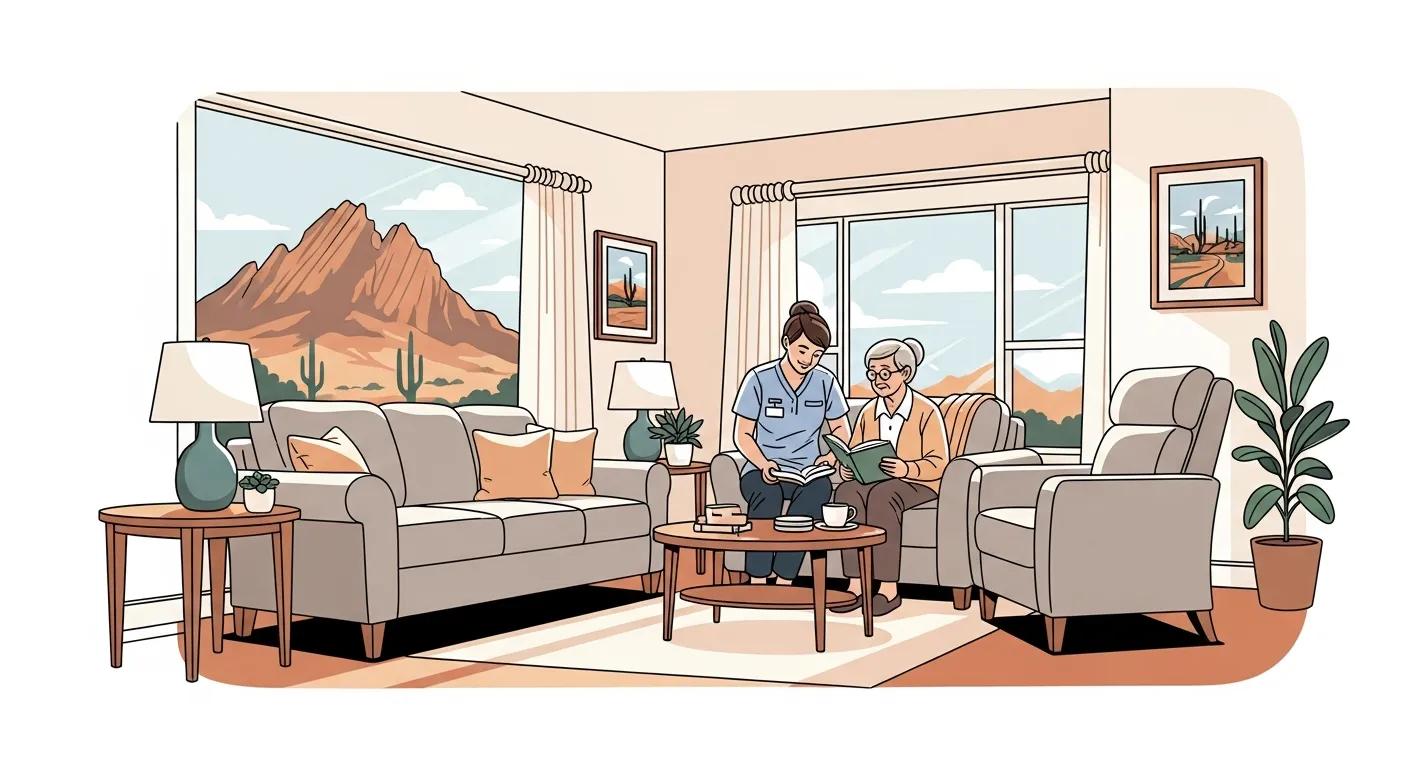
Mobile primary care delivers medical services at your home so care is more personal and easier to access. A clinical team; physicians, nurses, and other professionals; travels to patients to perform exams, manage chronic conditions, and handle urgent needs. The biggest advantage is improved access, especially for people with limited mobility or packed schedules.
Mobile primary care covers routine checkups, chronic disease management, preventive care, and some urgent visits. In‑home doctor services let patients avoid clinic trips; particularly helpful for older adults and those with disabilities. Seeing patients in their homes also helps clinicians understand daily routines and home environments, which leads to more practical, personalized treatment plans.
Convenience is a core benefit. You can schedule visits at times that suit you, avoid long waits, and skip the stress of travel. Patients who use mobile services often report higher satisfaction and better health outcomes because care is easier to follow and providers spend more time addressing concerns.
Concierge medicine focuses on highly personalized primary care and easier access to your clinician. Membership plans typically offer perks like longer appointments, direct communication with your physician, and a broader set of services designed to keep you healthy and supported.
Experts describe concierge medicine as a model of primary care built around individualized attention.
With concierge care, physicians take on fewer patients so they can spend more time with each person. That extra time lets clinicians build collaborative care plans tailored to your needs; helpful for managing complex conditions and improving long‑term outcomes.
Memberships often include 24/7 access to providers, proactive preventive care, and wellness support. Plans vary, so you can choose the level of service that fits your health needs and budget. Investing in a membership can make your care smoother, more responsive, and less stressful.
Mobile primary care teams in Mesa provide a broad range of services to meet everyday and ongoing needs; everything from routine exams to urgent assessments and chronic disease support.
Annual physicals help catch issues early. Sick visits bring timely treatment for acute illnesses without a clinic trip. Preventive services, vaccinations, screenings, and counseling, are part of keeping you well over the long term.
Providers deliver individualized care plans for diabetes, hypertension, heart disease, and other chronic conditions, with in‑home monitoring and adjustments as needed. Post‑hospital follow‑ups in the home support recovery, reduce readmission risk, and let clinicians see how care is working in your real environment.
Evidence supports in‑home care as an effective way to manage chronic illness and lower overall costs.
Booking a single mobile doctor visit is simple and fast, ideal when you need care without a long‑term commitment. It’s a good option for sudden illness, a required physical, or a post‑hospital check.
Choose a one‑time visit for acute symptoms, routine exams, or short‑term follow‑up after a hospital stay. It gives you flexible access to medical attention on your schedule.
Costs for one‑time visits vary by provider and services rendered. Ask about pricing and payment options when you book. Scheduling is usually quick—by phone or online—and staff will walk you through availability and what to expect during the visit.
Mobile primary care removes barriers like travel and long waits while delivering more focused, personalized attention. For many patients, that results in better adherence to care plans and improved health outcomes.
At home, patients are more comfortable and clinicians can take the time needed to address concerns fully. That personalized approach, combined with easier access, helps patients stay engaged with treatment and often leads to better results.
Local patients often praise the ease of scheduling, the thoroughness of in‑home visits, and the peace of mind that comes from care delivered where they live. Those stories highlight the practical benefits of mobile primary care for busy families and seniors alike.
As mobile care grows, people commonly ask how it works, how costs and insurance are handled, and how to get started. Below are answers to the most frequent questions.
Some mobile doctors accept insurance while others operate on a membership or fee‑for‑service basis. Always confirm coverage before your visit. Care coordination is usually handled by the mobile team, who communicate with specialists, pharmacies, and hospitals to keep your care seamless.
Getting started is straightforward: contact local mobile care providers to learn about services, membership levels, and scheduling. Have your medical history and a list of medications ready for the first visit so the clinician can complete a thorough assessment.
Mobile primary care is especially helpful for seniors, people with disabilities, and those with chronic health issues who need frequent care. It’s also a great fit for busy caregivers and working adults who need flexible appointment times without clinic waits.
Quality is maintained through team‑based care, up‑to‑date clinical training, and use of monitoring technology when appropriate. In‑home visits let providers see factors that affect health directly, which helps them tailor safer, more effective care plans.
Yes. Many mobile providers offer urgent visits for sudden illnesses or injuries that can be safely managed at home. Check each provider’s scope of urgent care services and escalation protocols for emergencies.
Bring a list of current medications (with dosages), a brief medical history, any recent discharge summaries, and a list of questions. Having this information ready helps your provider deliver a complete, efficient assessment.
Follow‑up plans vary by need and may include in‑person home visits, telehealth check‑ins, or coordinated care with specialists. Providers usually set reminders and check progress to keep treatment on track.
Yes. Many mobile primary care teams screen for mental health concerns, provide counseling or brief interventions, and refer to mental health specialists when needed. The home setting can make discussing emotional health more comfortable for many patients.
Mobile primary care in Mesa offers convenient, compassionate medical care that fits into your life. Whether you need one‑time urgent care, ongoing chronic‑disease management, or the deeper connection of a concierge membership, in‑home visits help you get practical, personalized care without the clinic. Reach out to local providers to see how mobile primary care can simplify and improve your healthcare experience.