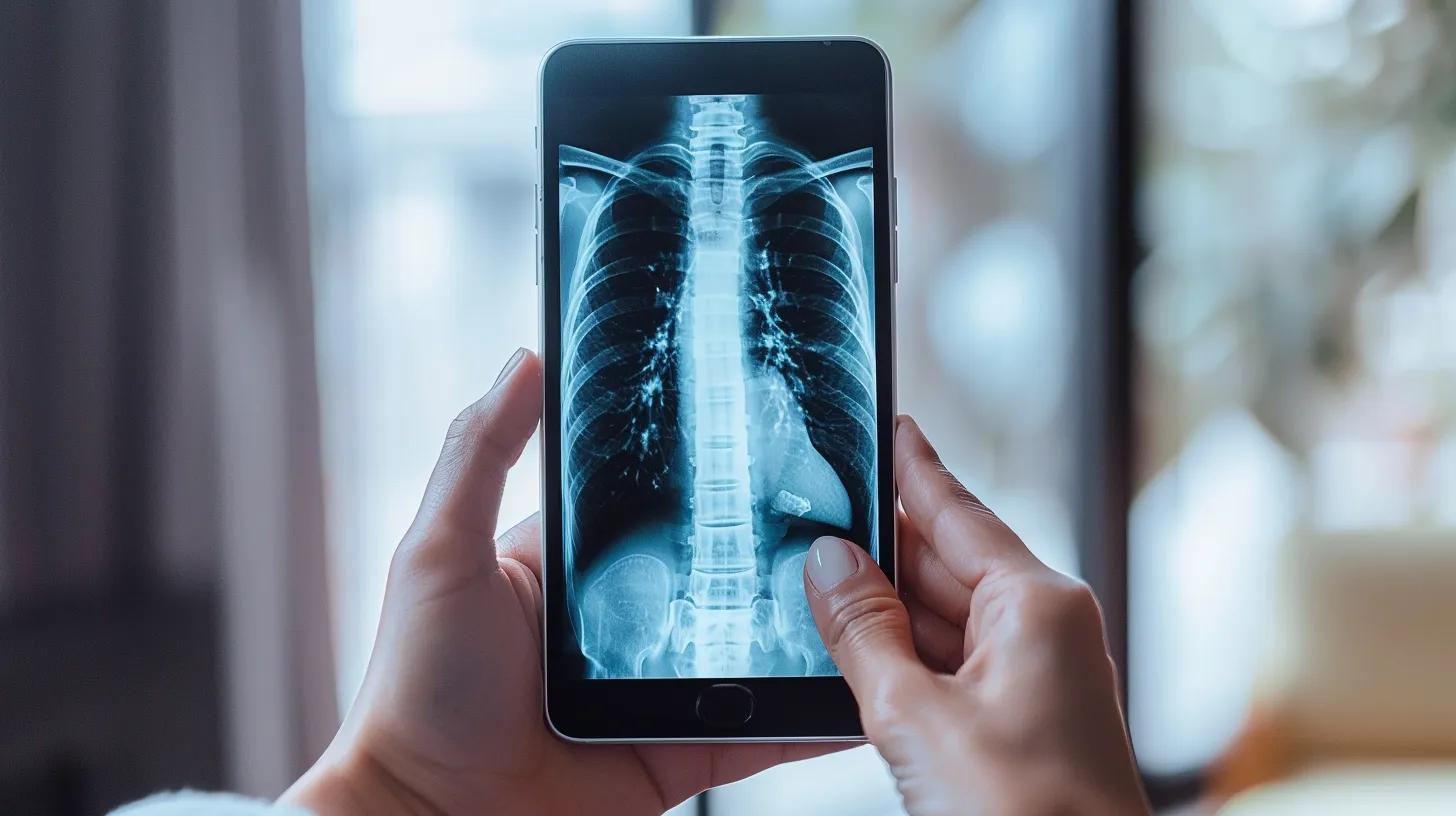
This article explains how portable X-ray Phoenix options work, what medical conditions they can diagnose, and when at-home imaging is appropriate versus emergency care, so readers can make informed decisions about in-home diagnostic imaging.
Many people need imaging but face mobility, infection-risk, or scheduling barriers; mobile x-ray’s by Desert Mobile Medical | Concierge Physicians addresses those gaps by bringing diagnostic radiology to the patient.
You will learn the core benefits of at-home imaging, a step-by-step outline of the mobile x-ray process in Phoenix, a clear comparison of conditions suitable for in-home X-ray, and practical booking and pricing options including membership pathways that streamline care.
Throughout, the text integrates terms like portable digital x-ray Phoenix, x-ray technician at home Phoenix, and concierge medical imaging Arizona to help locate the right service and understand expectations for turnaround and professional oversight.
At-home X-ray services provide diagnostic imaging using portable digital radiography systems operated by licensed technologists, producing high-quality images transmitted to board-certified radiologists for interpretation. This mechanism reduces the need for travel, lowers exposure to infectious settings, and enables timely clinical decisions through digital image transmission and tele-radiology reads.
The specific patient value is threefold: convenience that removes logistical barriers, comfort and privacy that reduce stress and improve cooperation, and professional quality with timely reporting; often within 24–48 hours and with STAT options available from some providers.
Below are the primary benefits framed for quick comparison and action to help patients and caregivers evaluate in-home imaging.
Mobile X-ray is particularly useful when transporting a patient would cause undue risk or delay; the next section outlines concrete convenience scenarios where portable X-ray Phoenix services change the care pathway.
Lionizing the core benefits of at-home imaging is useful when deciding whether to request a visit from a mobile radiology team.
This section includes a short mention of concierge membership benefits: many providers offer membership or priority scheduling that reduces lead times and provides transparent pricing; ask a provider about membership options to prioritize recurring imaging needs and simplify booking.
Mobile X-ray eliminates transport and waiting-room time by bringing portable digital radiography to a patient’s location, allowing clinicians to obtain diagnostic images without ambulance or family transfers.
The mechanism of care relies on a licensed radiologic technologist setting up a compact DR unit and capturing standard views, which typically takes 15–30 minutes on-site depending on the exam type and patient mobility.
Patients and caregivers save hours that would otherwise be spent coordinating transport, waiting for imaging, and returning home, and clinical teams gain faster access to diagnostic information for triage and follow-up.
These time savings particularly benefit mobility-limited patients and facilities managing multiple residents, improving workflow and reducing fall or transfer risks.
- No transport required: Reduces transfer-related risk and caregiver burden.
- Flexible scheduling: Appointments can be arranged within same-day windows or scheduled in advance.
- On-site efficiency: Typical visits are brief and focused, minimizing disruption for patients and staff.
These convenience points lead naturally into how comfort and privacy are preserved when imaging occurs at home.
Receiving imaging in a familiar environment reduces anxiety, improves cooperation, and often yields better positioning for certain exams, because patients feel more at ease and technologists can adapt the setting to individual needs.
Portable digital x-ray systems are compact and quiet, enabling technicians to perform exams discreetly without the bustle of an imaging department, and one-on-one attention ensures dignity and privacy during the procedure.
For patients with cognitive impairment, sensory sensitivities, or pain, in-home imaging avoids disorienting transfers and allows caregivers to remain present, which improves the quality of the exam and subsequent diagnostic interpretation.
This patient-centered approach supports better clinical outcomes by combining technical quality with compassionate delivery.
Given these comfort advantages, it is important to understand which medical conditions are appropriate for mobile X-ray and where limitations exist, which the next section addresses.
Mobile X-ray addresses many common diagnostic needs by capturing radiographic images that reveal bone alignment, lung opacities, joint spaces, and some chronic changes; it is especially effective for extremity fractures, chest imaging for suspected pneumonia, and monitoring known musculoskeletal conditions.
The modality works because digital radiography detects differences in tissue density; bone, air, and soft tissue; allowing clinicians to identify fractures, dislocations, consolidated lung segments, and joint degeneration.
However, mobile X-ray cannot replace CT or MRI when high-resolution soft-tissue detail or complex fracture mapping is required; in those cases, escalation to an imaging center or emergency department is necessary.
Below is a quick comparison to help patients and clinicians decide when mobile X-ray is appropriate and when alternative imaging should be sought.
This table summarizes common conditions, radiographic findings, and indications for mobile X-ray use.
| Condition | What X-ray shows | When mobile X-ray is appropriate |
|---|---|---|
| Bone fracture / dislocation | Cortical disruption, displaced fragments, joint malalignment | When patient is stable but immobile or transport risky; initial diagnosis and splinting guidance |
| Pneumonia / chest consolidation | Focal airspace opacity, silhouette sign, pleural effusion | For suspected pneumonia in stable patients who cannot travel; urgent referral if respiratory distress |
| Arthritis / joint degeneration | Joint space narrowing, osteophytes, subchondral sclerosis | For monitoring chronic symptoms or acute flare-ups when transport is difficult |
| Hip/pelvis issues (limited) | Gross fractures or displaced fractures | If clinical concern is high for fracture, mobile X-ray can triage, but CT may be needed for complex cases |
Mobile extremity x-ray captures standard radiographic views, commonly AP (anteroposterior) and lateral projections, to visualize cortical integrity, joint alignment, and displacement, enabling rapid identification of most acute fractures and obvious dislocations.
The technologist positions the limb to obtain the necessary orthogonal views; additional weight-bearing or specialized views may be recommended when assessing joint stability or subtle fractures.
Mobile X-ray is effective for initial triage and management, including splinting and immobilization guidance, but complex fractures, open wounds, neurovascular compromise, or high clinical suspicion for occult injury warrant ED referral and advanced imaging.
Radiologist reports from digital transmission clarify findings and recommend follow-up imaging when needed.
These fracture-detection capabilities segue into how chest X-rays function for pulmonary concerns like pneumonia.
Chest X-ray is a first-line radiographic tool for detecting consolidation, pleural effusion, and cardiopulmonary lines that suggest pneumonia or other lung pathology, and mobile chest x-ray Phoenix brings this capability to patients who cannot visit imaging centers.
The mechanism relies on detecting increased soft-tissue density in lung fields; however, early or atypical pneumonia may be radiographically occult, and chest X-ray sensitivity varies with disease stage and patient factors.
When severe respiratory distress, hypoxia, or systemic instability is present, mobile imaging should not delay emergency care; instead, mobile X-ray is best for stable patients requiring diagnostic confirmation and coordination with primary care.
Radiologist interpretation and communication with the referring clinician ensure appropriate next steps such as antibiotics, follow-up imaging, or escalation.
Understanding what mobile X-ray can and cannot show prepares patients to choose the right service and follow-up pathway.
The mobile X-ray workflow begins with scheduling and information gathering, proceeds to an on-site examination by a licensed radiologic technologist using portable digital radiography, and concludes with digital transmission of images to a board-certified radiologist for interpretation and reporting back to the referring clinician.
Portable digital radiography equipment captures high-resolution images that are immediately reviewed for technical adequacy, then sent via secure tele-radiology systems to radiologists who typically deliver final reads within 24–48 hours, with STAT options sometimes available for urgent cases.
This stepwise process preserves image quality while shortening the time from exam to actionable report, and clear communication channels ensure results reach patients and primary physicians for care planning.
Below is a compact operational table outlining the core steps, responsible professionals, and typical timing for outcomes.
| Step | Who is involved | Typical time / outcome |
|---|---|---|
| Scheduling & intake | Scheduling staff / clinician | Appointment window set; intake captures reason for exam and history; scheduling lead time varies |
| On-site imaging | Licensed radiologic technologist | Exam performed in 15–45 minutes depending on type; technologist ensures image quality |
| Image transmission | Technologist / tele-radiology system | Images transmitted securely to a radiologist immediately after acquisition |
| Interpretation & reporting | Board-certified radiologist | Final read typically within 24–48 hours; STAT reads may be faster if clinically indicated |
| Results delivery | Radiologist → Referring clinician | Report communicated to ordering clinician for follow-up and care plan |
Scheduling typically starts with a referral or patient request that includes the clinical reason, relevant history, and location details so the provider can assign the appropriate technologist and equipment for the exam.
Before arrival, patients receive preparation instructions, such as removing obstructive clothing or jewelry, and caregivers are advised on mobility support; technicians also confirm that the space allows safe equipment setup.
On-site, the visit includes positioning, acquisition of necessary views, and immediate technical checks; the total on-site time usually ranges from 15 to 45 minutes depending on the exam scope.
After imaging, digital transmission initiates the interpretation process and the referring clinician receives the report to manage next steps.
These scheduling mechanics lead into the professionals involved and how images are interpreted to produce timely diagnostic guidance.
Mobile X-rays are performed by licensed radiologic technologists trained in portable digital radiography who follow uniform standards for image acquisition and radiation safety to ensure diagnostic-quality studies.
Images are transmitted through secure tele-radiology systems to board-certified radiologists who provide formal reads, often within 24–48 hours; STAT reads are available in some scenarios to expedite urgent clinical decisions.
Patients should expect clear identification of the technologist’s role on-site and a radiology report that includes findings, impression, and recommendations for follow-up imaging or specialist referral when indicated.
This professional workflow maintains the same quality and accountability as fixed-site radiology while offering the convenience of in-home service.
Having outlined process and professionals, next is who benefits most from concierge mobile x-ray offerings.
Concierge mobile X-ray services are designed for patients and organizations that value minimized travel, reduced exposure risk, and streamlined coordination with clinical teams; key beneficiaries include seniors, homebound patients, assisted living facilities, and busy professionals requiring rapid, private imaging.
The value mechanism lies in reducing logistical and clinical friction: seniors avoid risky transfers, facilities reduce unnecessary hospital transports, and professionals save time without sacrificing diagnostic quality.
Concierge approaches often include prioritized scheduling, coordination with primary care clinicians, and membership structures that make recurrent imaging predictable and simpler to manage.
The following list outlines primary target audiences and the specific benefits each group realizes from portable imaging services.
- Seniors and homebound patients: Reduced fall and transfer risk while maintaining access to diagnostic imaging.
- Assisted living and nursing facilities: On-site imaging decreases hospital transfers and streamlines resident care.
- Busy professionals and travelers: Time-saving, private appointments that fit work schedules.
- Family caregivers: Simplified coordination and clearer timelines for diagnoses and follow-up.
These audience segments illustrate where mobile X-ray delivers the most impact and why membership models are often attractive.
Seniors and homebound individuals commonly face mobility limitations, fall risk during transfers, and multiple chronic conditions that require periodic imaging; mobile X-ray reduces these risks by delivering diagnostic capability to their living environment.
In-home imaging preserves continuity of care for chronic disease monitoring, such as follow-up for known fractures or progressive joint disease, without exposing vulnerable patients to crowded clinical spaces.
Technologists adapt positioning and exam techniques to individual needs, improving comfort and often obtaining more diagnostically useful images than a stressful transfer might allow.
Families and clinical teams benefit from timely reports that support care plans, medication adjustments, or referrals without the added hazard of transport.
This rationale transitions into how professionals and facilities use mobile X-ray to streamline care coordination.
Busy professionals and institutional settings leverage scheduling flexibility, same-day windows, and coordinated onsite workflows to obtain necessary imaging without disrupting work or facility operations, improving adherence to diagnostic recommendations.
Assisted living and nursing facilities often contract with mobile imaging providers for regular on-site service windows, which reduces emergency transports and supports internal clinical management of residents.
For professionals, discreet appointment windows and rapid reporting enable faster clinical decisions that minimize work interruptions and accelerate treatment starts.
Coordination with primary care clinicians and facility staff ensures that imaging findings are integrated into ongoing care plans efficiently.
Mobile X-ray coverage typically focuses on core metropolitan neighborhoods and surrounding cities where technologist travel time allows timely scheduling and same-day or next-day visits; common metro areas served include central Phoenix and nearby suburbs where demand and logistics align.
Service availability is influenced by distance, traffic patterns, and resource allocation, meaning some outer ZIP codes may require longer lead times or additional travel fees.
Providers frequently recommend an interactive service-area map and ZIP-code lookup tool to check exact availability; where that is not available, early booking is advised to secure preferred appointment windows.
Below are typical guidance points for patients checking whether mobile imaging is practical in their location.
Primary service areas usually include central Phoenix and adjacent municipalities within the metropolitan footprint where technologists can reasonably travel and return between appointments, enabling efficient routing and predictable appointment windows.
Providers often prioritize nearby neighborhoods for same-day or STAT visits while offering next-day scheduling for slightly more distant ZIP codes; patients should verify coverage for their exact address.
For assisted living and facility partners, providers commonly establish recurring visits to cover multiple residents with minimal travel overhead.
Patients and caregivers are advised to confirm availability early, particularly for weekend or after-hours needs.
Distance from provider hubs directly affects same-day availability and appointment windows because longer travel times reduce the number of daily visits a technologist can complete, and peak traffic periods in Phoenix may further constrain scheduling.
Providers balance route efficiency and clinical urgency, offering STAT or prioritized slots for urgent cases within a limited radius while recommending early booking for remote areas to ensure access.
When planning imaging for chronic conditions or facility-wide needs, arranging recurring visits optimizes coverage and reduces per-visit scheduling friction.
Understanding these operational constraints helps patients and coordinators choose appropriate booking windows and anticipate potential travel fees or lead times.
Booking methods typically include phone and online request forms where patients or clinicians supply the reason for the exam, location, and relevant clinical details to enable appropriate scheduling and equipment assignment.
Payment and billing are commonly via cash-pay or transparent one-time pricing for any x-rays.
Mobile X-ray services are particularly beneficial for seniors, homebound patients, and individuals with mobility challenges.
These patients often face difficulties in traveling to imaging centers due to health conditions or physical limitations.
By providing diagnostic imaging at home, mobile X-ray services reduce the risk of falls during transport and minimize exposure to crowded medical facilities.
Additionally, busy professionals and caregivers can also benefit from the convenience and time-saving aspects of mobile imaging, allowing for quicker diagnosis and treatment without disrupting their schedules.
Mobile X-ray services maintain high standards of image quality and patient safety through the use of licensed radiologic technologists who are trained in portable digital radiography.
These professionals follow strict protocols for image acquisition and radiation safety.
The portable equipment used is designed to capture high-resolution images, which are then transmitted securely to board-certified radiologists for interpretation.
This process ensures that patients receive accurate diagnostic information while minimizing exposure to radiation, as the technologists are skilled in optimizing imaging techniques for each individual case.
While mobile X-ray services are designed for convenience and accessibility, they are not a substitute for emergency care.
In cases of severe trauma, respiratory distress, or other critical conditions, patients should seek immediate care at an emergency department.
Mobile X-ray is best suited for stable patients who require diagnostic imaging but cannot travel due to mobility issues or other barriers.
It is important for patients and caregivers to assess the urgency of the situation and determine whether mobile imaging is appropriate or if emergency services are needed.
During a mobile X-ray appointment, patients can expect a streamlined process that typically lasts between 15 to 45 minutes.
A licensed radiologic technologist will arrive at the scheduled time, set up the portable equipment, and guide the patient through the imaging process.
Patients may need to follow specific preparation instructions, such as removing obstructive clothing.
The technologist will position the patient to capture the necessary views, ensuring comfort and privacy throughout the procedure.
After the images are taken, they are transmitted for interpretation, with results usually available within 24 to 48 hours.
Yes, while mobile X-ray services can effectively diagnose a range of conditions, there are limitations.
Mobile X-rays are particularly useful for detecting bone fractures, joint issues, and certain lung conditions like pneumonia.
However, they cannot replace more advanced imaging techniques such as CT or MRI, which are necessary for detailed soft-tissue evaluation or complex fractures.
Patients should consult with their healthcare provider to determine if mobile X-ray is appropriate for their specific diagnostic needs or if alternative imaging methods are required.
Mobile X-ray services in Phoenix provide unparalleled convenience, comfort, and timely access to diagnostic imaging for patients who face mobility challenges or prefer in-home care.
By eliminating the need for travel and reducing exposure to crowded medical facilities, these services enhance patient experience while ensuring high-quality imaging results.
Whether for seniors, busy professionals, or assisted living facilities, mobile X-ray meets diverse needs with flexible scheduling and professional oversight.
Discover how our mobile imaging solutions can simplify your healthcare journey today.